

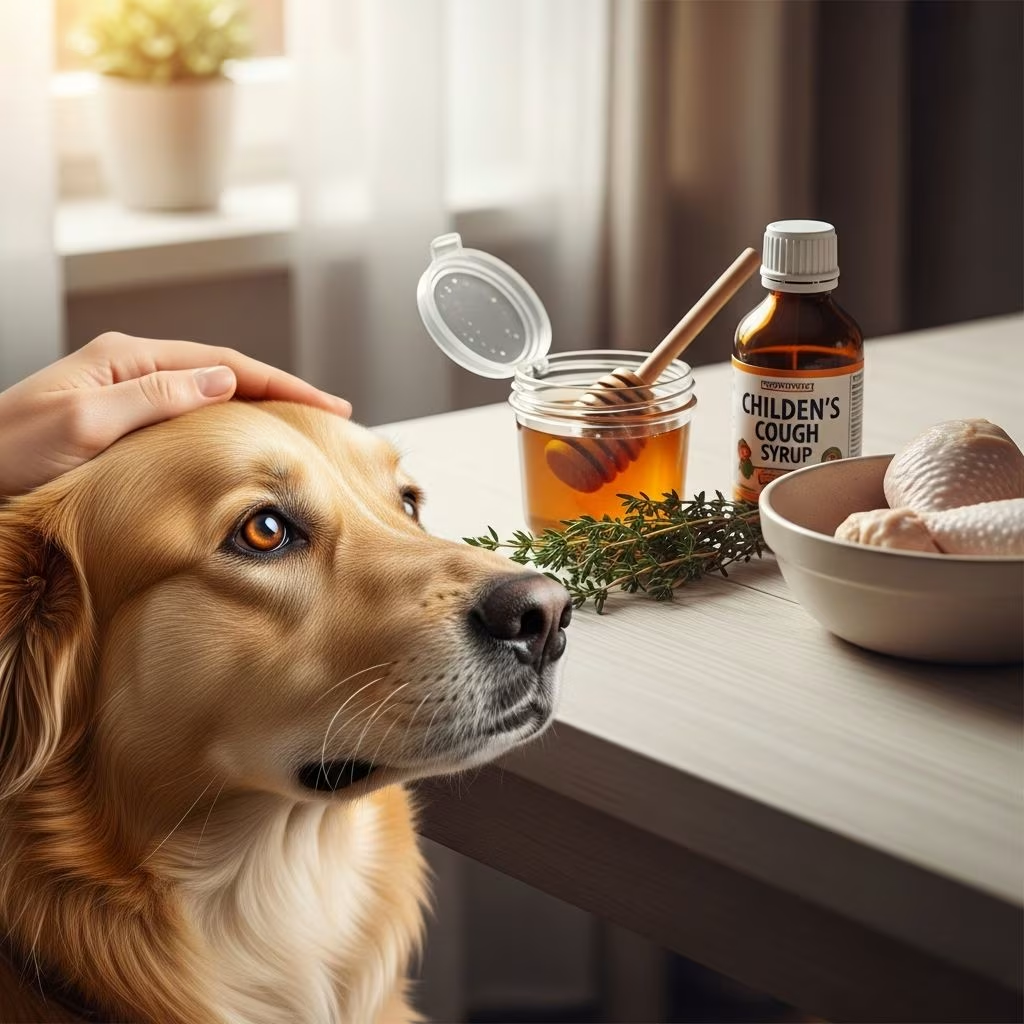
Kennel cough, also known as canine infectious respiratory disease (CIRD), is a highly contagious upper respiratory infection in dogs that causes a persistent, dry hacking cough. While most cases resolve on their own within 10-14 days with supportive care, combining home remedies with veterinary guidance can speed recovery and improve comfort. This guide outlines practical strategies, from environmental adjustments to natural supplements, to help your dog breathe easier.
Understanding Kennel Cough: Causes and Symptoms
Kennel cough typically results from Bordetella bronchiseptica bacteria, alongside viruses like canine parainfluenza or adenovirus. It spreads rapidly in places like boarding kennels, dog parks, or grooming facilities through airborne droplets or contaminated surfaces. Common symptoms include a honking cough that sounds like a goose, sneezing, nasal discharge, and mild lethargy. Puppies, seniors, and dogs with weakened immunity face higher risks of complications like pneumonia.
Early detection is crucial. Monitor for worsening signs such as labored breathing, fever, or refusal to eat, which demand immediate veterinary attention. Unlike a simple cold, untreated severe cases can lead to secondary bacterial infections.
Creating a Supportive Home Environment
The foundation of kennel cough management is a stress-free, irritant-free space that promotes airway moisture and rest.
- Humidify the Air: Dry air exacerbates coughing by irritating airways. Use a cool-mist humidifier or steam from a hot shower—let your dog sit in the bathroom for 10-15 minutes, 2-3 times daily. This loosens mucus and soothes inflamed tissues.
- Switch to a Harness: Collars pressure the throat, triggering coughs. Opt for a harness during leashed walks to minimize irritation.
- Ensure Ventilation and Calm: Provide fresh air without drafts, avoid smoke, perfumes, or cleaners. Limit exercise until symptoms fade, typically 2 weeks, and isolate from other dogs.
- Monitor Hydration and Nutrition: Offer plenty of fresh water and palatable food. Tempt finicky eaters with warmed meals or probiotics like FortiFlora to support gut health and immunity.
Natural Soothing Agents for Cough Relief
Nature offers gentle ways to coat and calm your dog’s throat without harsh chemicals.
Honey as a Throat Coat
Raw, unpasteurized honey acts as a natural demulcent, coating the irritated larynx and reducing cough frequency. Administer 1/2 to 1 teaspoon daily, mixed into food or given directly, based on dog size (adjust down for small breeds). Its antimicrobial properties may also combat secondary infections. Avoid in puppies under 1 year due to botulism risk.
Ginger for Immune Support
Fresh ginger root provides antiviral, anti-inflammatory, and antibacterial benefits. Mince 1/4 tsp for small dogs, up to 3/4 tsp for large ones, and mix into meals. It stimulates circulation and eases nausea if present.
| Remedy | Small Dogs (<20 lbs) | Medium (20-50 lbs) | Large (>50 lbs) |
|---|---|---|---|
| Honey | 1/2 tsp daily | 1 tsp daily | 1-2 tsp daily |
| Ginger (minced) | 1/4 tsp | 1/2 tsp | 3/4 tsp |
| Herbal Tea | 1/4 cup/meal | 1/2 cup/meal | 3/4-1 cup/meal |
Herbal Teas and Infusions for Recovery
Herbal remedies bolster the immune system and fight infection naturally. Brew teas using 1 tablespoon of dried herb per cup of boiling water, steep 10 minutes, cool, and refrigerate. Mix into meals per size guidelines.
- Licorice Root: Anti-inflammatory; soothes throat lining and reduces spasms.
- Thyme: Antibiotic and antiviral; clears respiratory passages.
- Echinacea and Rose Hips: Immune boosters rich in vitamin C; combine 4 tbsp each with chamomile and ginger for a potent tea.
These infusions provide sustained support over 7-10 days, complementing rest.
Essential Oils: Safe Application Methods
Pet-safe essential oils offer respiratory and calming benefits when diluted properly.
Topical Blends
Dilute 1 drop each of lavender, frankincense, and respiratory-support blends (like eucalyptus-free options) in 2 tsp carrier oil (coconut/olive). Rub on neck, chest, and head 2-4 times daily, avoiding eyes. This reduces inflammation topically.
Aromatic Diffusion
Diffuse protective and respiratory oils (e.g., blends with lemon, cinnamon alternatives) in sleeping areas for hours daily. It purifies air and promotes relaxation without direct ingestion risks.
Always use high-quality, pet-grade oils and consult a vet for sensitive dogs.
Veterinary Interventions: When Home Care Isn’t Enough
While 80% of cases self-resolve, vets intervene for complications.
- Cough Suppressants: Hydrocodone or butorphanol for rest-disrupting coughs.
- Antibiotics: Doxycycline targets Bordetella or secondary bacteria, especially with green discharge or lethargy.
- Anti-inflammatories: Reduce airway swelling.
- Hospitalization: For pneumonia—oxygen, nebulization, IV fluids.
Seek care if symptoms persist beyond 7 days or worsen.
Prevention Strategies to Avoid Future Outbreaks
Prevention beats treatment. Key steps include:
- Vaccination: Bordetella vaccine (intranasal/injectable) offers partial protection, required for boarding. Boost every 6-12 months.
- Hygiene Protocols: Quarantine new dogs, disinfect environments.
- Immune Health: Probiotics, balanced diet, stress reduction.
Frequently Asked Questions (FAQs)
Can kennel cough kill dogs?
Rarely in healthy adults, but high-risk dogs may develop fatal pneumonia. Prompt care is key.
How long does kennel cough last?
Typically 10-14 days; full recovery in 3 weeks with care.
Is kennel cough contagious to humans?
No, it’s canine-specific.
Should I walk my dog with kennel cough?
Limit to short, leashed potty breaks; rest is essential.
Do antibiotics cure kennel cough?
They treat bacterial components, not viruses; supportive care is primary.
Holistic Recovery Timeline
Days 1-3: Isolate, humidify, honey starts.
Days 4-7: Add herbs/oils, monitor.
Days 8-14: Taper remedies, vet check if needed.
Track progress daily for peace of mind.
References
- Kennel Cough Home Treatment for Dogs — Franklin TN Vet (Marc Smith DVM). 2023. https://franklintnvet.com/kennel-cough-home-treatment-for-dogs/
- Kennel Cough in Dogs: Prevention and Treatment — Pets-Doctor.com. 2024. https://pets-doctor.com/kennel-cough-in-dogs-prevention-and-treatment/
- Kennel Cough in Dogs: Symptoms, Causes, and Treatment — PetMD. 2025-02-10. https://www.petmd.com/dog/conditions/respiratory/kennel-cough-dogs-what-are-symptoms-and-how-kennel-cough-treated
- Kennel Cough in Dogs: Symptoms, Treatments, Vaccine — Best Friends Animal Society. 2024. https://bestfriends.org/pet-care-resources/kennel-cough-dogs-symptoms-treatments-vaccine
- Kennel Cough Treatment — Dogs Naturally Magazine. 2023. https://www.dogsnaturallymagazine.com/kennel-cough-treatment/
- Kennel Cough in Dogs: Causes, Symptoms & Treatment — Shoreland Animal Hospital. 2022-10-15. https://www.shorelandanimalhospital.com/site/blog/2022/10/15/kennel-cough-dogs
- Canine infectious respiratory disease complex (Kennel cough) — AVMA. 2025. https://www.avma.org/resources-tools/pet-owners/petcare/canine-infectious-respiratory-disease-complex-kennel-cough



