Effective Dog Training Strategies
Unlock proven methods to build a well-behaved companion through science-backed, humane techniques that prioritize rewards and understanding.
Training your dog transforms a simple pet into a reliable partner. Modern methods emphasize rewards over punishment, drawing from animal behavior science to foster cooperation and trust. This guide outlines key techniques, their applications, and practical steps to implement them successfully.
Understanding Modern Training Foundations
Dog training has evolved from dominance-based tactics to evidence-driven practices. Core principles include operant conditioning, where behaviors followed by rewards increase in frequency, and classical conditioning, pairing stimuli with positive outcomes. These approaches, supported by veterinary and behavioral research, ensure humane results.
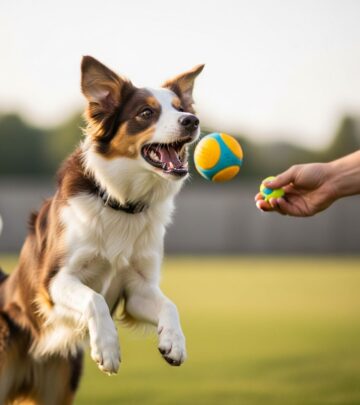
Positive reinforcement stands as the cornerstone, rewarding desired actions to encourage repetition. Vets widely endorse it for its effectiveness in building habits without stress. Consistency, short sessions, and patience amplify success, as dogs learn best through repetition and enjoyment.
Positive Reinforcement: The Reward-Driven Approach
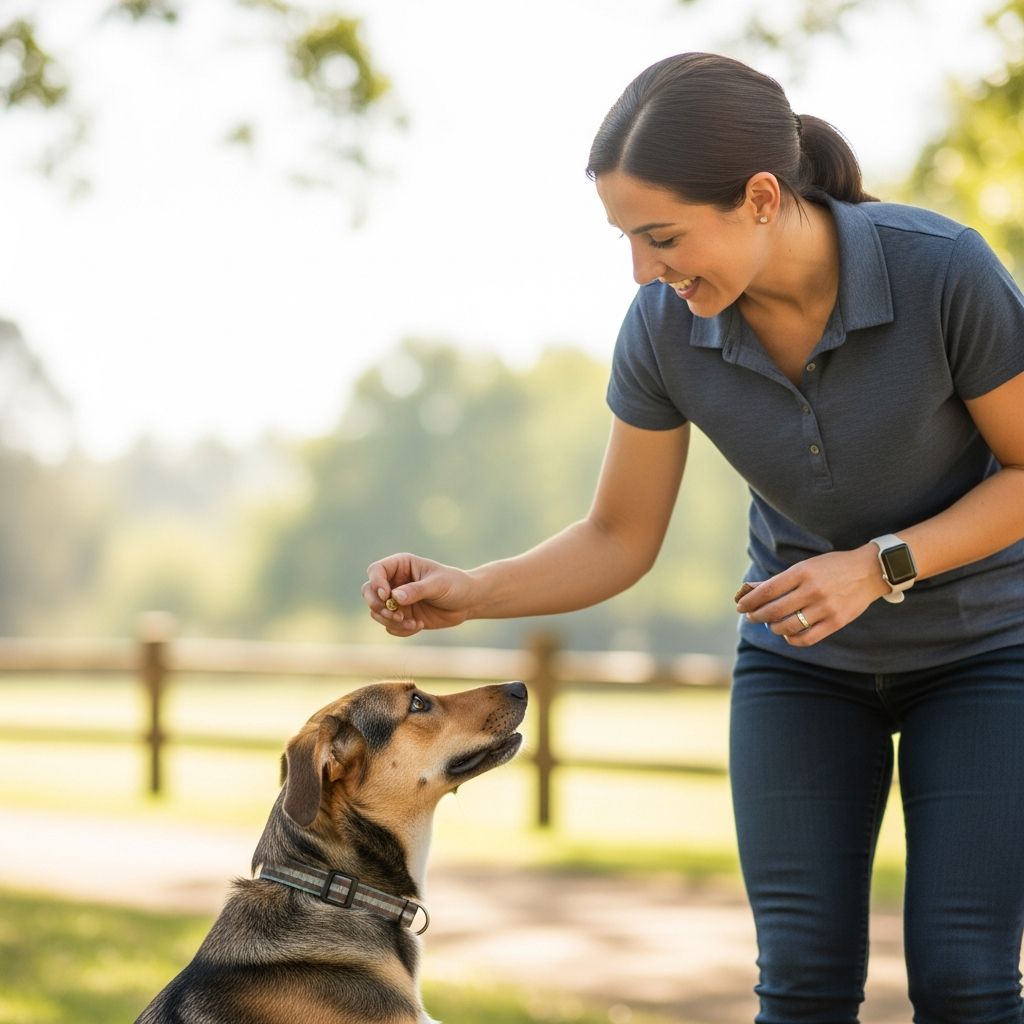
This method uses treats, toys, or praise to mark correct behaviors, making learning enjoyable. Dogs associate commands like ”sit” or ”stay” with positive outcomes, naturally repeating them.
- Key Benefits: Builds confidence, reduces fear, and strengthens owner-dog bonds.
- Implementation Tips: Identify high-value rewards tailored to your dog’s preferences, such as soft treats for food-motivated pups or play for energetic ones.
Start in low-distraction environments, gradually increasing challenges. Sessions should last 5-10 minutes to match short attention spans.
Clicker Training: Precision Marking for Quick Learning
A clicker produces a distinct sound signaling perfect timing for rewards. This bridges the gap between action and reinforcement, accelerating skill acquisition.
Charge the clicker first by pairing clicks with treats repeatedly. Then, use it for behaviors like ”down”: click the instant the dog complies, followed by a treat. It’s ideal for precise commands and trick training.
| Method | Pros | Cons | Best For |
|---|---|---|---|
| Clicker Training | Exact timing; fast results | Requires practice to master | Precision behaviors |
| Luring | Simple for beginners | Can create treat dependency | Basic positions |
Shaping and Capturing: Building Complex Behaviors
Shaping rewards incremental steps toward a goal, like teaching ”roll over” by first rewarding lying down, then partial rolls. Capturing waits for spontaneous behaviors, marking them to encourage recurrence.
These techniques suit advanced skills, promoting problem-solving in dogs. They fit within positive frameworks, adaptable to individual temperaments.
- Shaping Steps: Break behavior into tiny approximations; reward progress generously.
- Capturing Example: Praise a natural ”sit” during greetings to reinforce it.
Science-Based Training: Rooted in Research
Trainers leverage ethology, psychology, and behavior analysis for customized plans. Learning theories like operant and classical conditioning form the backbone, avoiding outdated punishment methods.
This approach addresses root causes of issues like anxiety, using data from animal welfare studies. It’s ethical and effective for diverse breeds.
Relationship-Based Methods: Emotional Connection First
Recognizing dogs’ emotional depth—comparable to a young child’s—focuses on bonding. Training respects signals like stress yawns, adjusting sessions for comfort.
Introduce skills in familiar settings, progressing with mastery. Consistent, gentle feedback paired with fun keeps engagement high. Pros include natural motivation and long-term compliance.
Model-Rival Technique: Leveraging Social Instincts
Dogs learn by observing peers, mimicking actions for intrinsic rewards. Hold your dog while another demonstrates retrieving, associating cues with success.
Effective for working breeds in search or herding, it taps pack dynamics without treats, building excitement-driven focus.
Luring and Reward Techniques for Beginners
Luring guides dogs with a treat’s motion into positions, phasing out the lure over time. It’s accessible for novices teaching basics.
Combine with rewards for reliability. Factors like environment and dog’s history influence choice—luring shines in structured settings.
Practical Tips for Training Success
Success hinges on fundamentals:
- Start Early: Puppies absorb quickly; adults benefit from habit resets.
- Short, Frequent Sessions: 5-15 minutes multiple times daily prevents burnout.
- Consistency Across Household: Uniform cues and rules solidify learning.
- High-Value Rewards: Test treats for motivation levels.
- Patience and Fun: Incorporate play breaks; end on positives.
Build gradually: Master basics before distractions. Track progress to stay motivated.
Choosing the Right Method for Your Dog
No single approach fits all. Assess your dog’s age, breed, and issues:
| Dog Profile | Recommended Methods |
|---|---|
| Puppy | Luring, Clicker, Positive Reinforcement |
| High-Energy Adult | Shaping, Model-Rival |
| Anxious Dog | Capturing, Relationship-Based |
| Working Breed | Science-Based, Model-Rival |
LIMA protocol guides balanced choices: Start least intrusive, escalate only if needed.
Finding a Qualified Trainer
Seek relationship-focused pros offering in-home sessions, flexible tools, and client references. Verify credentials via social proof and methodology transparency. Avoid extremes; prioritize evidence-based practitioners.
Common Challenges and Solutions
Plateaus occur—vary rewards or environments. Regression? Revert to basics with consistency. Aggression or fear warrants professional input using conditioning to rewire responses.
FAQs
What is the most effective dog training method?
Positive reinforcement tops lists for its science-backed efficacy and welfare benefits.
How long do training sessions last?
Keep them 5-15 minutes to maintain focus and fun.
Can older dogs learn new tricks?
Yes, with patience and adapted methods focusing on rewards.
Is clicker training suitable for all dogs?
Most, but desensitize sound-sensitive pups first.
What if my dog ignores commands?
Increase reward value, reduce distractions, and ensure consistency.
Advanced Applications: From Basics to Mastery
Once fundamentals click, advance to agility, scent work, or recall in parks. Shaping excels here, rewarding micro-progress toward complex chains.
Integrate methods: Use clicker for marking during model-rival sessions. Track via journals to refine approaches.
For reactivity, classical conditioning pairs triggers with rewards, easing anxieties humanely.
Long-Term Maintenance
Training is lifelong. Randomize rewards to prevent dependency; practice in real-world scenarios. Annual refreshers keep skills sharp.
Monitor welfare: Stressed dogs regress—prioritize play and rest.
References
- Common Dog Training Methods and Their Pros and Cons — Astro Loyalty. 2023. https://www.astroloyalty.com/common-dog-training-methods-and-their-pros-and-cons/
- Training Methods | Positively.com — Positively.com. N/A. https://positively.com/dog-training/article/foundations-training-methods
- Top 10 Dog Training Tips — Small Door Veterinary. 2023. https://www.smalldoorvet.com/learning-center/behavior/top-10-dog-training-tips
- Dog Training Methods and Beliefs — DeMarinis Dog Training. N/A. https://www.demarinisdogtraining.com/blog/dog-training-methods-and-beliefs-what-are-the-differences
- 5 Tips for Successful Dog Training — Virginia Tech Vet Med. 2023-01-01. https://vetmed.vt.edu/news/2023/dog-training-tips.html
- Which Dog Training Method is the Best? — Pack Leader Help. N/A. https://www.packleaderhelp.com/post/which-dog-training-method-is-the-best
Similar Articles








Read full bio of medha deb