

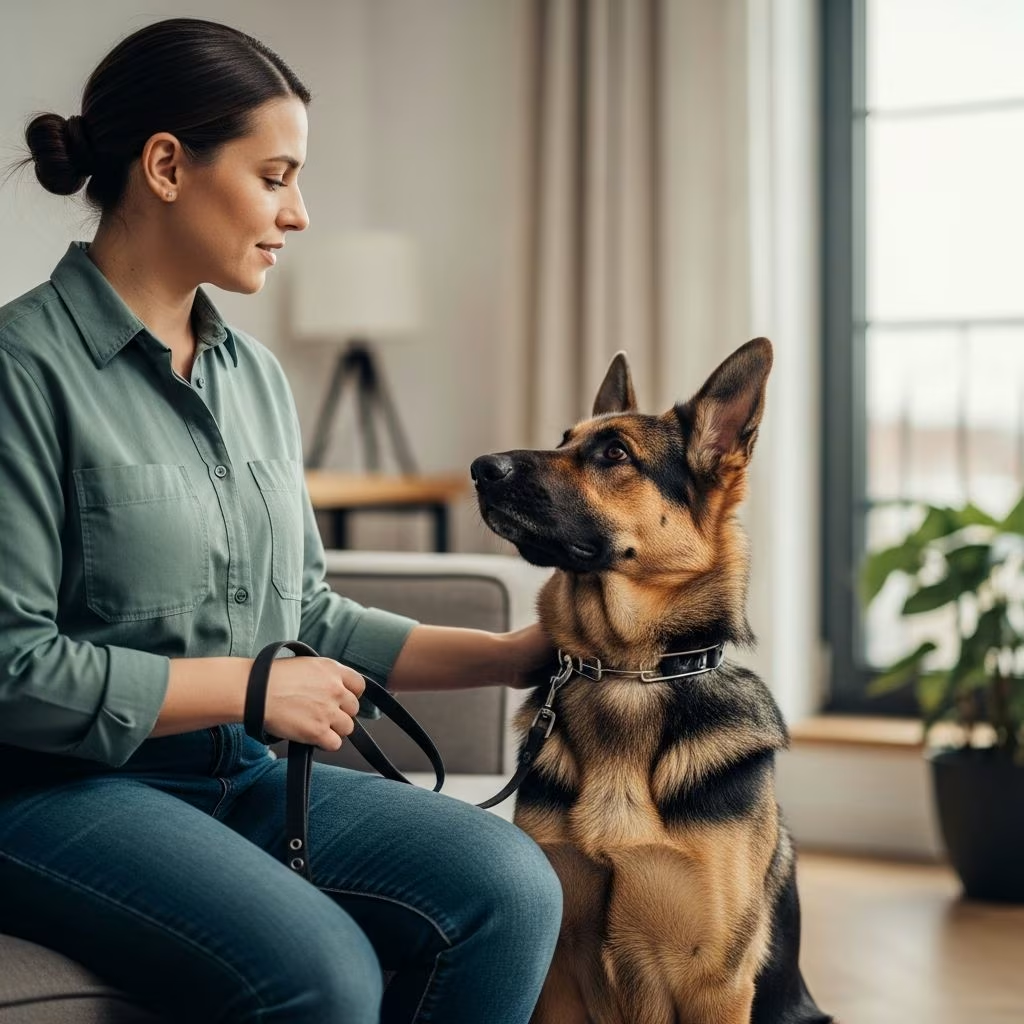
Dogs thrive in environments where clear communication and positive guidance replace punishment. Proper discipline focuses on teaching desired behaviors through rewards, redirection, and environmental management, ensuring a happy, well-adjusted pet.
Understanding Canine Behavior Basics
Dogs do not inherently view actions as good or bad; they respond to consequences that meet their needs, such as attention or stimulation. Identifying the root cause—boredom, anxiety, or seeking rewards—allows owners to address issues proactively.
Common triggers include unmet exercise needs, lack of mental stimulation, or inconsistent household rules. Observing patterns helps tailor responses, preventing escalation of unwanted habits.
Core Principles of Positive Discipline
Positive reinforcement strengthens bonds by rewarding good choices immediately with treats, praise, or play. Consistency across family members ensures dogs understand expectations, reducing confusion.
- Reward promptly: Use high-value treats right after correct behavior to create strong associations.
- Ignore minor infractions: Withholding attention extinguishes attention-seeking actions without confrontation.
- Maintain routines: Predictable schedules for meals, walks, and play build security and compliance.
Management tools like gates, leashes, or crates prevent rehearsal of poor behaviors while training progresses.
Techniques for Common Behavioral Challenges
Managing Excessive Barking
Barking often signals alerts, frustration, or fear. Interrupt preemptively with a neutral sound like a whistle or clap, then redirect to a quiet activity such as a puzzle toy. Reward silence to reinforce calm.
For anxiety-driven barking, gradually desensitize triggers through counter-conditioning, pairing scary stimuli with treats from a distance.
Stopping Destructive Chewing
Puppies explore with mouths, but adults chew from stress or boredom. Provide durable alternatives like stuffed Kongs filled with peanut butter. Upon catching chewing, calmly remove the item and offer the toy, praising engagement.
Bitter sprays deter surfaces, but prevention via supervision and toys is key.
Preventing Mouthing and Biting
Puppy nipping fades with age if redirected to chew toys. For adults, yelp sharply to mimic littermate feedback, then withdraw attention briefly. Serious aggression requires professional intervention.
Curming Jumping Up Greetings
Jumping seeks attention or access. Turn away, step back, and cue an alternative like ‘down-stay.’ Reward with pets only when paws stay grounded, teaching polite interactions.
Avoid ‘sit’ cues, as they position dogs to leap; ‘down’ promotes stability.
Controlling Roughhousing and Overexcitement
Play escalates with signs like stiffening or growling. Use a ‘break’ command, tossing treats on the floor to refocus sniffing, which calms arousal. Resume only when relaxed.
Environmental and Lifestyle Adjustments
Daily exercise burns energy, improving focus. Aim for 30-60 minutes of walks or fetch, incorporating training cues.
Mental games like scent work or obedience drills tire dogs cognitively, rivaling physical activity.
| Challenge | Management Strategy | Expected Outcome |
|---|---|---|
| Barking | Preemptive interrupt + toy redirect | Reduced vocalization |
| Chewing | Provide chew alternatives + supervise | Protected belongings |
| Jumping | Turn away + ‘down’ cue | Calm greetings |
| Overstimulation | ‘Break’ cue + ground treats | Controlled play |
Appropriate Use of Time-Outs
Short isolations (1-3 minutes) in a crate or separate room interrupt persistent issues without fear. Release only upon calm behavior, avoiding association with punishment.
Crate as sanctuary: Positive introductions via meals inside build comfort.
Techniques to Avoid for Humane Training
Punitive methods damage trust and worsen issues. Physical corrections like hitting teach fear, not understanding.
- Shock collars: Cause pain, burns, and aggression; banned in some areas.
- Alpha rolls or hangs: Force submission, risking injury and phobia.
- Leash jerks or yells: Heighten anxiety without clarity.
- Rubbing noses in messes: Ineffective and confusing for house training.
Focus on force-free approaches backed by science for sustainable results.
Building Long-Term Success
Patience yields results; track progress weekly. Enroll in classes for socialization and expert tips. Professional trainers help with stubborn cases.
Strong leadership emerges from consistency, not dominance, creating confident companions.
Frequently Asked Questions
How long does it take to see behavior changes?
Typically 2-4 weeks with daily practice, varying by dog age and consistency.
Can positive methods work for aggressive dogs?
Yes, but consult certified trainers for safety-assessed protocols.
What’s the best age to start training?
Puppies from 8 weeks; adults benefit anytime with tailored approaches.
Should all family members follow the same rules?
Absolutely—mixed signals confuse dogs.
Is crating cruel?
No, when voluntary and positive; it’s a safe retreat.
References
- How to Redirect Undesired Dog Behavior Without Punishment — Rover.com. 2023. https://www.rover.com/blog/how-to-discipline-dog/
- Paws-itive Training Techniques With Your Pup — Humane Society Pikes Peak Region. 2024. https://www.hsppr.org/paws-itive-training-techniques-with-your-pup/
- Why Punishment Fails in Dog Training: Positive Success Strategies — Absolute Dogs. 2024. https://absolute-dogs.com/blogs/gamechangers/why-punishment-fails-in-dog-training-positive-success-strategies-every-dog-needs
- Dog Training Tips | 9 Tips to Train Your Dog — Community Care College. 2023. https://communitycarecollege.edu/veterinary-assistant/dog-training/dog-training-tips/
- Humane Discipline | Positively.com — Positively.com (Victoria Stilwell). 2022. https://positively.com/dog-training/article/positive-training-humane-discipline
- Dog Training Tips: Do’s and Don’ts — Best Friends Animal Society. 2024. https://bestfriends.org/pet-care-resources/dog-training-tips-dos-and-donts



