

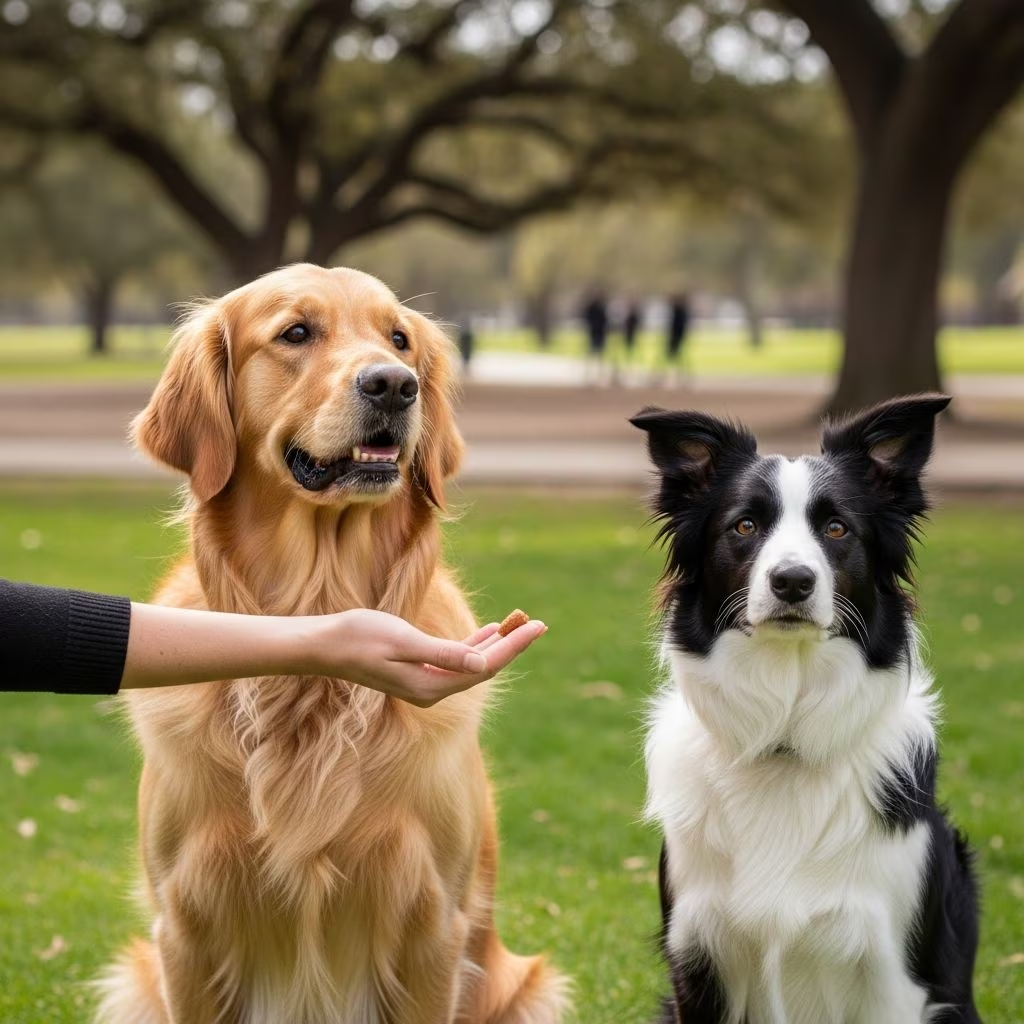
Transforming problematic dog behaviors requires a thoughtful, evidence-based approach that prioritizes the animal’s welfare and builds a stronger human-canine bond. This guide delves into practical methods grounded in behavioral science to address common issues like aggression, reactivity, and anxiety.
Understanding the Roots of Canine Misbehavior
Dogs exhibit unwanted behaviors for various reasons, often linked to fear, past experiences, or unmet needs. Aggression, for instance, frequently stems from fear responses or resource protection instincts. Leash reactivity arises when dogs feel threatened in social settings, while separation anxiety manifests as destructive actions when owners depart. Identifying triggers through observation is the first step; tools like video recordings help pinpoint patterns without bias.
Environmental factors play a significant role. Insufficient exercise or mental stimulation can lead to compulsive habits like excessive barking or chewing. A thorough behavioral assessment, considering history and temperament, informs tailored interventions.
Core Principles of Behavior Modification
Modern dog training relies on principles from operant and classical conditioning. Positive reinforcement adds desirable stimuli to encourage repeat behaviors, such as treats for calm responses. Operant conditioning’s four quadrants guide this: adding rewards increases good actions, while removing reinforcers diminishes undesired ones.
- Classical Conditioning: Pairs neutral stimuli with positive outcomes to shift emotional reactions.
- Operant Conditioning: Uses consequences to shape voluntary behaviors.
- Habituation: Repeated, non-threatening exposure reduces overreactions.
These methods outperform punishment, which risks increasing fear and confusion. Consistency across household members ensures predictable outcomes.
Step-by-Step Training Protocols
A structured plan begins with evaluation. Define specific, measurable goals like reducing barking duration by 50% over weeks.
- Assess and Plan: Log incidents, noting triggers and contexts.
- Environmental Adjustments: Remove access to problem areas, like securing counters against jumping.
- Implement Techniques: Introduce low-level exposures with rewards.
- Monitor Progress: Track via journals or apps for data-driven tweaks.
For leash reactivity, start sessions in low-distraction zones, rewarding loose-leash walking. Gradually increase challenges as success builds.
Desensitization and Counterconditioning Essentials
Desensitization involves sub-threshold exposure to triggers, preventing aggressive outbursts. Begin with distant stimuli, like distant strangers for fear-aggressive dogs, pairing with high-value treats. Counterconditioning alters the emotional response, turning triggers into predictors of good things.
A sample protocol for resource guarding:
| Step | Action | Reward |
|---|---|---|
| 1. Distance | Approach bowl from 10 feet | Treat toss |
| 2. Proximity | Reach toward bowl slowly | High-value food |
| 3. Interaction | Touch and lift bowl briefly | Jackpot reward |
Sessions last 5-10 minutes daily; regress if tension appears. This builds tolerance safely.
Addressing Specific Behavioral Challenges
Fear and Aggression Management
Fear-based aggression demands gradual exposure. Use recordings of triggers at low volumes, increasing as relaxation occurs. Positive reinforcement reinforces non-aggressive choices near stimuli. Professional input accelerates progress for severe cases.
Anxiety and Compulsive Behaviors
Separation anxiety responds to alone-time practice with comforts like stuffed Kongs. For compulsions like tail-chasing, redirect to puzzle toys providing mental outlets.
Reactivity and Guarding
Leash protocols emphasize rewards for focus on handlers. Resource issues use trades: offer better items during guarding episodes.
Enhancing Training with Enrichment and Tools
Mental workouts via puzzles and scent games curb boredom-driven issues. Clicker training marks precise moments, speeding learning. Interactive toys channel energy positively.
Technology aids: apps log sessions, virtual simulations preview exposures. Daily routines foster security, reducing stress.
Maintaining Long-Term Success
Variable rewards solidify habits, mimicking natural variability. Family training ensures uniformity. Annual check-ins prevent regressions. Exercise and socialization sustain gains.
Frequently Asked Questions
How long do behavior changes take?
Weeks to months, depending on issue severity and consistency.
Is professional help necessary?
For aggression or deep fears, yes—vets or certified trainers provide safety.
Can puppies learn these techniques?
Early intervention prevents issues; adapt exposures to developmental stages.
What if my dog regresses?
Return to prior successful levels, reassess triggers.
Are treats always needed?
Phase to life rewards like play; variety prevents reliance.
References
- Behavior Modification in Dogs — Merck Veterinary Manual. 2023. https://www.merckvetmanual.com/dog-owners/behavior-of-dogs/behavior-modification-in-dogs
- Mastering Understanding Dog Aggression Training Techniques — The Collar Club Academy. 2024. https://www.thecollarclubacademy.com/blog/mastering-understanding-dog-aggression-training-techniques-fully
- Effective Dog Behavior Modification Techniques — Insight K9 Solutions. 2024. https://insightk9solutions.com/dog-behavior-modification/
- Mastering Dog Behavior Modification: A Step-by-Step Training Guide — World of Dog Training. 2024. https://worldofdogtraining.com/mastering-dog-behavior-modification-a-step-by-step-training-guide/
- Understanding Dog Behavior: A Comprehensive Guide — Ridgeside K9. 2024. https://ridgesidek9.com/understanding-dog-behavior-a-comprehensive-guide/
- The Ultimate Guide to Dog Training — Gentle Beast. 2024. https://www.gentlebeast.com/blog/the-ultimate-guide-to-dog-training



