

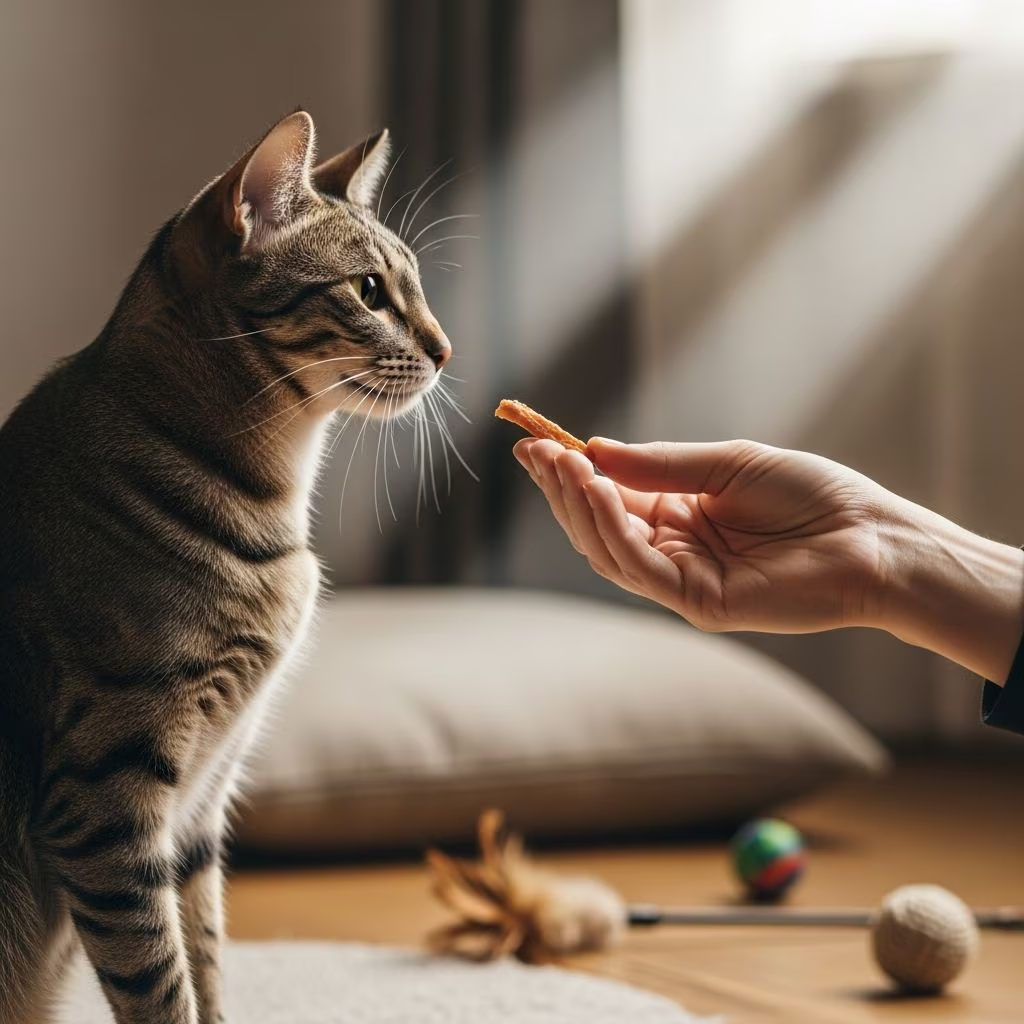
Cats possess unique instincts and learning styles that differ from dogs or humans, making traditional discipline methods ineffective and potentially harmful. Instead of punishment, focus on behavior modification through positive reinforcement and environmental adjustments to encourage desirable actions while respecting your cat’s natural behaviors.
Understanding Feline Learning Principles
Cats learn primarily through consequences and associations, adapting their actions based on what follows them. Positive approaches strengthen bonds and minimize stress, unlike aversive tactics that risk fear, avoidance, or aggression.
- Positive Reinforcement: Introduce a pleasant stimulus, like treats or play, right after a good behavior to make it more likely to repeat. For instance, reward scratching on a post immediately.
- Negative Punishment: Withdraw attention or a privilege when unwanted behavior occurs, such as leaving the room if your cat nips for play.
- Avoid Positive Punishment: Adding discomfort, like water sprays, often leads to the cat linking you with negativity rather than the action, causing avoidance or resentment.
- Steer Clear of Negative Reinforcement: Removing an aversive only after compliance can confuse cats and erode trust.
These principles stem from operant conditioning, where cats connect actions to outcomes. Associative learning further complicates punishment, as cats may fear the handler instead of the behavior.
Why Punishment Fails Cats
Physical reprimands, yelling, or sprays create more problems than solutions. Cats rarely link the discomfort to their misdeed, especially if delayed, leading to unintended fallout.
| Risk of Punishment | Consequences | Alternatives |
|---|---|---|
| Escape/Avoidance | Cat hides from you or specific rooms | Redirect to toys or posts |
| Aggression | Defensive scratches or bites increase | Positive rewards for calm |
| Depression/Suppression | Reduced activity, health issues from unmet needs | Enrich environment |
| Handler Dependency | Escalating reliance on aversives | Consistent reinforcement |
Studies from veterinary behaviorists emphasize that punishment heightens stress hormones, worsening issues like litter box avoidance or overgrooming.
Building Good Habits with Positive Reinforcement
Reward desirable actions promptly to shape behavior. Timing is crucial—offer treats within seconds for clear connections.
- Praise and treat for using the litter box correctly.
- Clicker training: Pair a clicker sound with rewards to mark exact moments of success, ideal for tricks like sitting or coming when called.
- Play sessions as rewards for ignoring forbidden areas.
Consistency across household members amplifies results, turning sporadic good behaviors into habits.
Addressing Common Behavioral Challenges
Stopping Destructive Scratching
Scratching fulfills claw maintenance and marking needs. Provide appealing alternatives rather than deterrents.
- Position multiple sisal or cardboard posts near problem spots.
- Attract with catnip or toys; demonstrate use by scratching yourself.
- Trim nails regularly and use soft caps for furniture protection.
If scratching persists, check for stress or medical pain prompting it.
Managing Aggression and Biting
Aggression often signals play redirection, fear, or overstimulation. Interrupt without scaring.
- Use a hiss or loud clap to startle, followed by ignoring.
- Identify triggers: petting too long, new pets, or territory disputes.
- Enrich with solo toys to reduce human-directed energy.
- Consult vets for underlying health issues like arthritis.
Counter Jumping and Surface Surfing
Cats seek high vantage points. Make counters unappealing and alternatives better.
- Place foil, sticky tape, or motion-activated air puffs on edges.
- Install window perches or tall cat trees.
- Never leave food accessible; store securely.
Litter Box Issues
Elimination outside the box often ties to cleanliness, location, or health.
- Maintain daily scooping, multiple boxes in quiet spots.
- Test litters; avoid scented if disliked.
- Vet check for UTIs or constipation.
Environmental Enrichment Strategies
Modify your home to prevent issues proactively. Cats thrive with outlets for hunting, climbing, and scratching.
- Vertical Space: Shelves, trees, and perches satisfy climbing instincts.
- Hunting Toys: Wand toys, laser pointers mimic prey.
- Hideouts: Boxes and tunnels reduce stress.
- Safe Deterrents: Cookie sheets on tables rattle harmlessly; double-sided tape on couches.
These changes meet needs, reducing boredom-driven mischief.
Daily Routines for Lasting Change
Schedule play, feeding, and interaction to align with natural rhythms. Feed meals via puzzle toys to engage hunting drives.
- Morning/evening hunts: 15-20 minutes twice daily.
- Avoid free-feeding; timed meals build appetite for tricks.
- Track progress in a journal to note patterns and wins.
Patience is key—behavior shifts take weeks of repetition.
Frequently Asked Questions
Can Cats Be Trained Like Dogs?
Yes, but with cat-centric methods. Focus on short sessions and food motivation, as cats respond best to self-paced learning.
What If My Cat Ignores Rewards?
Find high-value treats like tuna or chicken. Ensure they’re hungry and vary rewards to maintain interest.
Is Yelling Ever Okay?
No, it stresses cats and reinforces attention-seeking. Ignore bad actions; reward good ones.
How Long Until I See Results?
Typically 2-4 weeks with consistency. Persistent issues warrant professional behaviorists.
Multi-Cat Homes?
Provide resources per cat plus one. Separate feeding/scratching areas to curb competition.
Long-Term Benefits of Gentle Training
Positive methods enhance trust, reduce vet visits from stress illnesses, and create joyful companionship. Cats flourish when viewed as partners, not subjects.
References
- How To Train a Cat: Promoting Positive Behavior — Catastrophic Creations. Accessed 2026. https://www.catastrophicreations.com/blogs/articles/cat-behavior-training-positive-negative-reinforcement
- How to Discipline a Cat and Stop Bad Behavior — Purina US. Accessed 2026. https://www.purina.com/articles/cat/behavior/training/how-to-discipline-a-cat
- How to Discipline a Cat Properly — Hill’s Pet Nutrition. Accessed 2026. https://www.hillspet.com/cat-care/routine-care/how-to-discipline-a-cat
- Preventing Unwanted Cat Behaviors Handout — American Association of Feline Practitioners (catvets.com). 2025. https://catvets.com/wp-content/uploads/2025/12/FelineVMA_Preventing_Unwanted_Behaviors_Handout.pdf
- It’s Time to Stop Spraying Cats with Water! — Feline Behavior Solutions. Accessed 2026. https://felinebehaviorsolutions.com/stop-spraying-cats-with-water/



