

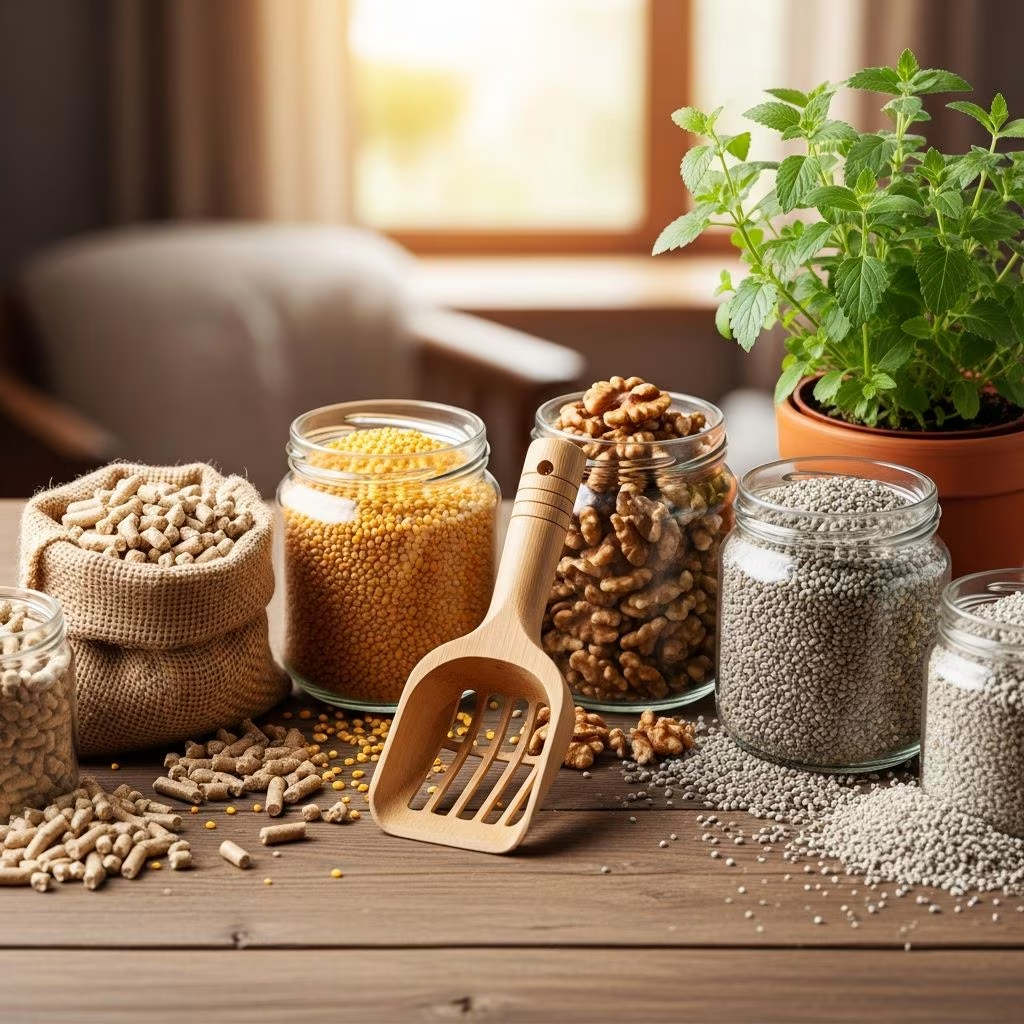
Pet owners increasingly seek sustainable alternatives to traditional clay-based cat litters, turning to natural options derived from renewable plant materials. These eco-friendly cat litters offer benefits like biodegradability, reduced dust, and gentle textures while maintaining essential functions such as odor control and clumping.
Why Choose Natural Cat Litter?
Natural cat litters stand out for their composition from materials like corn, wheat, walnut shells, wood pellets, and recycled paper, avoiding synthetic clays or silica gels. They minimize environmental harm through renewability and compostability in many cases, produce less airborne dust to protect respiratory health for cats and humans, and often feature softer granules that are paw-friendly. Unlike conventional litters, which rely on strip-mining and are non-biodegradable, natural varieties support greener waste disposal methods, including flushing or composting where local regulations permit.
Health advantages include lower exposure to bentonite clay dust, which can irritate lungs or cause respiratory issues. Studies and expert reviews highlight their suitability for multi-cat homes or sensitive pets, though performance varies by type.
Popular Types of Natural Cat Litters
Diverse plant-based materials form the backbone of natural litters, each bringing unique properties to absorb moisture, neutralize smells, and facilitate cleaning.
Corn-Based Litters
Crafted from ground corn kernels, these litters excel in clumping due to natural starches, forming solid masses for straightforward scooping. They boast high absorbency and flushability in approved systems, appealing to those prioritizing convenience and sustainability. Brands like World’s Best Cat Litter use patented compression for superior odor trapping.
Walnut Shell Litters
Ground walnut shells provide robust clumping and exceptional odor neutralization thanks to inherent antimicrobial qualities. Lightweight and low-dust, they biodegrade fully but may track slightly and have a darker hue that obscures waste visibility.
Wood and Pine Litters
Sourced from reclaimed pine, cedar, or other woods, these litters leverage natural absorbency and pine’s aromatic compounds for scent masking. Available as pellets that disintegrate when wet or clumping formulas, they suit eco-conscious users but require more frequent changes if non-clumping.
Wheat and Grass-Based Litters
Wheat litters, like Swheat Scoop, clump naturally and decompose readily, offering good odor management. Grass options, such as those from sorghum, provide tight clumps with a subtle cereal aroma, minimizing dust for allergy-prone households.
Other Plant Innovations: Tofu and Coconut
Tofu litters from soybean offer ultra-soft textures and strong clumping with low dust, ideal for kittens or picky cats, though availability and cost can be drawbacks. Coconut husk variants deliver lightweight, dust-free performance with biodegradability, gentle on paws despite moderate clumping.
Performance Comparison Table
| Litter Type | Clumping | Odor Control | Dust Level | Biodegradable | Price Range |
|---|---|---|---|---|---|
| Corn | Excellent | Good | Low | Yes | $$ |
| Walnut | Excellent | Excellent | Low | Yes | $$ |
| Wood/Pine | Fair-Good | Good | Low | Yes | $ |
| Wheat/Grass | Good | Good | Low | Yes | $$ |
| Tofu | Excellent | Good | Very Low | Yes | $$$ |
| Coconut | Fair | Fair | Very Low | Yes | $$ |
This table summarizes key attributes based on user tests and manufacturer data, with ratings derived from absorption tests and odor evaluations.
Pros and Cons of Switching to Natural Litters
- Environmental Wins: Fully compostable or flushable options reduce landfill waste; sourced from sustainable agriculture.
- Health Perks: Dust-free formulas benefit cats with asthma or owners with allergies; no harsh chemicals.
- Comfort Factors: Softer particles mimic sand, encouraging box use; natural scents deter bacterial growth.
- Potential Drawbacks: Higher upfront costs; some attract bugs if stored poorly; variable clumping may demand more maintenance.
- Tracking Issues: Lighter textures can scatter, necessitating mats.
How to Transition Your Cat Smoothly
Gradual introduction prevents litter box avoidance. Start by mixing 25% new litter with 75% old over 1-2 weeks, increasing incrementally while monitoring habits. Place boxes in quiet spots with high sides to contain scatter. Observe for signs of distress like accidents, adjusting as needed.
Test small quantities first to gauge acceptance, as finicky cats may reject unfamiliar scents or feels. Reward usage with treats to reinforce positive behavior.
Top Recommendations for 2026
Based on recent reviews, Ökocat wood litters shine for clumping and sustainability from managed forests. SmartCat grass litter impresses with instant absorption and minimal dust. Naturally Fresh walnut provides top-tier odor control.
- Best Overall: Corn-based for balance of clumping and eco-friendliness.
- Best for Odor: Walnut shells.
- Best Budget: Pine pellets.
- Best Low-Dust: Tofu or grass.
Frequently Asked Questions (FAQs)
Are natural litters safe to flush?
Many corn or tofu types are septic-safe in moderation; always verify packaging and local plumbing codes to avoid clogs.
Do natural litters control odors as well as clay?
High-performers like walnut match or exceed clay via natural enzymes, though some require diligent scooping.
Can I compost used natural litter?
Yes for plant-based varieties without waste; separate solids and check municipal composting rules, avoiding diseased pets.
Why might my cat reject natural litter?
Texture or scent differences; mix gradually and try unscented versions.
Are they suitable for kittens?
Soft, dust-free options like tofu or paper are ideal to prevent ingestion risks.
Maintenance Tips for Optimal Performance
Scoop daily, fully change weekly, and store in sealed containers to prevent moisture or pests. Use enzymatic cleaners for boxes to enhance longevity. For multi-cat setups, opt for high-capacity automatic boxes compatible with naturals.
In humid climates, choose low-moisture-retaining types like wood to curb mold. Track usage patterns to refine choices, ensuring litter depth of 2-3 inches for digging satisfaction.
References
- What Is the Best Natural Cat Litter? Best Litter Types Guide — Litter-Robot. 2025. https://www.litter-robot.com/blog/best-natural-cat-litter/
- Natural Cat Litter: What’s the Difference, and Should You Switch? — PetMD. 2024-10-15. https://www.petmd.com/cat/wellness/evr_ct_natural_cat_litter
- The Ultimate Guide to Types of Cat Litter — Purina. 2025. https://www.purina.com/articles/cat/behavior/litter/types-of-cat-litter
- The Ultimate Guide To Different Types of Cat Litter — Tuft & Paw. 2025. https://www.tuftandpaw.com/blogs/cat-guides/the-ultimate-guide-to-different-types-of-cat-litter
- The 5 Best Natural Cat Litters in 2026, Tested and Reviewed — Business Insider. 2026-01-15. https://www.businessinsider.com/guides/pets/best-natural-cat-litter
- Our Difference | Why Our Natural Cat Litter is Different — World’s Best Cat Litter. 2025. https://www.worldsbestcatlitter.com/our-difference/



