

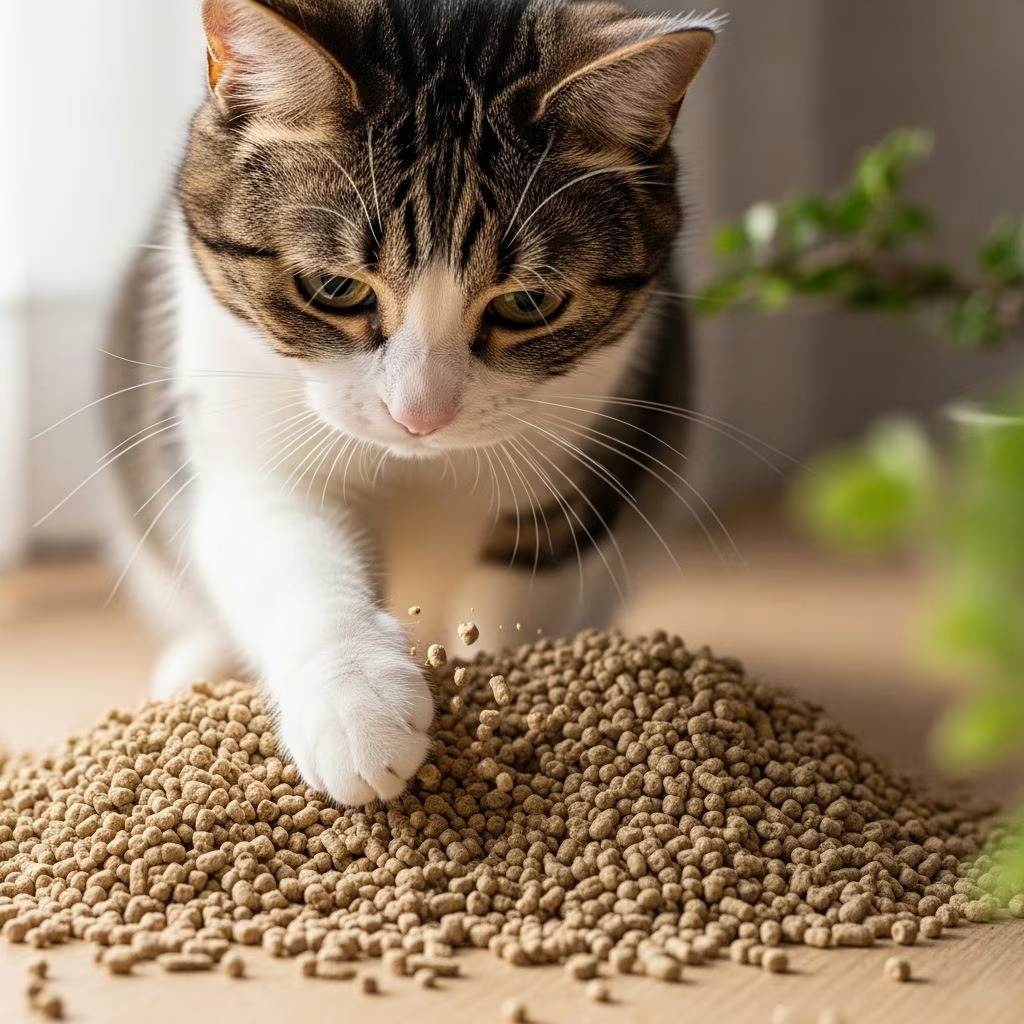
Switching to natural cat litter represents a smart choice for environmentally conscious pet owners. These products, derived from renewable resources, offer compelling advantages over conventional clay-based options, including biodegradability and reduced health risks.
Why Choose Sustainable Cat Litter Solutions?
Natural cat litters prioritize planetary health by minimizing waste and resource depletion. Traditional litters contribute billions of pounds to landfills annually since they do not break down. In contrast, plant-based alternatives decompose naturally, supporting composting efforts and reducing environmental footprints.
Health benefits extend to both cats and humans. Low-dust formulations prevent respiratory irritation, making them suitable for sensitive individuals or those with allergies. Organic compositions avoid synthetic chemicals, fostering safer litter box environments.
Key Advantages of Plant-Based Litters
- Superior Environmental Impact: Biodegradable materials like corn and wood reduce landfill contributions and promote sustainability.
- Minimal Dust Production: Less airborne particles benefit cats with asthma and owners prone to allergies.
- Natural Odor Neutralization: Ingredients such as pine or walnut shells absorb and eliminate smells without artificial additives.
- Lightweight Design: Easier handling for scooping and transport, ideal for multi-cat homes or limited mobility users.
- Low Tracking: Reduced scatter outside the box simplifies cleanup.
Popular Varieties of Natural Cat Litter
Diverse materials cater to different preferences. Each type leverages natural properties for absorption, clumping, and scent control.
Corn-Derived Litter
Crafted from ground corn kernels, this litter excels in clumping for effortless scooping. Its biodegradability supports composting, though proper storage prevents pest attraction. Users appreciate the lightweight feel and natural fragrance.
Wood and Pine Pellets
Reclaimed wood sources like pine provide exceptional absorbency—up to 500% of their weight in liquids—and ammonia-neutralizing compounds. Dust-free and pleasant-smelling, they suit odor-sensitive households.
Wheat-Based Formulations
Wheat litters use enzymatic clumping for solid waste management. Biodegradable and gentle on paws, they offer reliable odor control but may require more frequent changes in high-urine scenarios.
Paper and Recycled Options
Made from clean paper pulp, these are ultra-lightweight and ink-free, perfect for respiratory-compromised cats. High absorbency pairs with zero dust for allergy-friendly use.
Walnut Shell Granules
Ground walnut shells deliver strong clumping and low dust. Natural deodorizing properties shine, though darker hues can obscure waste visibility.
Tofu and Soy Innovations
Soy-based litters mimic soft textures while clumping effectively. Flushable and biodegradable, they appeal to urban dwellers but command premium prices.
Performance Comparison: Natural vs. Traditional Litters
Natural options often outperform clay in sustainability and health metrics, though cost and availability vary.
| Feature | Natural Litter | Traditional Clay |
|---|---|---|
| Material Source | Plant-based (corn, wood, wheat) | Mined clay or silica |
| Biodegradability | Yes, compostable | No, landfill waste |
| Dust Levels | Low to none | High |
| Odor Control | Natural enzymes | Chemical additives |
| Weight | Lightweight | Heavy |
| Cost | Higher initial | Lower |
| Tracking | Minimal | Moderate |
This table highlights why many opt for greener alternatives despite upfront costs.
Potential Drawbacks and Solutions
No litter is perfect. Natural varieties can cost more and may attract insects if stored improperly. Clumping might lag behind clay in heavy-use scenarios, necessitating sifting tweaks.
- Solution for Pests: Seal containers airtight post-use.
- Cost Management: Buy in bulk for savings.
- Clumping Issues: Layer with baking soda for enhancement.
Allergen risks exist for nut-based litters, so check labels.
Transitioning Your Cat to Greener Litters
Abrupt changes cause aversion. Mix 25% new litter with 75% old, gradually increasing over 1-2 weeks. Monitor acceptance and adjust textures for paw comfort.
Kittens and seniors benefit from soft variants like paper or tofu. Multi-cat households favor strong clumping types.
Maintenance Tips for Optimal Results
Scoop daily and refresh fully weekly. Compost non-waste solids where permitted; avoid if parasites are a concern. Pair with litter box liners for hygiene.
Cost-Benefit Analysis Over Time
Initial premiums offset via longevity—natural litters last longer due to efficiency. Environmental savings compound, reducing carbon impacts.
Frequently Asked Questions
Is natural cat litter flushable?
Some varieties like tofu or corn are, but verify septic safety and local rules.
Does it control odors as well as clay?
Yes, natural agents often match or exceed, sans chemicals.
Can I compost it?
Biodegradable types yes, excluding waste-contaminated portions.
Are they safe for kittens?
Dust-free, soft textures make them ideal.
How do I prevent tracking?
Use mats and low-tracking granules.
Choosing the Right Litter for Your Home
Assess cat preferences, household allergies, and disposal options. Test samples to ensure acceptance. Sustainable litters align pet care with ecological responsibility.
Brands emphasizing renewable sourcing amplify benefits. Long-term, they foster healthier cats and cleaner planets.
References
- The Pros and Cons of Switching to Natural Cat Litter — Coherent Market Insights. 2023. https://www.coherentmarketinsights.com/blog/the-pros-and-cons-of-switching-to-natural-cat-litter-1357
- What is natural cat litter and why should I use it? — Tippaws. 2023. https://www.tippaws.com/blogs/news/what-is-natural-cat-litter-and-why-should-i-use-it
- 5 Benefits of Using Natural Cat Litter — Rufus & Coco Australia. 2023. https://rufusandcoco.com.au/blogs/blog/5-benefits-of-using-natural-cat-litter
- What Is the Best Natural Cat Litter? Best Litter Types Guide — Litter-Robot. 2023. https://www.litter-robot.com/blog/best-natural-cat-litter/
- The many benefits of natural cat litters — Healthy Pet. 2023. https://www.healthy-pet.com/blogs/blog/the-many-benefits-of-natural-cat-litters
- Exploring Cat Litters: Types, Benefits, Pros and Cons — Barely There Litter. 2023. https://barelytherelitter.com.au/blogs/deep-dives-on-litter/exploring-cat-litters-types-benefits-pros-and-cons



