

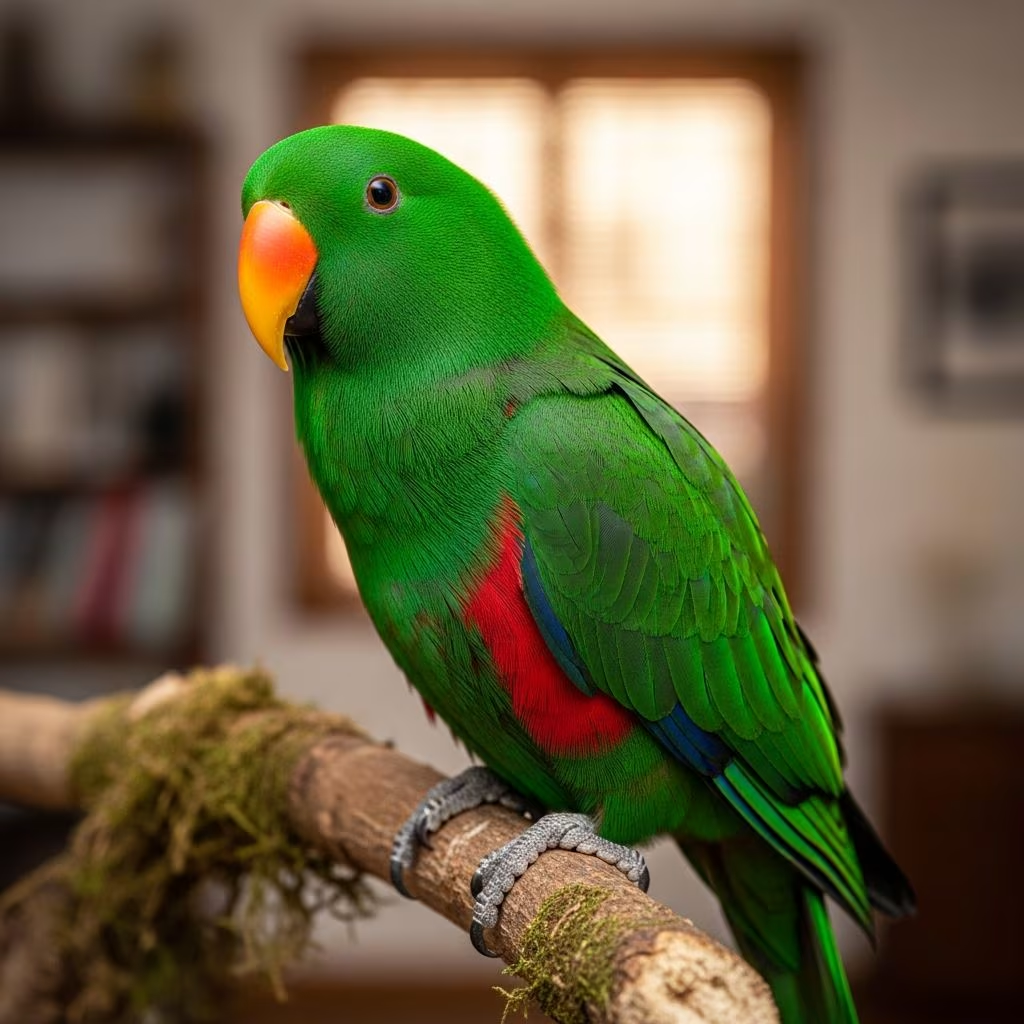
What Eclectus Parrots Are Like as Pets
Eclectus parrots are among the most visually striking and distinctive parrot species available to bird enthusiasts and pet owners. With their vibrant plumage, gentle temperament, and remarkable intelligence, these birds have captured the hearts of many avian lovers worldwide. However, before bringing an Eclectus parrot into your home, it’s essential to understand their unique personality traits, care requirements, and behavioral characteristics. This comprehensive guide will help you determine whether an Eclectus parrot is the right pet for you and your family.
Understanding Eclectus Parrot Appearance and Lifespan
One of the most fascinating aspects of Eclectus parrots is their striking sexual dimorphism, which is so pronounced that ornithologists once believed males and females were entirely different species. Male Eclectus parrots display brilliant emerald green plumage with bright yellow crowns and distinctive candy-corn colored upper beaks, creating a stunning contrast of colors. Their wings feature red feathers underneath, and their tail feathers showcase green and blue hues with yellow or white tips. Females, by contrast, are predominantly bright red with dark purple accents and entirely black mandibles, presenting a completely different appearance than their male counterparts.
These medium-sized parrots typically live an average of 40 years in captivity, though some sources report lifespans up to 30 years. This extended lifespan means that acquiring an Eclectus parrot represents a lifelong commitment that can span several decades. Potential owners must be prepared to provide decades of care, attention, and resources to ensure their bird’s wellbeing throughout its life.
Personality Traits of Male and Female Eclectus Parrots
The personality differences between male and female Eclectus parrots are as pronounced as their physical appearances. These color differences actually mirror their behavioral tendencies, making it important for potential owners to understand what to expect based on their bird’s sex.
Male Eclectus Parrots
Male Eclectus parrots are generally more docile, calm, and easygoing compared to their female counterparts. These birds tend to be more accepting of strangers and adapt better to new situations and handling procedures, especially when hand-raised from a young age. Males are known for being affectionate and forming strong bonds with their owners, often displaying loyalty and attachment. They are less likely to display territorial or aggressive behaviors and typically make more reliable companions for families and first-time parrot owners.
Female Eclectus Parrots
Female Eclectus parrots are noticeably feistier and can be more aggressive than males, particularly during breeding season. Even when kept as single pets, females maintain strong nesting instincts and may seek out nest sites in dark, enclosed areas around the home, such as cupboards or underneath furniture. These birds tend to be more territorial and controlling, and they may be more difficult to befriend than males. However, with patience and proper socialization, strong bonds can eventually be formed with female Eclectus parrots, though they require a different approach than their male counterparts.
Temperament and Behavior Characteristics
Compared to other parrot species, Eclectus parrots of both sexes are notably gentler and calmer birds. They are not particularly known for biting behavior, which sets them apart from many other large parrot species that are prone to aggressive nipping. Their tranquil nature and intelligence make them welcome family members in households that can provide appropriate care and stimulation.
Eclectus parrots are relatively calm in captivity, especially when strangers are present, though they may exhibit a somewhat pensive or cautious nature when encountering new situations. However, once comfortable with family members, these birds can become quite playful and even rambunctious. To a greater degree than many other companion bird species, Eclectus parrots may display fearfulness toward anything novel or unfamiliar.
Communication and Vocalizations
While Eclectus parrots are generally not prone to the loud, excessive squawking characteristic of many other large parrot species, they are indeed pretty chatty birds. These parrots are vocal communicators that can develop extensive vocabularies and be taught to speak and sing. Their vocalizations are often surprisingly human-like in quality, and they naturally call to one another in the wild. Though they are talkative, their noise level remains relatively manageable compared to other parrots of similar size, making them more suitable for apartment living and noise-sensitive environments.
Intelligence and Enrichment Needs
Eclectus parrots are remarkably intelligent birds that require substantial mental stimulation to remain happy and healthy. These intelligent creatures can problem-solve with ease and pick up behaviors and tricks readily. They need access to a variety of toys that provide different types of enrichment: toys that can be chewed on, puzzle toys that stimulate their cognitive abilities, and toys designed to be destroyed, such as those made of soft wood. Providing adequate enrichment is crucial, as boredom and lack of stimulation can lead to behavioral problems and health issues.
Suitability as Family Pets
Eclectus parrots are not necessarily the ideal choice for families with very young children, though they can coexist with children when properly supervised. It is essential to teach children how to behave appropriately around the bird rather than expecting the bird to adapt to children’s behavior. These birds will not tolerate frantic activity or constant disturbing noise, which means they require a relatively calm household environment. They are pretty good with children in general, provided that interactions are carefully managed and supervised.
Additionally, Eclectus parrots are social birds that do well with proper socialization and can be accepting of strangers when acclimated to regular interaction with different people. Young, hand-raised Eclectus parrots adapt more readily to new surroundings and handling procedures than those with less socialization experience.
Housing and Space Requirements
Eclectus parrots are very active birds that require spacious cage accommodations and plenty of out-of-cage time to interact with their owners. These large birds can become restless, unhappy, and develop behavioral problems when confined in inadequate spaces. Pet owners should invest in the largest cage that their home and budget can afford to ensure their bird has sufficient room to move, stretch, and exercise. Regular out-of-cage time for supervised play and interaction is essential for their physical and mental wellbeing.
Health Concerns and Challenges
One significant drawback to ownership is that Eclectus parrots are susceptible to stress and prone to feather picking, which is a serious behavioral and health concern. Feather-picking occurs when parrots bite, chew, or pluck their feathers with their beaks, potentially damaging both their plumage and skin. Excessive feather picking is often caused by stress resulting from spending too much time alone, lack of mental stimulation, or fearfulness of new situations. The most common health disorders found in Eclectus parrots include feather picking, hypovitaminosis A deficiency, bacterial infections, and wing flapping and toe tapping behaviors.
Additionally, young hand-raised Eclectus chicks may exhibit temporary aggression a couple of weeks prior to weaning, though this is a normal developmental phase that eventually resolves.
Diet and Nutrition
Proper nutrition is fundamental to keeping Eclectus parrots healthy and vibrant. These birds benefit from specialized parrot food formulated to meet their nutritional requirements. A well-balanced diet supports their immune system, feather quality, and overall health. Consultation with an avian veterinarian can help determine the best dietary approach for your individual bird.
Advantages of Eclectus Parrot Ownership
Eclectus parrots offer several compelling advantages as pets compared to other parrot species:
- Calmer and gentler temperament than many other large parrots
- Not particularly prone to biting behavior
- Intelligent and capable of learning tricks, commands, and speech
- Relatively manageable noise levels
- Can form strong, devoted bonds with their owners
- Good with strangers when properly socialized
- Playful and affectionate on their own terms
- Visually striking and beautiful appearance
Challenges of Eclectus Parrot Ownership
Potential Eclectus parrot owners should also be aware of these challenges:
- Require significant daily attention and mental stimulation
- Susceptible to stress-related feather picking
- Need large, spacious cages and significant out-of-cage time
- Female Eclectus parrots can be aggressive and territorial
- May display fear or caution toward novel situations
- Represent a 40-year commitment to care
- Not ideal for families with very young children
- Require supervision during interactions with family members
Creating an Ideal Environment for Your Eclectus Parrot
To ensure your Eclectus parrot thrives in captivity, create an environment that supports their physical and psychological needs. This includes providing a spacious, well-appointed cage with multiple perches, regular out-of-cage time for flight and exercise, diverse toy selection for mental enrichment, a consistent daily routine, and ample interaction with family members. Minimize exposure to stressful situations, maintain a calm household environment, and provide veterinary care from an avian specialist. Early socialization with different people and experiences helps build confidence and prevents fearfulness in both males and females.
Comparing Male and Female Eclectus Parrots as Pets
| Characteristic | Male Eclectus | Female Eclectus |
|---|---|---|
| Temperament | Docile, calm, easygoing | Feisty, aggressive, territorial |
| Sociability | More accepting of strangers | More reserved with outsiders |
| Adaptability | Adapt well to new situations | May exhibit fear of novelty |
| Bonding | Form strong, loyal bonds | More difficult to befriend initially |
| Behavior During Breeding Season | No significant changes | Increased aggression and territoriality |
| Nesting Behavior | Not applicable | Strong nesting instincts even as single pets |
| Recommended For | First-time owners, families | Experienced parrot owners |
Frequently Asked Questions About Eclectus Parrots
Q: How long do Eclectus parrots typically live?
A: Eclectus parrots typically live an average of 40 years in captivity, though some may live slightly less. This extended lifespan means they represent a long-term commitment requiring decades of dedicated care, attention, and resources.
Q: Are Eclectus parrots good for families with young children?
A: Eclectus parrots are not necessarily ideal for families with very young children, though they can be around children with proper supervision. It’s important to teach children how to behave appropriately around the bird, as these birds do not tolerate frantic activity or constant disturbing noise.
Q: What is feather picking and why do Eclectus parrots do it?
A: Feather picking occurs when parrots bite, chew, or pluck their feathers with their beaks. Eclectus parrots are particularly prone to this behavior when stressed, lonely, or under-stimulated. Spending too much time alone is a primary cause of excessive feather picking in this species.
Q: Do male or female Eclectus parrots make better pets?
A: Male Eclectus parrots are generally better suited for most pet owners because they are more docile, accepting, and easier to socialize. Female Eclectus parrots are feistier and more territorial, making them better suited for experienced parrot owners who understand their more complex behavioral needs.
Q: How much space do Eclectus parrots need?
A: Eclectus parrots are very active birds that require the largest cage possible within your home and budget constraints. They also need substantial out-of-cage time each day to exercise, interact, and prevent the restlessness and unhappiness that comes from confinement.
Q: Can Eclectus parrots be taught to speak?
A: Yes, Eclectus parrots are intelligent and capable of developing extensive vocabularies. They can be taught to speak and sing, and their vocalizations often sound surprisingly human-like. However, they are not prone to the loud, excessive squawking typical of other parrot species.
Q: What kind of toys do Eclectus parrots need?
A: Eclectus parrots require a variety of toys that serve different purposes: chewable toys, puzzle toys for mental stimulation, and toys made of soft wood that can be destroyed. Regular rotation and replacement of toys helps maintain their interest and provides ongoing mental enrichment.
References
- What is the good and bad of eclectus parrots? — Parrot Forum. Accessed 2025-11-28. https://www.parrotforums.com/threads/what-is-the-good-and-bad-of-eclectus-parrots.70878/
- Eclectus Personality, Food & Care — Lafeber Co. Accessed 2025-11-28. https://lafeber.com/pet-birds/species/solomon-islands-eclectus/
- What an Eclectus Parrot Is Like as a Pet — Chewy. Accessed 2025-11-28. https://www.chewy.com/education/bird/parrot/what-eclectus-parrots-are-like-as-pets
- What to Know About the Eclectus Parrot — WebMD. Accessed 2025-11-28. https://www.webmd.com/pets/what-to-know-about-the-eclectus-parrot
- How to Live with an Eclectus — Harrison’s Bird Foods. Accessed 2025-11-28. https://www.harrisonsbirdfoods.com/how-to-live-with-an-eclectus/



