

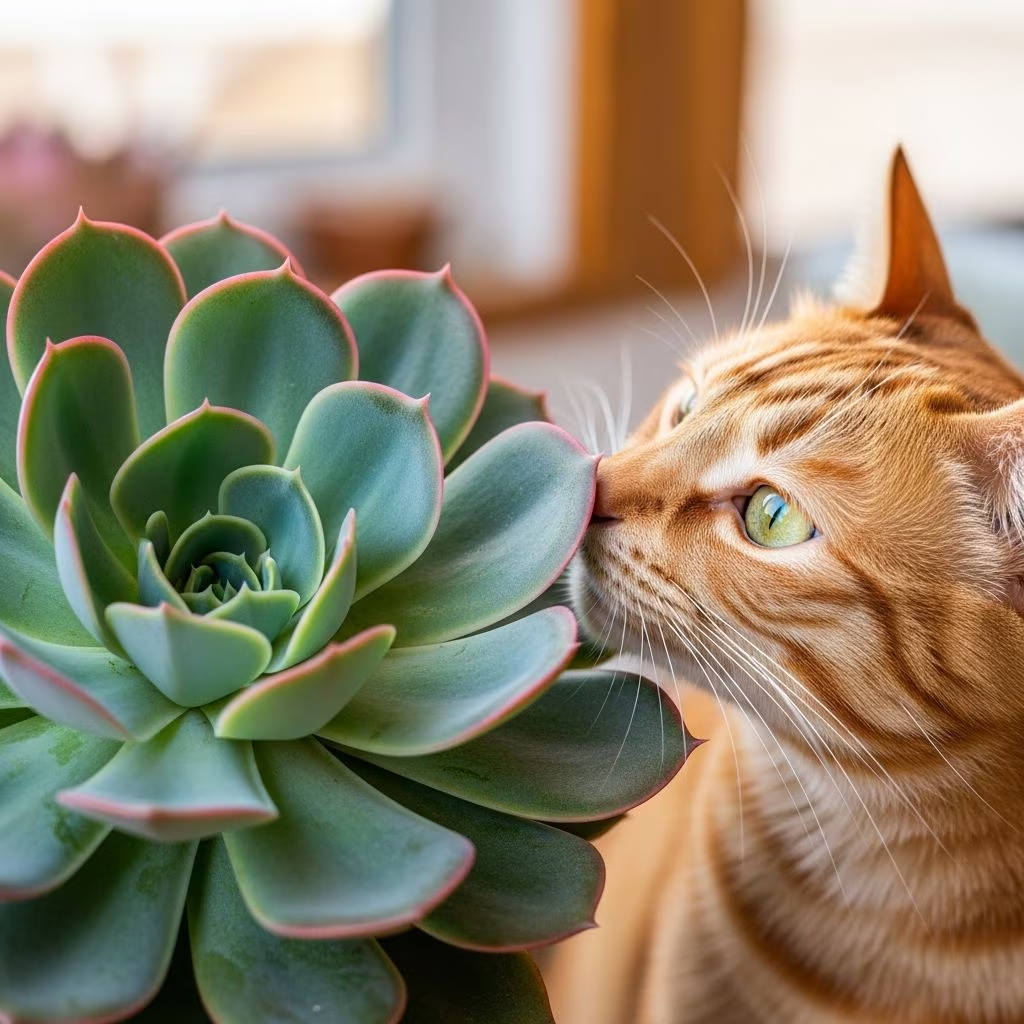
Cat owners often face the challenge of decorating their homes with plants while ensuring feline safety. Echeveria succulents stand out as a reliable choice, confirmed non-toxic by major pet health organizations. These rosette-forming plants from the Crassulaceae family thrive in arid conditions and add aesthetic appeal without health risks to cats.
Understanding Echeveria Succulents
Echeveria species, numbering around 150, originate from regions like Texas, Argentina, and parts of Hawaii. Their thick, fleshy leaves arranged in tight rosettes make them popular for indoor displays. Unlike many succulents, Echeveria lacks harmful compounds, positioning it as a top pick for pet households.
These plants store water in their leaves, enabling low-maintenance care with bright indirect light and infrequent watering. Their vibrant colors—ranging from powdery blues to deep reds—enhance living spaces without compromising pet well-being.
Why Echeveria Is Non-Toxic to Cats
According to the ASPCA and veterinary sources, Echeveria does not contain toxins that affect cats physiologically or psychologically. Unlike catnip, which induces temporary euphoria, nibbling Echeveria produces no behavioral changes.
- No systemic poisoning: Lacks alkaloids, saponins, or irritants found in toxic plants like Aloe vera.
- Mild digestive response: Rare cases may lead to brief vomiting or lethargy due to fiber content, resolving without intervention.
- Vet consensus: Listed as safe alongside Haworthia and Sempervivum.
This safety profile extends to dogs, though puppies might experience temporary tummy upset from overindulgence.
Potential Reactions from Cat Nibbling
While non-toxic, cats occasionally chew plants out of curiosity or boredom. For Echeveria, symptoms—if any—are limited to gastrointestinal mildness.
| Symptom | Description | Duration | Action Needed |
|---|---|---|---|
| Vomiting | One-time expulsion of plant material | Hours | Monitor at home |
| Lethargy | Mild tiredness post-ingestion | Less than a day | Observe; vet if persists |
| Diarrhea | Soft stools from indigestible fibers | Short-term | Hydration support |
Symptoms rarely exceed 24 hours and do not involve severe issues like respiratory distress or cardiac effects seen in truly poisonous plants. Persistent signs warrant a vet visit for tailored advice.
Safe Succulents vs. Dangerous Ones
Not all succulents share Echeveria’s benign nature. Informed choices prevent accidents.
Pet-Safe Options
- Haworthia (Zebra Plant): Spiky, compact; fully non-toxic.
- Sempervivum (Hens and Chicks): Hardy rosettes; no risks.
- Sedum varieties: Trailing stonecrops; safe for indoor use.
Toxic Succulents to Avoid
- Aloe Vera: Sap causes vomiting, diarrhea, lethargy.
- Jade Plant (Crassula ovata): Leads to incoordination, slow heart rate.
- Euphorbia (Pencil Cactus): Irritating sap burns mouth, induces GI upset.
- Kalanchoe: Cardiac toxins; vomiting common.
- Sansevieria (Snake Plant): Nausea, diarrhea.
Always cross-reference with ASPCA lists before adding plants.
Preventing Cats from Chewing Plants
Safety doesn’t eliminate the desire to protect greenery. Cats may bat, dig, or taste plants instinctively.
- Elevate displays: Use high shelves or hanging planters beyond leap range.
- Deterrents: Apply citrus sprays or aluminum foil around bases—cats dislike textures and scents.
- Alternatives: Offer cat grass or wheatgrass for safe nibbling urges.
- Training: Use positive reinforcement; redirect with toys when approaching plants.
- Room division: Designate plant-only zones inaccessible to pets.
Combining methods yields best results, preserving both plants and cat curiosity.
Care Tips for Thriving Echeveria in Cat Homes
To maximize beauty and resilience:
- Light: 4-6 hours indirect sun; rotate for even growth.
- Water: Soil fully dry between sessions; overwatering causes rot.
- Soil: Well-draining cactus mix prevents root issues.
- Propagation: Leaf cuttings root easily—fun, low-risk activity.
- Temperature: 65-75°F (18-24°C); avoid drafts.
These practices ensure lush plants that withstand occasional feline interaction.
Emergency Protocol if Ingestion Occurs
Even safe plants merit vigilance. Steps for any suspected plant contact:
- Remove access: Isolate plant; inspect cat’s mouth.
- Observe: Track symptoms, timing, amount ingested.
- Contact pros: Call vet or ASPCA Poison Control (888-426-4435) for guidance.
- Supportive care: Offer water; withhold food briefly if vomiting.
Act promptly—better safe than sorry, though Echeveria rarely necessitates intervention.
Benefits of Echeveria in Pet-Friendly Homes
Beyond safety, Echeveria purifies air modestly, resists pests, and requires minimal effort. Varieties like ‘Lola’ (blue-gray) or ‘Perle von Nurnberg’ (pink-purple) dazzle visually, fostering serene environments.
They symbolize enduring care, mirroring the commitment to pet health.
Frequently Asked Questions
Is Echeveria poisonous to cats?
No, Echeveria is non-toxic to cats per ASPCA and vet sources. Mild stomach upset is possible but self-resolves.
Can cats safely be around Echeveria plants?
Yes, these succulents top safe lists for felines and canines alike.
What if my cat vomits after eating Echeveria?
Monitor for 24 hours. If ongoing or severe, consult a vet—unlikely for this plant.
Are all succulents safe for cats?
No; avoid Aloe, Jade, Euphorbia. Opt for Echeveria, Haworthia.
How do I stop my cat from eating my succulents?
Use deterrents, elevation, and cat grass substitutes.
Building a Cat-Safe Garden
Expand beyond Echeveria with spider plants, Boston ferns—vet-approved non-toxics. Research via ASPCA database ensures comprehensive safety.
Pet-friendly greening enhances homes, reducing stress for all inhabitants. Echeveria exemplifies balance: beauty without peril.
References
- Are Echeveria Poisonous? – Plant Addicts — Plant Addicts. Accessed 2026. https://plantaddicts.com/are-echeveria-poisonous/
- Is Echeveria Poisonous to Cats? Vet Approved Facts & Safety Tips — Catster. Accessed 2026. https://www.catster.com/cat-health-care/is-echeveria-poisonous-to-cats/
- Are Succulents Poisonous to Cats? — Gardenia.net. Accessed 2026. https://www.gardenia.net/guide/are-succulents-poisonous-to-cats
- Succulent Poisoning in Cats: Immediate Steps for an Emergency — GSVS.org. Accessed 2026. https://gsvs.org/blog/succulent-poisoning-cats-emergency-steps/
- Are Succulents Poisonous To Cats? — Whisker.com. Accessed 2026. https://www.whisker.com/blog/are-succulents-poisonous-to-cats



