

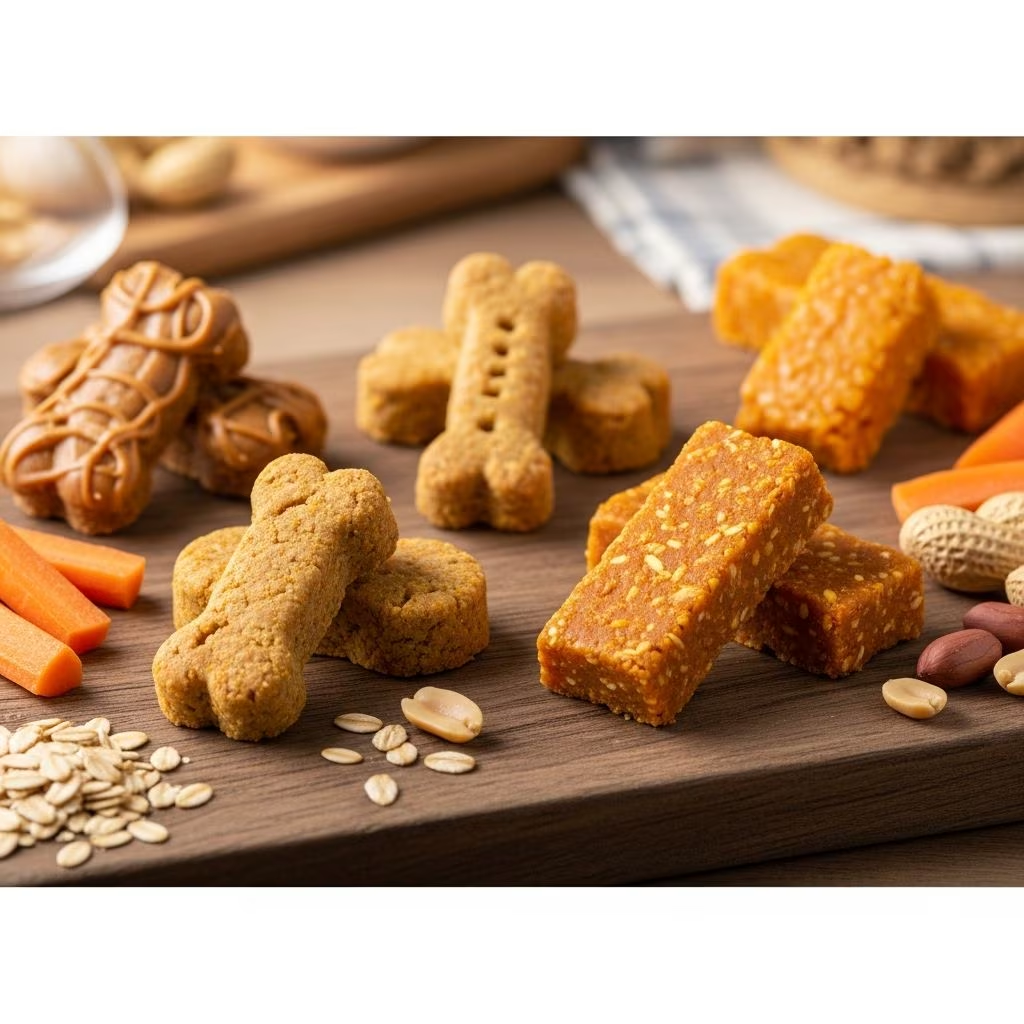
5 Easy Homemade Dog Treat Recipes Your Pup Will Love
Making homemade dog treats is one of the best ways to show your furry friend how much you care. Unlike commercial treats that may contain preservatives and artificial ingredients, homemade dog treats allow you to control exactly what goes into your pup’s snacks. Whether you’re looking to celebrate a special occasion or simply want to give your dog a tasty reward, these five easy-to-make homemade dog treat recipes are sure to make your pup’s tail wag with excitement.
All of the recipes featured here have been reviewed by veterinarians and are designed to be safe, nutritious, and delicious. They range from sophisticated French-inspired macarons to fun seasonal treats that celebrate holidays and warm weather. Best of all, most of these recipes require ingredients you likely already have in your pantry and take less than 30 minutes to prepare.
French Macaron Homemade Peanut Butter Dog Treat Recipe
If you want to bake your dog a treat as fancy as they are, this dog-friendly macaron recipe is perfect for the occasion. These homemade peanut butter dog treats are designed to imitate the well-known French delicacy, but with all pet-friendly ingredients. What makes this recipe particularly impressive is that despite its sophisticated appearance, it only takes about 20 minutes to make and requires just five simple ingredients.
This recipe combines the nutritional benefits of wholesome ingredients without any of the dangerous components found in human macarons. The result is an elegant treat that looks fancy enough to impress, yet is completely safe for your beloved companion.
Ingredients You’ll Need
- Flour
- Egg
- Chicken broth
- Beet juice
- Peanut butter (xylitol-free)
Recipe Timeline
| Stage | Time Required |
|---|---|
| Prep time | 15 minutes |
| Bake time | 5 minutes |
Witch’s Potion Punch Homemade Dog Treat Recipe
Looking for a fun and festive treat to serve your dog? The Witch’s Potion Punch is a bubbling brew that your dog can lick up and enjoy. This recipe is perfect for Halloween celebrations or any time you want to create something playful and engaging for your pup.
This refreshing treat combines nutritious ingredients that are not only tasty but also beneficial for your dog’s health. The combination of ingredients creates a unique texture and flavor that many dogs find irresistible, making it an excellent choice for dogs who enjoy varied sensory experiences.
Simple Ingredients
- Chicken broth
- Frozen banana
- Cucumber
- Frozen peas
- Peanut butter (xylitol-free)
Preparation Details
Prep time: 10 minutes
This recipe is one of the quickest on our list, making it ideal for when you want to whip up a treat quickly. The frozen ingredients not only add nutritional value but also provide a cooling effect that dogs especially appreciate during warmer months.
Easter Bunny Frozen Yogurt, Strawberry and Turmeric Dog Treat
Show your dog that “some bunny” loves them with these adorable frozen bunny-shaped homemade dog treats. These treats are made by freezing wholesome ingredients like Greek yogurt and strawberries, making them an excellent way to keep your pup cool on hot days while also providing a special treat.
What makes these treats particularly special is the use of natural ingredients for coloring. Instead of artificial food dyes or synthetic colorings, this recipe uses strawberries and turmeric to create vibrant pink and yellow hues that are reminiscent of the classic marshmallow bunny treats that humans enjoy. This means you can feel completely confident knowing that your dog is consuming only natural, pet-safe ingredients.
Key Ingredients
- Canned pumpkin
- Chicken broth
- Yogurt
- Ice cubes
- Cinnamon
- Greenies and whipped cream (optional)
Why This Recipe Works
The combination of Greek yogurt provides probiotics for digestive health, while strawberries and turmeric offer antioxidants. The frozen format makes this treat perfect for teething puppies or dogs who need to cool down on warm days. The natural colors make these treats visually appealing for both dogs and their owners.
Pumpkin Spice Latte Inspired Dog Treat
While your dog may not appreciate the caffeine, they’ll absolutely love pumpkin-based treats that capture the essence of fall flavors. Pumpkin is an excellent ingredient for homemade dog treats because it’s nutrient-dense, low in calories, and beneficial for digestive health.
Pumpkin treats are particularly popular during the fall and Halloween seasons, but they’re actually a great year-round option. The natural sweetness of pumpkin makes dogs love these treats, and the ingredient is gentle on their digestive systems. Whether you’re making pumpkin pie dog treats or pumpkin-based frozen treats, your dog will enjoy the warm, comforting flavors associated with this seasonal favorite.
Popular Pumpkin Treat Variations
There are multiple ways to incorporate pumpkin into homemade dog treats. Some recipes focus on baked goods like pumpkin pie treats, while others create frozen treats that provide cooling relief. The versatility of pumpkin makes it an ideal ingredient for experimenting with different textures and presentation styles.
Important Considerations for Homemade Dog Treats
Veterinary Review and Safety
All of the homemade dog treat recipes featured have been reviewed by veterinarians to ensure they are safe and appropriate for dogs. However, it’s important to remember that treats—both DIY dog treats and pre-made commercial options—should only constitute a small percentage of your dog’s daily food intake.
Nutritional Balance
Feeding too many treats can lead to nutrient deficiencies and upset the balance of your dog’s diet. Treats should make up no more than 10% of your dog’s total daily caloric intake. This ensures that your pup still receives the majority of their nutrition from their regular dog food, which is formulated to meet all of their nutritional needs.
Health Considerations
If your pet has health issues such as food allergies, sensitivities, or specific dietary restrictions, it’s crucial to consult your pet’s veterinarian before offering them a new food item. This is especially important if your dog has conditions like diabetes, obesity, or digestive issues. Your vet can help you determine which treats are appropriate for your individual dog’s needs.
Ingredient Safety
When making homemade dog treats, pay careful attention to ingredient safety. Some common human foods are toxic to dogs, including xylitol (an artificial sweetener found in some peanut butters), chocolate, grapes, and raisins. Always verify that peanut butter and other ingredients do not contain xylitol before using them in your dog treat recipes.
Benefits of Homemade Dog Treats
Quality Control
When you make dog treats at home, you have complete control over the ingredients used. This means you can avoid preservatives, artificial flavors, and other additives commonly found in commercial treats. You can select organic ingredients, human-grade products, and fresh whole foods.
Cost-Effectiveness
Homemade dog treats are typically more affordable than premium commercial options. Many of the recipes featured use pantry staples that you likely already have on hand, making them an economical choice for treating your dog regularly.
Bonding Experience
Making treats for your dog creates a wonderful bonding experience. The process of preparing something special for your pup demonstrates your love and care, and many dogs even enjoy supervising or participating in the treat-making process. Some recipes even suggest letting your pup lick the mixing bowl when you’re finished!
Customization Options
Unlike commercial treats that come in standard formulations, homemade treats can be customized to suit your dog’s specific preferences and dietary needs. If your dog prefers certain flavors or has sensitivities to specific ingredients, you can easily adjust recipes accordingly.
Tips for Success When Making Dog Treats
Gather Your Supplies
Before you begin, assemble all necessary supplies such as mixing bowls, whisks, measuring cups and spoons, baking sheets, and any special molds or cookie cutters you plan to use. Having everything ready makes the process smoother and more enjoyable.
Follow Instructions Carefully
While these recipes are generally forgiving, following instructions carefully ensures the best results. Pay attention to oven temperatures, baking times, and ingredient measurements to achieve treats that are the right texture and consistency.
Storage Recommendations
Store your homemade dog treats in an airtight container in the refrigerator or freezer, depending on the recipe. Frozen treats should be thawed slightly before serving, while refrigerated treats can typically be served directly from the fridge. Always check freshness before serving treats to your dog.
Portion Control
Remember to account for treats in your dog’s daily caloric intake. If you’re giving your dog one homemade treat, you may need to reduce their regular food portion slightly to maintain proper caloric balance.
Frequently Asked Questions About Homemade Dog Treats
Q: Is peanut butter safe for dogs?
A: Yes, peanut butter is safe for dogs in moderation, but you must ensure it does not contain xylitol, which is toxic to dogs. Look for peanut butter that contains only peanuts and salt.
Q: How should I store homemade dog treats?
A: Store treats in an airtight container in the refrigerator for up to two weeks or freeze them for longer storage. Frozen treats can typically last two to three months.
Q: Can I make treats for dogs with allergies?
A: Yes, homemade treats are excellent for dogs with allergies because you can control all ingredients. However, consult your veterinarian first to ensure the treats are appropriate for your dog’s specific allergies.
Q: How often should I give my dog treats?
A: Treats should comprise no more than 10% of your dog’s daily caloric intake. This typically means one or two small treats daily, depending on your dog’s size and caloric needs.
Q: Can puppies eat these homemade treats?
A: Many treats are suitable for puppies, but puppies have different nutritional requirements than adult dogs. Consult your veterinarian before giving treats to puppies to ensure they are age-appropriate.
Q: What should I do if my dog has an adverse reaction to a treat?
A: If your dog experiences vomiting, diarrhea, or other adverse reactions after consuming a homemade treat, stop offering that treat immediately and consult your veterinarian.
Q: Are frozen treats safe for dogs?
A: Yes, frozen treats are safe and can be beneficial, especially during warm weather. However, supervise your dog to ensure they don’t chomp too aggressively and hurt their teeth on extremely hard frozen treats.
Q: Can I use ingredients from my garden in dog treats?
A: Many garden vegetables are safe for dogs, including pumpkin, sweet potatoes, and green beans. However, avoid toxic plants and verify safety before using any ingredient from your garden.
References
- ASPCA Animal Poison Control Center — ASPCA. 2024. https://www.aspca.org/pet-care/animal-poison-control
- Xylitol Toxicity in Dogs: A Growing Problem — Veterinary Medicine: Research and Reports. 2019. https://www.ncbi.nlm.nih.gov/pmc/articles/PMC6779440/
- Nutritional Guidelines for Complete and Balanced Diets for Dogs — American Feed Industry Association. 2024. https://www.aafco.org/
- Probiotics and Canine Digestive Health — Journal of the American Veterinary Medical Association. 2021. https://avmajournals.avma.org/
- Pumpkin as a Functional Food for Dogs — UC Davis School of Veterinary Medicine. 2023. https://www.vetmed.ucdavis.edu/



