

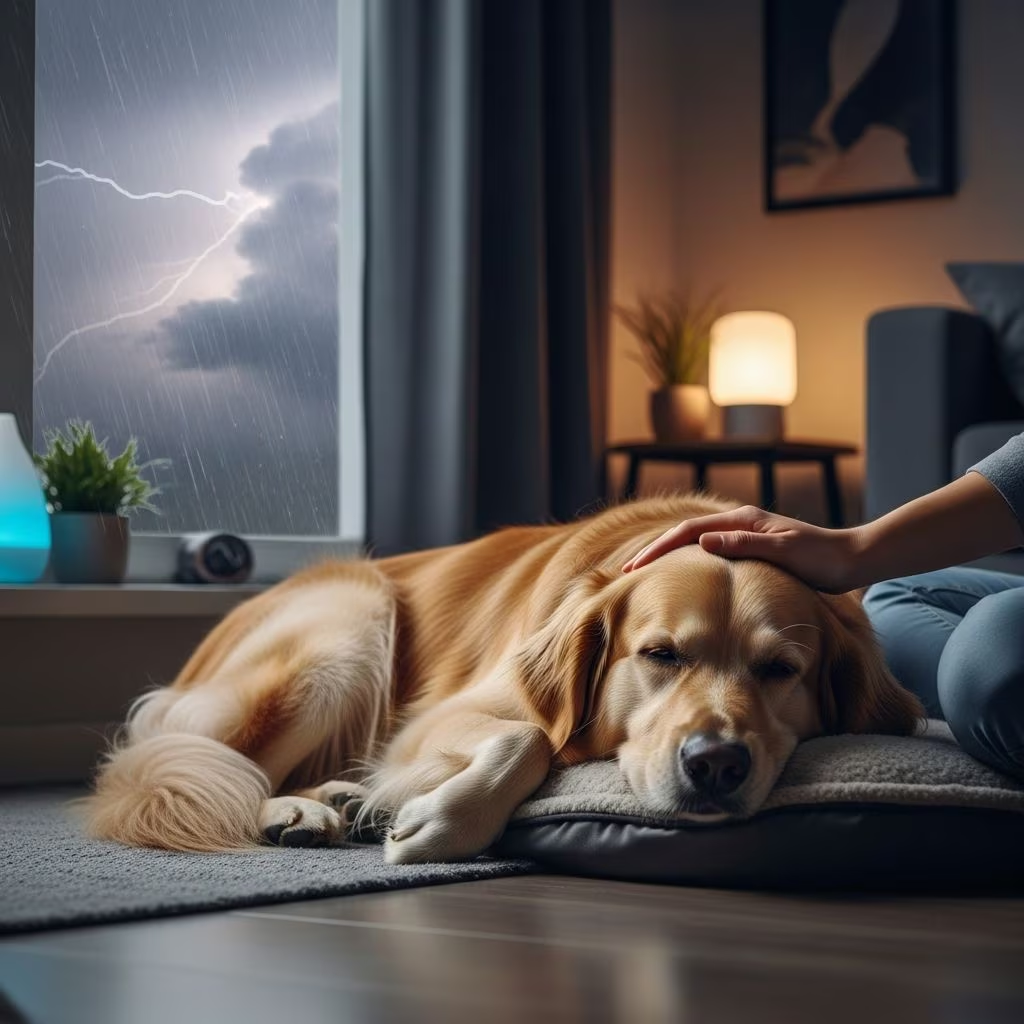
Thunderstorms trigger intense fear in many dogs, manifesting as panic that disrupts their well-being and daily life. This guide explores the roots of this phobia, its physical and behavioral impacts, and practical solutions ranging from home remedies to professional treatments, drawing on veterinary insights for comprehensive management.
Decoding the Storm Phobia Puzzle in Canines
Dogs perceive thunderstorms through heightened senses that detect subtle changes humans often miss. Low-frequency rumbles from distant thunder reach their ears first, alerting them well before the storm peaks. Shifts in barometric pressure, the scent of ozone from lightning, static electricity buildup, and even wind patterns contribute to their distress.
Genetic factors play a role, with herding breeds showing higher susceptibility due to innate emotional reactivity. Lack of early exposure during the critical socialization window—typically between 3 and 12 weeks—can heighten vulnerability. A single traumatic event, like being left alone during a storm, may imprint lasting fear. Owners unintentionally reinforce this by offering excessive comfort, which dogs interpret as confirmation of danger.
Spotting the Warning Signs of Storm Distress
Recognizing early indicators allows timely intervention. Dogs may display a spectrum of reactions, from mild unease to severe panic.
- Mild cues: Pacing restlessly, panting heavily, or sticking close to owners like a ‘velcro dog.’
- Moderate behaviors: Trembling, drooling excessively, whining, or hiding in confined spaces such as closets or under furniture.
- Severe responses: Destructive chewing on doors or walls, howling, indoor elimination, or frantic escape attempts that risk injury.
These signs often emerge before audible thunder, triggered by atmospheric cues. Post-storm anxiety can linger for hours or days in chronic cases.
The Hidden Health Toll of Unchecked Anxiety
Prolonged fear activates the fight-or-flight response, flooding the body with stress hormones like cortisol. This chronic elevation disrupts multiple systems:
| Body System | Effects |
|---|---|
| Cardiovascular | Accelerated heart rate, potential hypertension |
| Respiratory | Hyperventilation, rapid shallow breathing |
| Endocrine | Elevated cortisol, stress hyperglycemia |
| Gastrointestinal | Appetite loss, diarrhea, vomiting |
| Musculoskeletal | Injuries from panicked bolting or chewing |
| Immune | Weakened defenses, increased illness risk |
Self-inflicted wounds from clawing at windows or crates compound the issue, sometimes leading to dental damage or skin lacerations. Over time, this phobia can exacerbate separation anxiety or generalize to other noises like fireworks.
Step-by-Step Strategies for Calming Storm Fears
1. Create a Secure Sanctuary Space
Designate a quiet, interior room away from windows as a safe haven. Pad it with blankets, toys, and your dog’s bed to foster security. Cover windows with heavy drapes to block lightning flashes and play white noise or calming music to mask thunder. For some dogs, crating in this space mimics a den-like burrow.
2. Counter-Conditioning and Desensitization Basics
Gradually expose your dog to storm cues at low intensity paired with rewards. Start with recordings of distant thunder at minimal volume during relaxed playtime, offering high-value treats like chicken bits. Increase volume slowly over weeks, always associating sound with positivity. Apps with customizable storm simulations aid this process. Consistency is key—practice daily in short 5-10 minute sessions.
3. Harness Natural Calming Aids
Non-drug options provide immediate relief:
- Compression garments: Vests like ThunderShirts apply gentle pressure, mimicking swaddling to reduce anxiety in 80% of cases.
- Pheromone diffusers: Adaptil collars or plug-ins release synthetic appeasing pheromones that signal safety.
- Herbal supplements: L-theanine, chamomile, or melatonin promote relaxation without sedation; consult a vet for dosing.
These tools bridge gaps during training.
4. Exercise and Routine as Preventive Buffers
A tired dog is less reactive. Implement morning walks and mental games like puzzle toys to burn energy. Maintain strict routines—feed, play, and rest at set times—to build predictability, which buffers against storm unpredictability.
Advanced Interventions: When to Call the Vet
If home efforts falter, veterinary behaviorists recommend:
- Prescription anxiolytics: FDA-approved drugs like fluoxetine (Prozac) for long-term management or alprazolam for acute storms. Start 30-60 minutes pre-storm.
- Referral to specialists: Certified animal behaviorists tailor protocols using systematic desensitization.
- Health checks: Rule out pain or cognitive decline mimicking phobia onset.
Combine meds with behavior mod for best outcomes; abrupt cessation risks rebound anxiety.
Breed and Age Considerations in Storm Sensitivity
Herding breeds (Border Collies, Australian Shepherds) and sight hounds top vulnerability lists due to genetics. Puppies socialized with controlled storm exposures fare better. Seniors may develop sudden fears from hearing loss or arthritis pain amplification. Tailor approaches: high-drive breeds need more exercise, while geriatrics benefit from meds sooner.
Real-Life Success Stories and Common Pitfalls
Owners report 70% improvement with consistent desensitization. One case involved a Labrador pairing vest use with treats, eliminating destruction within months. Avoid pitfalls like punishment (worsens fear) or isolation (heightens panic). Track progress in a storm journal noting triggers, responses, and interventions.
FAQs: Quick Answers to Thunder Phobia Queries
Why do some dogs fear storms suddenly?
Sudden onset often ties to negative associations, health issues like pain, or age-related changes amplifying sensitivity.
Can storm phobia resolve on its own?
Rarely; without intervention, it typically intensifies with repeated exposures.
Is medication a first resort?
No—start with behavior and environmental mods; meds supplement severe cases.
How long does desensitization take?
Weeks to months, depending on severity and consistency.
Do calming treats work for all dogs?
Effectiveness varies; trial under vet guidance to avoid interactions.
Long-Term Outlook: Building Storm Resilience
With proactive management, most dogs achieve significant relief, enjoying fuller lives. Monitor weather apps for advance prep, stock aids, and celebrate small wins. If phobia links to broader anxiety, holistic plans address root causes. Patience and science-backed methods transform terror into tolerance.
References
- Thunderstorm Phobias in Dogs: How to Manage Dog Storm Anxiety — PetMD Editorial. 2023. https://www.petmd.com/dog/conditions/behavioral/c_dg_thunderstorm_phobias
- Thunderstorm Phobia in Dogs – Symptoms, Causes, Diagnosis — WagWalking. 2023. https://wagwalking.com/condition/thunderstorm-phobia
- Thunderstorm Phobia — Animal Care Center of Fort Scott, KS. 2023. https://animalcarefs.com/thunderstorm-phobia/
- Understanding Thunderstorm Anxiety in Dogs — Youngsville Animal Hospital. 2023. https://youngsvilleanimalhospital.com/understanding-thunderstorm-anxiety-in-dogs/
- Noise and Storm Phobias and Anxiety in Dogs — Today’s Veterinary Practice. 2023. https://todaysveterinarypractice.com/behavior/noise-storm-phobias-anxiety-in-dogs/
- Dog Storm Anxiety — Shallowford Animal Hospital. 2023. https://shallowfordvet.com/dog-storm-anxiety/
- Helping Dogs with Severe Phobias During Storms and Fireworks — VCA Animal Hospitals. 2023. https://vcahospitals.com/know-your-pet/helping-dogs-with-severe-phobias-during-storms-and-fireworks



