

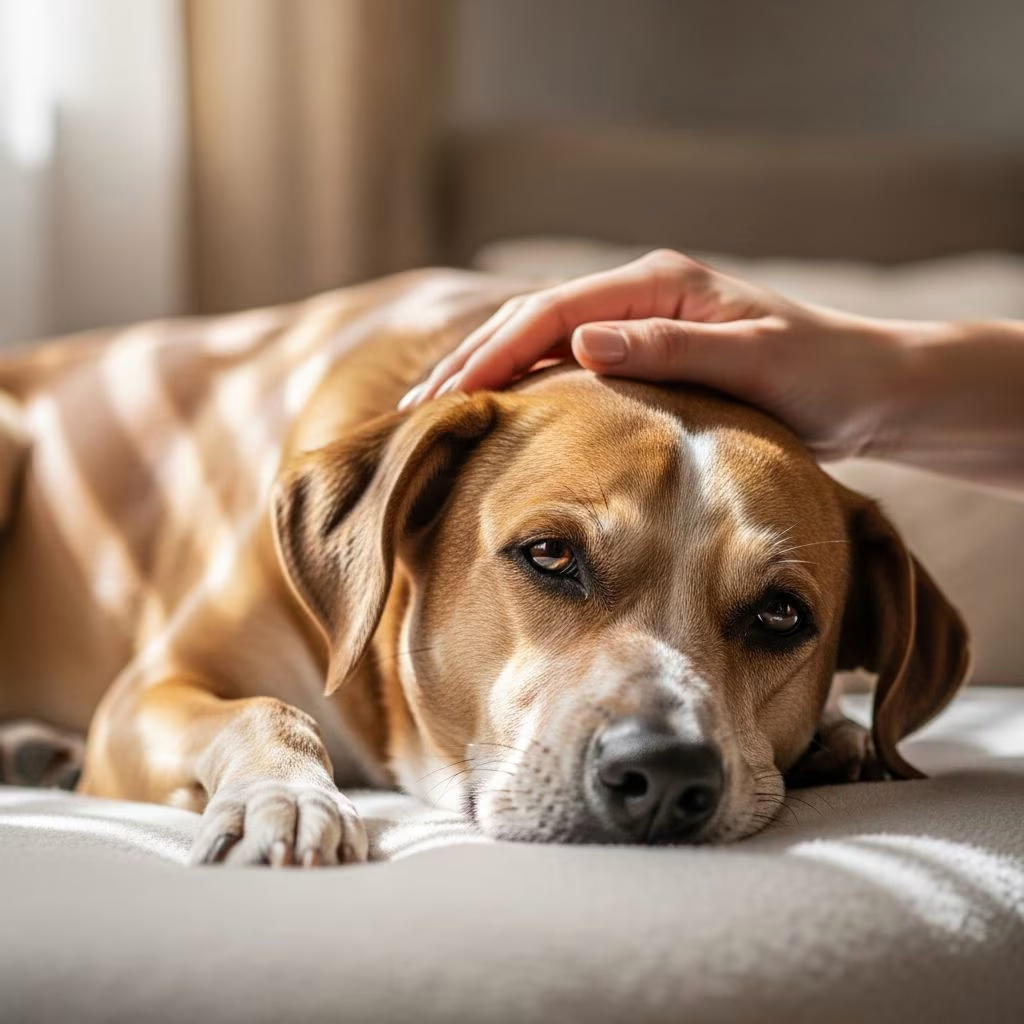
Female dogs experience a natural reproductive phase known as the heat cycle, or estrus, which brings physical and behavioral changes that can cause discomfort. This period typically lasts 14 to 21 days, during which owners play a crucial role in providing relief through hygiene management, environmental adjustments, and attentive care.
Recognizing the Stages of Your Dog’s Heat Cycle
Understanding the phases helps anticipate needs. The cycle begins with proestrus, lasting about 9 days, marked by vulvar swelling and bloody discharge. This transitions to estrus, around days 9-15, when discharge lightens and the dog becomes receptive to mating. Diestrus follows for about two months, and anestrus is the resting phase.
- Proestrus: Bloody spotting, increased urination, and attraction of males.
- Estrus: Clearer discharge, flagging tail, and peak fertility.
- Diestrus: Potential false pregnancy symptoms if not bred.
- Anestrus: Recovery period before the next cycle.
Breeds vary; small dogs cycle every 6-8 months, larger ones less frequently. Early recognition allows proactive comfort measures.
Hygiene Essentials for Cleanliness and Comfort
Maintaining hygiene prevents infections and eases irritation. Dogs often lick excessively to clean, but owners must assist, especially with long fur.
- Use absorbent pads or old towels on bedding, changing them daily to absorb discharge.
- Gently trim fur around the vulva if matted, using pet-safe clippers.
- Introduce dog diapers early; select leak-proof, breathable ones changed every 3-4 hours.
Wash the area with mild, vet-approved wipes if needed, avoiding human products that irritate skin. This keeps your home clean and your dog comfortable.
Creating a Calm and Cool Living Space
A peaceful environment reduces stress exacerbated by hormones. Dogs may appear restless or withdrawn.
- Designate a quiet room away from noise, children, or other pets.
- Provide cooling mats, fans, or air conditioning to combat increased body temperature.
- Ensure soft, clean bedding elevated off floors for easy cleaning.
Minimize changes to routine, as familiarity soothes. Dim lights and soft music can further promote relaxation.
Nutrition and Hydration to Sustain Energy
Hormonal shifts demand nutritional support. Appetite may dip, but balanced meals aid hormone production.
| Nutrient | Benefits | Sources |
|---|---|---|
| Protein | Supports tissue repair | High-quality kibble, lean meats |
| Omega-3s | Reduces inflammation | Fish oil supplements |
| Vitamins/Minerals | Boosts immunity | Vegetables, fortified foods |
Offer smaller, frequent meals if appetite wanes. Fresh water is vital; add ice cubes to encourage drinking and cool her down. Monitor for dehydration signs like dry gums.
Safe Exercise and Mental Stimulation
Activity burns off anxious energy without risks. Avoid dog parks or unsupervised outings, as scents attract males from afar.
- Leashed walks in quiet areas, 20-30 minutes daily.
- Indoor play with toys or training sessions using positive reinforcement.
- Yard time in a secure, fenced space if available.
Adjust for mood; patience prevents frustration during temperament shifts.
Emotional Support and Affection Strategies
Dogs crave extra reassurance, showing neediness or irritability.
- Spend quality time cuddling or gentle petting on request.
- Offer chew toys or puzzle feeders to release calming endorphins.
- Respect space if she withdraws; forced interaction heightens stress.
Observe for anxiety like pacing or whining, responding with calm presence.
Natural Remedies for Added Relief
Non-invasive options can soothe without meds. Always consult a vet first.
- Chamomile Tea: Cooled, weak brew in water for calming nerves.
- Lavender Diffuser: Low concentration in a ventilated area.
- Pheromone Products: Collars or sprays mimicking maternal scents.
Calming treats with herbs may help, but verify ingredients suit your dog.
Preventing Unwanted Interactions
Safety first: separate from intact males using gates or crates. Never leave outdoors alone; males can breach fences.
Supervise multi-dog homes rigorously. Diapers aid but aren’t foolproof against determined suitors.
When to Contact a Veterinarian
Most cycles pass uneventfully, but watch for prolonged bleeding over 21 days, fever, lethargy, or refusal to eat.
- Excessive vulvar swelling or foul discharge signals infection.
- Severe anxiety unresponsive to home care.
- First heat in late-blooming breeds.
Spaying post-cycle eliminates future episodes, preventing pyometra and cancers. Discuss pros/cons with your vet.
Long-Term Solutions: Spaying Considerations
Preventive spay after maturity weighs health benefits against risks like joint issues in large breeds. Timing matters; consult breed-specific guidelines.
Frequently Asked Questions (FAQs)
How long does a dog’s first heat last?
Typically 2-4 weeks, varying by breed and individual.
Can I bathe my dog more during heat?
Yes, with gentle shampoo, but avoid over-bathing to preserve skin oils.
Do male dogs need separation?
Absolutely, even fixed males may react to scents.
Is bleeding always heavy?
No, it ranges from spotting to moderate flow.
What if my dog seems pregnant after heat?
False pregnancy is common in diestrus; monitor and vet if concerned.
This comprehensive guide empowers owners to navigate heat cycles confidently, prioritizing pet comfort and safety.
References
- Dogs In Heat: Timeline, Duration, and Symptoms — PetMD. 2023. https://www.petmd.com/dog/general-health/dog-in-heat
- How to Comfort a Dog in Heat — Whole Dog Journal. 2023. https://www.whole-dog-journal.com/health/how-to-comfort-a-dog-in-heat/
- Dogs in Heat: How Long It Lasts and What to Expect — CareCredit. 2024. https://www.carecredit.com/well-u/pet-care/dogs-in-heat/
- What to Do When Your Dog Is In Heat — TelaVets. 2023. https://www.telavets.com/blog/what-to-do-when-your-dog-is-in-heat
- Everything You Need to Know if Your Dog is In Heat — Dogs Trust. 2024. https://www.dogstrust.org.uk/dog-advice/health-wellbeing/essentials/in-heat
- What To Do When Your Dog Is In Heat — ASPCA (via PetMD synthesis). 2023. https://www.petmd.com/dog/general-health/dog-in-heat



