

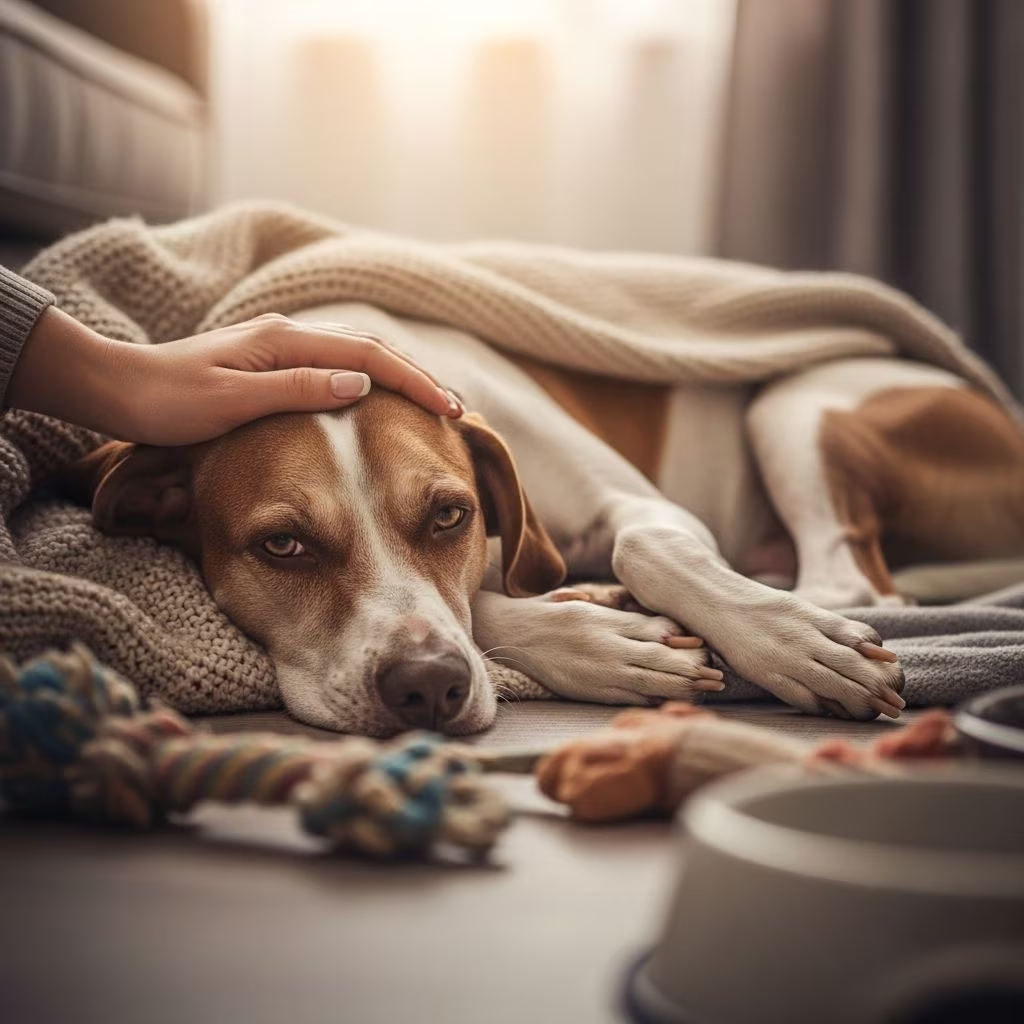
Female dogs experience heat cycles as a natural part of their reproductive life, typically lasting 2-4 weeks and occurring every 6-12 months depending on breed and age. These periods bring physical changes like vaginal discharge and swelling, alongside behavioral shifts such as restlessness or increased affection needs. Supporting your pet through this time involves hygiene management, environmental adjustments, and emotional care to minimize discomfort and prevent unwanted behaviors like escaping.
Recognizing the Stages of a Dog’s Heat Cycle
Understanding the phases helps anticipate your dog’s needs. The cycle divides into proestrus (7-10 days), where bloody discharge and vulvar swelling occur; estrus (5-10 days), the fertile window with lighter discharge and flagging tail; diestrus (60-90 days); and anestrus, the resting phase. Average total duration is 14-21 days, though small breeds may cycle more frequently.
- Proestrus: Attraction of males begins, but no fertility yet; dogs may be irritable.
- Estrus: Ovulation happens; highest escape risk due to mating urges.
- Diestrus: False pregnancy symptoms possible if unbred.
Monitor for subtle signs like frequent vulva licking or urine marking to stay ahead of challenges.
Building a Stress-Free Sanctuary at Home
A dedicated quiet area reduces anxiety from hormonal fluctuations. Choose a low-traffic room away from windows and doors to block scents and sights of other dogs. Line the space with washable blankets, her favorite toys, and cooling mats to regulate temperature.
| Element | Benefits | Implementation Tips |
|---|---|---|
| Cozy Bedding | Promotes rest amid lethargy | Use absorbent pads over regular beds |
| Cooling Fan/Mat | Prevents overheating | Position for gentle airflow |
| Toys and Chews | Distracts from discomfort | Rotate to maintain interest |
This setup fosters security, encouraging natural decompression without overstimulation.
Maintaining Daily Routines for Stability
Consistency in feeding, short leashed walks, and playtime provides reassurance. Even if appetite dips, offer small meals of high-quality protein-rich food to sustain energy. Avoid dog parks or crowded areas to prevent encounters; opt for quiet routes at off-peak hours.
- Feed balanced meals with omega-3 supplements for anti-inflammatory support.
- Schedule brief outdoor relief on leash only.
- Stick to familiar times to anchor her day.
Routine helps counter the disorientation from bodily changes, keeping both physical and mental health in check.
Hygiene Solutions to Handle Discharge
Bloody or straw-colored discharge is common, prompting excessive licking. Assist by gently cleaning the vulva area with pet-safe wipes and trimming fur if thick-coated. Absorbent pads on bedding catch leaks, while sanitary pants prevent messes indoors.
Introduce dog diapers gradually with treats for positive association. Change frequently to avoid skin issues, allowing skin-breathing breaks. For heavy flow, combine with old towels for layering.
Mental and Physical Enrichment Strategies
Hormonal surges boost energy and anxiety, making enrichment essential. Puzzle feeders, stuffed treat toys, and scent games tire the mind without physical risk. Teach simple tricks like ‘spin’ or hide treats for foraging to redirect focus.
- Puzzle Toys: Dispense kibble slowly for prolonged engagement.
- Chews: Natural options release calming endorphins.
- Scent Work: Hide treats in boxes for indoor hunts.
These activities channel restlessness productively, reducing escape attempts and promoting calm.
Personalized Affection and Space Management
Dogs vary: some seek extra pets and cuddles, others prefer solitude. Observe body language—leaning in signals comfort needs, while avoidance means back off. Offer gentle strokes or quality time playing softly, balancing with alone time.
Extra attention reassures without overwhelming, respecting her fluctuating moods.
Hydration and Nutrition Boosts for Comfort
Increased panting raises dehydration risk. Ensure constant fresh water access, adding ice cubes for cooling appeal. Enhance diet with nutrient-dense foods supporting hormone balance, like fish oils for skin health amid irritation.
- Monitor intake; entice fussy eaters with toppers.
- Add electrolytes if vet-approved for heavy pant.
- Fresh water refills multiple times daily.
Natural Calming Aids and Remedies
Gentle options like cooled chamomile tea (vet-approved dose) or lavender diffusers soothe nerves. Cooling mats and fans aid temperature control. Always consult a vet before new remedies to avoid interactions.
These complement core care, easing mild anxiety without meds.
Managing Male Dogs Around a Female in Heat
Males react strongly to pheromones, becoming agitated or persistent. Confine separately, block scents with closed doors, and exhaust with solo play or walks in neutral zones. Puzzle toys distract from fixation.
Supervise interactions closely to prevent mounting or stress buildup.
Long-Term Solution: The Case for Spaying
Spaying eliminates cycles, curbing behaviors like roaming and mood swings. Performed post-first heat ideally, it reduces mammary cancer and pyometra risks. Discuss timing with your vet for breed-specific advice.
- Health perks: No heats, lower cancer odds.
- Behavioral gains: Less anxiety, easier management.
- Timing: After growth maturity for large breeds.
Frequently Asked Questions (FAQs)
How long does a dog’s first heat last?
Typically 2-4 weeks, shortening with maturity.
Can I bathe my dog more during heat?
Yes, focus on gentle vulva cleaning; full baths weekly max.
Is bleeding always heavy?
Varies; light for some, requiring diapers for others.
What if my dog seems in pain?
Vet check for infections; swelling alone is normal.
Does heat affect appetite?
Often reduces it; tempt with favorites gently.
Monitoring Health and When to Call the Vet
Watch for excessive lethargy, foul discharge, vomiting, or prolonged cycles beyond 4 weeks. These signal issues like infections needing prompt care. Regular check-ins ensure smooth passages.
References
- How to Comfort A Dog In Heat (Without Losing Your Mind) — Tractive. 2023. https://tractive.com/blog/en/safety/how-to-comfort-a-dog-in-heat
- How To Comfort A Dog In Heat — Bully Bunches. 2023. https://bullybunches.com/blogs/news/how-to-comfort-a-dog-in-heat
- What to do when your dog is in heat — Animal Friends. 2023. https://www.animalfriends.co.uk/dog/dog-advice/dog-training-and-behaviour/what-to-do-when-your-dog-is-in-heat/
- How to Comfort a Dog in Heat — Whole Dog Journal. 2023. https://www.whole-dog-journal.com/health/how-to-comfort-a-dog-in-heat/
- Dogs In Heat: Timeline, Duration, and Symptoms — PetMD. 2024-02-12. https://www.petmd.com/dog/general-health/dog-in-heat
- Behavioral Changes During a Dog Heat Cycle — Eascor Animal Hospital. 2023. https://eascoranimalhospital.com/uncategorized/behavioral-changes-during-a-dog-heat-cycle/



