

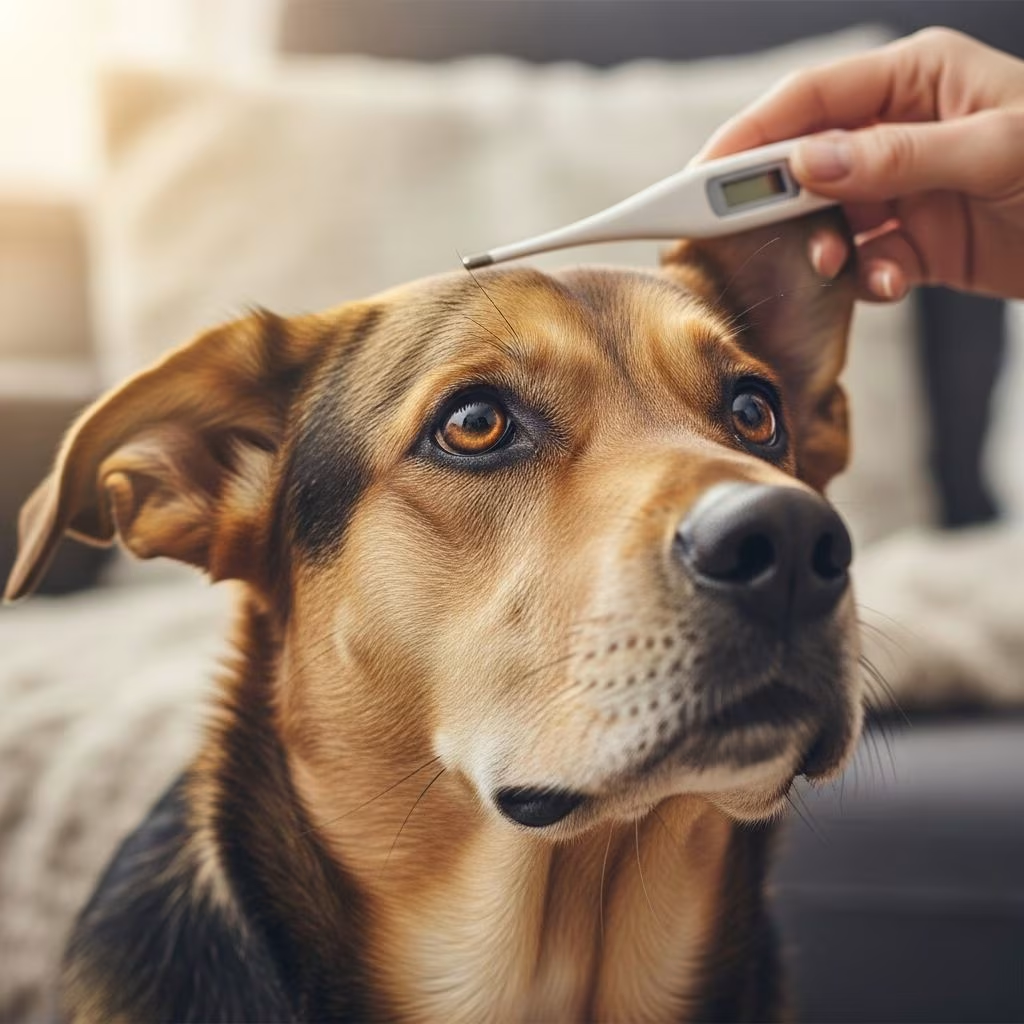
A fever in dogs signals their body fighting an underlying issue, often requiring prompt attention to prevent escalation. Normal canine body temperature ranges from 99.5°F to 102.5°F; anything above 102.5°F indicates a fever, with levels over 103°F needing monitoring and over 106°F demanding immediate veterinary intervention.
Understanding Fever in Canines
Fever, or pyrexia, occurs when a dog’s internal thermostat resets higher to combat infections or inflammation. Unlike humans, dogs can’t communicate discomfort verbally, making owner vigilance crucial. Common triggers include bacterial or viral infections, tick-borne diseases, autoimmune disorders, or even heatstroke. Early detection improves outcomes, as untreated fevers can lead to dehydration, organ stress, or secondary complications.
Pet owners should invest in a digital rectal thermometer for accuracy, as ear or axillary methods are less reliable in dogs. Lubricate the tip with petroleum jelly, insert gently 1-2 inches, and hold for 30-60 seconds. Always clean afterward and reward your dog to reduce stress.
Key Indicators of Elevated Temperature
Dogs exhibit subtle yet telling signs when running a fever. Watch for these common symptoms:
- Lethargy: Reduced playfulness or reluctance to move, as the body conserves energy.
- Warm ears or nose: Ears feel hot to touch; nose may be dry instead of moist.
- Shivering or panting: Efforts to regulate body heat despite elevated temperature.
- Loss of appetite: Refusal of food, which worsens dehydration.
- Red or glassy eyes: Indicating inflammation or discomfort.
- Coughing, vomiting, or runny nose: Suggesting respiratory involvement.
These signs often cluster; a single indicator like warm ears isn’t conclusive without temperature confirmation. Puppies, seniors, or small breeds show symptoms more dramatically due to less thermal regulation capacity.
Safe Strategies to Lower Temperature at Home
For fevers between 103°F and 106°F, cooling measures can provide relief while awaiting veterinary advice. Never use ice or alcohol rubs, as they cause vasoconstriction and trap heat.
Step-by-Step Cooling Protocol:
- Measure rectal temperature to confirm fever.
- Wet a clean towel or cloth with cool (not cold) water.
- Gently apply to ears, paws, and groin area where blood vessels are close to skin.
- Position a fan nearby to enhance evaporation, avoiding direct blasts.
- Recheck temperature every 15-30 minutes; cease when below 103°F.
- Offer small amounts of fresh water; ice cubes appeal if plain water is shunned, but never force intake.
Monitor for 24 hours post-cooling. If fever recurs or new symptoms emerge, seek professional care. Cooling vests designed for dogs offer reusable options for frequent needs.
Danger Zones: When Fever Becomes Critical
| Symptom | Temperature Threshold | Action Required |
|---|---|---|
| Mild lethargy, warm ears | 103°F – 105°F | Home cooling + vet call |
| Heavy panting, vomiting | 105°F – 106°F | Immediate vet visit |
| Seizures, collapse, unresponsiveness | Over 106°F | Emergency clinic NOW |
Fevers exceeding 106°F risk hyperthermia, damaging brain and organs. Accompanying signs like persistent diarrhea, bleeding, confusion, or bruising signal systemic issues needing diagnostics like bloodwork or imaging.
Professional Diagnosis and Therapies
Veterinarians pinpoint causes via physical exams, lab tests (CBC, chemistry panels), radiographs, or ultrasounds. Treatments target root problems:
- Infections: Antibiotics like doxycycline or Clavamox; antifungals such as fluconazole.
- Inflammation: Corticosteroids or vet-approved NSAIDs, avoiding human versions.
- Supportive care: IV fluids for hydration, hospitalization for severe cases.
In fever of unknown origin (FUO), empirical antibiotics trial or extended monitoring ensues. Prognosis hinges on early intervention.
Home Environment Adjustments for Recovery
Create a fever-friendly space: quiet, cool room away from drafts or heaters. Elevate food/water bowls to ease access without straining. Bland diets like boiled chicken and rice aid if appetite returns, but consult vets first. Track vitals in a log: temperature, symptoms, intake/output for vet sharing.
Prevent dehydration by adding low-sodium broth to water. Groom gently to remove excess fur trapping heat. Emotional support via calm presence reassures anxious pets.
Preventing Fevers Through Proactive Care
Vaccinations curb viral causes; tick preventives block Lyme disease. Regular wellness exams detect subclinical issues. Maintain hygiene to avoid wound infections. Hot weather protocols—shade, water, no exertion—avert heatstroke mimicking fever.
Breeds prone to immune issues (e.g., Bulldogs) warrant tailored monitoring. Annual bloodwork flags predispositions early.
FAQs on Canine Fevers
What temperature is dangerous for dogs?
Over 103°F requires action; 106°F+ is an emergency.
Can I give my dog Tylenol for fever?
No—acetaminophen and ibuprofen are toxic, causing liver/kidney failure.
How often should I check temperature?
Every 4-6 hours during active fever management, or as vet instructs.
Is a dry nose always fever?
No, but combined with lethargy/warm ears, take temperature.
What if cooling doesn’t work?
Rush to vet—underlying infection needs antibiotics.
Armed with knowledge, you can support your dog’s recovery confidently. Always prioritize professional guidance over home remedies.
References
- Fever in Dogs: Signs, Symptoms and Treatments — Parrish Veterinary Clinic. 2023. https://parrishvetclinic.com/blog/fever-in-dogs/
- Fever in Dogs: Causes, Symptoms & Care — Miller Clark Animal Hospital. 2021-04-30. https://www.millerclarkanimalhospital.com/site/blog/2021/04/30/fever-dogs-causes-symptoms-care
- Fever in Dogs: Symptoms & How It’s Treated — Vet Referral Center. 2023-12-15. https://www.vetreferralcenter.com/site/blog/2023/12/15/fever-dogs
- Fever in Dogs: Signs, Symptoms, and Treatment — PetMD. 2024. https://www.petmd.com/dog/care/why-do-dogs-get-fevers
- Fever in Dogs: Signs, Symptoms, Treatments — American Kennel Club. 2023. https://www.akc.org/expert-advice/health/dog-fever-and-temperature/
- Fever in Dogs: Causes, Symptoms and Care — Huntersville Carolina Vet. 2020-12-30. https://www.huntersville.carolinavet.com/site/huntersville-veterinary-blog/2020/12/30/fever-dogs-causes-symptoms-care
- How to Reduce Fever in Dogs — LakeCross Veterinary Hospital. 2023-03-15. https://www.lakecross.com/site/blog-huntersville-vet/2023/03/15/dog-fever



