

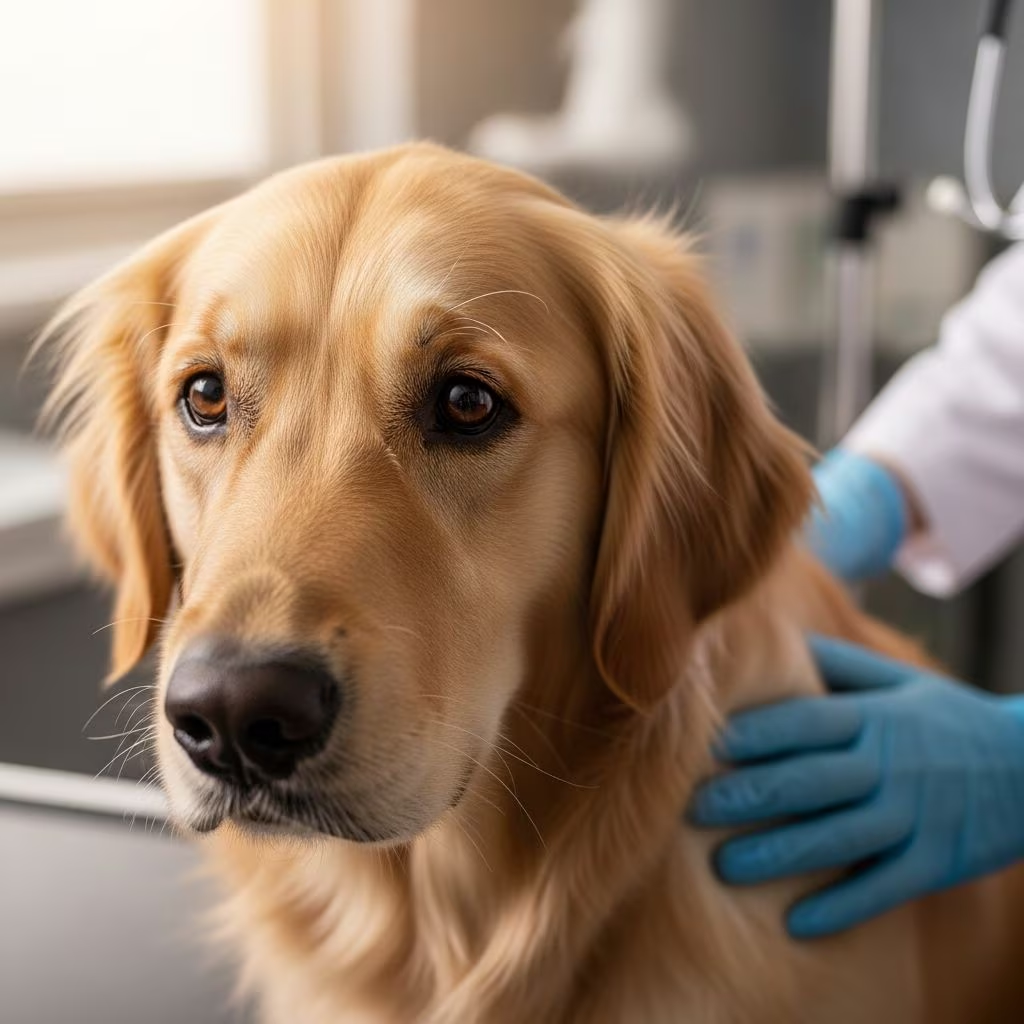
Dogs often show signs of anal discomfort through scooting, excessive licking, or chewing at their hindquarters. These behaviors stem from issues like impacted anal glands, infections, allergies, or parasites, which can cause significant pain and inflammation around the anus. Prompt identification and appropriate care can alleviate symptoms quickly and prevent recurrence.
Recognizing Signs of Anal Irritation in Dogs
Observing your dog’s behavior is key to early detection. Common indicators include dragging the rear on carpets, persistent licking or biting at the tail base, foul odor from the hind end, swelling or redness near the anus, and difficulty defecating. These symptoms may appear suddenly or build over time, often worsening without intervention.
- Scooting: A classic sign of blocked glands or itchiness, where the dog rubs its anus on surfaces to relieve pressure.
- Licking and chewing: Targets the perianal area, sometimes leading to hair loss or sores from constant irritation.
- Odor and discharge: Fishy smell or bloody, pus-like fluid signals gland problems or abscesses.
- Swelling or lumps: Visible inflammation around the anus may indicate infection or impaction.
If these signs persist beyond a day or two, professional evaluation is essential to rule out serious conditions.
Primary Causes Behind Perianal Discomfort
Anal irritation arises from multiple factors, with anal sac diseases being the most frequent. These small sacs on either side of the anus produce fluid for scent marking but can become problematic when dysfunctional.
| Cause | Description | Common Signs |
|---|---|---|
| Impacted Anal Glands | Sacs fill with thick secretion due to soft stools or inactivity, failing to empty naturally during defecation. | Scooting, licking, mild swelling. |
| Gland Infections | Bacteria invade impacted sacs, leading to pus buildup and pain. | Redness, heat, foul odor, reluctance to sit. |
| Abscesses | Infected sacs rupture, causing draining wounds. | Swelling, pus discharge, fever. |
| Allergies | Food, environmental, or flea sensitivities inflame perianal skin. | Itchiness, redness, no odor. |
| Parasites | Fleas or tapeworms irritate the hind end. | Visible pests, segments in stool. |
Other contributors include poor diet leading to loose stools, obesity reducing gland expression, and breed predispositions in small dogs like Chihuahuas or Dachshunds.
Immediate Home Remedies for Relief
While awaiting veterinary care, several gentle methods can provide comfort. Always handle the area softly to avoid worsening pain.
Warm Compresses: Soak a clean cloth in warm (not hot) water, wring it out, and hold against the anus for 5-10 minutes, 2-3 times daily. This softens debris, reduces swelling, and eases discomfort.
Gentle Cleansing: Use pet-safe wipes or a damp cloth with lukewarm water to remove feces, pus, or discharge. Pat dry afterward to prevent moisture buildup.
Pet-Safe Topicals: Apply veterinary-approved gels like those with antimicrobial properties for minor wounds. Avoid human products unless vet-recommended.
Dietary Fiber Boost: Add plain canned pumpkin (1-2 teaspoons per 10 lbs body weight) to meals to firm stools and promote natural gland emptying.
Prevent licking by using an Elizabethan collar. These steps offer symptomatic relief but do not address root causes.
Understanding Anal Gland Function and Issues
Anal glands, or sacs, are located at 4 and 8 o’clock positions around the anus. They secrete a pungent fluid during bowel movements, expressed by fecal pressure. When stools are too soft—from diet, diarrhea, or low activity—glands remain full, leading to impaction. Bacteria then proliferate, causing infection or abscesses.
Breeds with short tails or narrow hindquarters struggle more, as natural expression is hindered. Chronic cases may require ongoing management.
Veterinary Diagnosis and Treatment Options
A vet will perform a physical exam, possibly expressing glands manually. Digital rectal exam confirms impaction or masses. Cultures guide antibiotic choice for infections.
- Expression: Manual squeezing empties sacs; sedation may be needed for pain.
- Flushing: For infections, sacs are irrigated with saline and infused with antibiotics.
- Antibiotics and Pain Relief: Oral meds like amoxicillin-clavulanate treat bacteria; analgesics ease discomfort.
- Abscess Care: Drainage, cleaning with antiseptics like chlorhexidine, and systemic antibiotics.
- Surgery: Recurrent issues may warrant sac removal, though incontinence risks exist.
Medical management with immunosuppressants is preferred for fistulas over surgery.
Preventive Strategies for Long-Term Health
Proactive steps reduce recurrence. Increase dietary fiber via supplements or high-fiber foods to bulk stools. Encourage exercise for muscle tone aiding expression. Regular grooming keeps the area clean.
- Monitor weight to avoid obesity-related issues.
- Use flea preventives year-round.
- Schedule routine vet check-ups for gland expression in prone dogs.
- Consider hydrotherapy or massages for chronic cases.
Allergy testing and hypoallergenic diets help if sensitivities are suspected.
When to Seek Urgent Veterinary Help
Escalate care if symptoms include lethargy, loss of appetite, bloody discharge, inability to defecate, or abscess-like swelling. These signal severe infection or rupture needing immediate attention.
Chronic scooting despite home care warrants diagnostics for tumors or fistulas.
FAQs on Dog Anal Irritation
Q: Can I express my dog’s anal glands at home?
A: It’s risky without training; improper technique can cause injury. Leave it to vets.
Q: Is pumpkin safe for all dogs?
A: Plain, unsweetened puree is generally safe in moderation; consult your vet for quantities.
Q: How long do treatments take?
A: Acute issues resolve in days with antibiotics; chronic ones may need weeks or ongoing care.
Q: Are certain breeds more prone?
A: Yes, small breeds and those with tail docking issues face higher risks.
Q: What if my dog has allergies?
A: Flea control and elimination diets are first steps; antihistamines may help short-term.
Holistic and Supportive Care Approaches
Probiotics support gut health, improving stool quality. Omega-3 supplements reduce inflammation. Epsom salt soaks (diluted) offer additional soothing for cleaned areas, but only under guidance.
Stress reduction through routine and enrichment prevents flare-ups, as anxiety affects digestion.
References
- Perianal pruritus in the dog — Royal Canin Academy. 2023. https://academy.royalcanin.com/en/veterinary/perianal-pruritus-in-the-dog
- Anal Sac Disease in Dogs — VCA Animal Hospitals. 2024. https://vcahospitals.com/know-your-pet/anal-sac-disease-in-dogs
- How To Soothe a Dog’s Irritated Anus — Whole Dog Journal. 2023. https://www.whole-dog-journal.com/care/how-to-soothe-a-dogs-irritated-anus/
- Dog Anal Glands: Common Problems, Treatment, and Prevention — PetMD. 2024. https://www.petmd.com/dog/general-health/dog-anal-glands
- Disorders of the Rectum and Anus in Dogs — Merck Veterinary Manual. 2025. https://www.merckvetmanual.com/dog-owners/digestive-disorders-of-dogs/disorders-of-the-rectum-and-anus-in-dogs



