

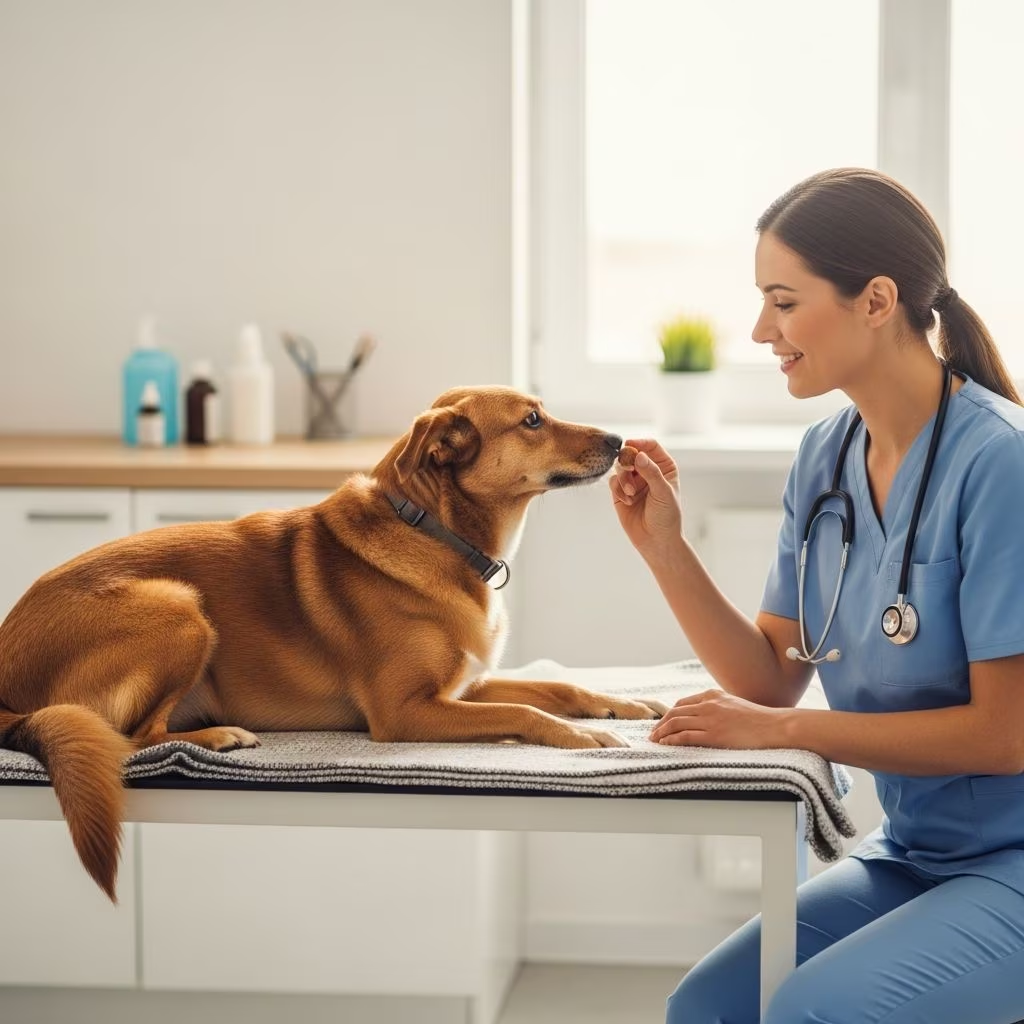
Veterinary appointments are essential for maintaining canine health, yet they often trigger intense fear in many dogs due to unfamiliar environments, handling, and sounds. Proactive preparation transforms these visits from ordeals into manageable routines, benefiting both pet and owner.
Understanding Canine Fear Responses
Dogs exhibit anxiety through specific body language cues during vet encounters. Recognizing these early allows for timely intervention. Common signs include trembling, panting, lip licking, yawning, ears pinned back, tail tucking, avoidance of eye contact, and attempts to flee or hide. These behaviors signal discomfort stemming from past negative associations or innate wariness of restraint.
Individual temperaments vary; some dogs freeze in fear while others become vocal or aggressive. Observing your dog’s unique signals builds awareness, enabling tailored calming strategies. Veterinary teams trained in low-stress handling interpret these cues to adjust their approach dynamically.
Building Foundational Comfort at Home
Desensitization begins in the safety of home, gradually acclimating dogs to exam-like procedures. Start with brief, positive sessions mimicking vet touches to foster acceptance.
- Paw and Nail Handling: Gently massage paws, spread toes, and simulate nail trims using treats as rewards.
- Ear and Mouth Inspection: Reward tolerance while peering into ears and lifting lips to view teeth.
- Body Restraint Practice: Hold collar loosely, run hands along belly, back, and tail while praising calm demeanor.
- Table Simulation: Use a sturdy elevated surface to practice standing or sitting with support, gradually increasing duration.
Consistency is key; daily 5-minute sessions prevent overwhelm. Involve family members to habituate dogs to varied handling styles, reducing sensitivity to strangers’ touches. This preparation minimizes defensive reactions during actual exams.
Mastering Travel and Carrier Training
Car rides and carriers often precede anxiety, so positive conditioning is crucial. For carrier users, position it in a cozy home spot with bedding, toys, and meals to create appeal.
- Leave door open for voluntary entry, sprinkling high-value treats inside.
- Progress to short confinements paired with playtime upon exit.
- Avoid carrier association solely with departures by using it for naps.
For car travel, initiate brief joy rides ending in parks or treats, countering negative links. Secure leashes or harnesses prevent escapes, and familiar blankets provide scent comfort. Practice routes to the clinic without entering to normalize proximity.
Socialization for Clinic Confidence
Vet clinics buzz with novel stimuli: scents, voices, equipment hums. Controlled pre-exposure builds resilience.
- Introduce household sounds like vacuums or doorbells at low volumes, associating with rewards.
- Arrange calm meetings with vaccinated dogs and diverse people in neutral settings.
- Visit empty clinics during off-hours for scent familiarization without full immersion.
Gradual progression prevents flooding, where excessive exposure heightens fear. Positive reinforcement ensures new encounters predict good outcomes.
Strategic Appointment Planning
Timing influences success. Opt for early morning or midday slots when clinics are quieter, requesting this when booking. Arrive 10-15 minutes early for ambient adjustment.
Compile records in advance: vaccination history, medications, behavioral notes. Online forms streamline check-in. Pack essentials:
| Item | Purpose |
|---|---|
| High-value soft treats | Quick rewards for calm behavior |
| Favorite toy or blanket | Scent-based security |
| Leash/harness | Secure control |
| Frozen lick mat or Kong | Ongoing distraction |
These tools redirect focus amid stressors.
Leveraging Treats and Positive Reinforcement
High-reward edibles bridge anxiety gaps. Offer upon arrival, during handling, and post-visit to reframe the event positively. Soft varieties suit tense moments when chewing is challenging. If refusal occurs, stress peaks—pause for decompression.
Layer distractions: smear spreads on lick mats for prolonged engagement, allowing vets unobstructed access.
Role of Calming Aids and Medications
For severe cases, consult vets on anti-anxiety options. Administer prescribed meds at home 1-2 hours prior in familiar surroundings for optimal efficacy, as stress can blunt effects given on-site. Natural aids like pheromone collars or calming chews complement training for mild anxiety.
During the Visit: Partnering with the Team
Stay composed—dogs mirror owner tension. Feed treats as directed, providing physical support without over-restraining. Request breaks if overload signs appear, using quiet rooms if available. Post-exam, immediate praise reinforces completion.
Long-Term Strategies for Routine Visits
Frequent low-stakes check-ins erode fear over time. Wellness plans with bi-annual visits normalize attendance. Track progress in a journal, adjusting tactics as confidence grows. Professional behaviorists offer advanced protocols for persistent phobia.
Common Pitfalls to Avoid
- Rushing desensitization, leading to setbacks.
- Comforting anxious behaviors, inadvertently reinforcing them.
- Ignoring clinic policies on late arrivals or unprepared pets.
- Overlooking dietary restrictions for treats/meds.
FAQs
What if my dog refuses treats at the vet?
This indicates high stress; request a pause, dim lights, or vet adjustments until appetite returns.
Can puppies be trained for future visits?
Yes, start at 8 weeks with gentle handling and socialization for lifelong ease.
Are anxiety wraps effective?
They provide proprioceptive comfort for some dogs; trial at home first.
How often should I practice handling?
Daily short sessions yield best results without fatigue.
What breeds are most prone to vet fear?
Traits like high sensitivity (e.g., herding breeds) correlate, but training overrides genetics.
References
- How to make veterinary visits less stressful for dogs — Cornell University College of Veterinary Medicine. 2023. https://www.vet.cornell.edu/departments-centers-and-institutes/riney-canine-health-center/canine-health-topics/how-make-veterinary-visits-less-stressful-dogs
- How to prepare your pet for a low-stress vet visit — Colorado State University College of Veterinary Medicine & Biomedical Sciences. 2023. https://cvmbs.source.colostate.edu/how-to-prepare-your-pet-for-a-low-stress-vet-visit/
- Preparing your pet for a successful veterinary visit — American Animal Hospital Association (AAHA). 2024. https://www.aaha.org/resources/preparing-your-pet-for-a-successful-veterinary-visit/
- Ways to make veterinary visits better for everyone — American Veterinary Medical Association (AVMA). 2024. https://www.avma.org/resources/pet-owners/yourvet/10-things-you-can-do-make-veterinary-visits-better-everyone
- How Pet Owners Can Prepare Their Puppies for a Veterinary Visit — MPA Veterinary Hospital. 2023. https://mpahvets.com/blog/prepare-puppy-for-veterinary-visit/



