

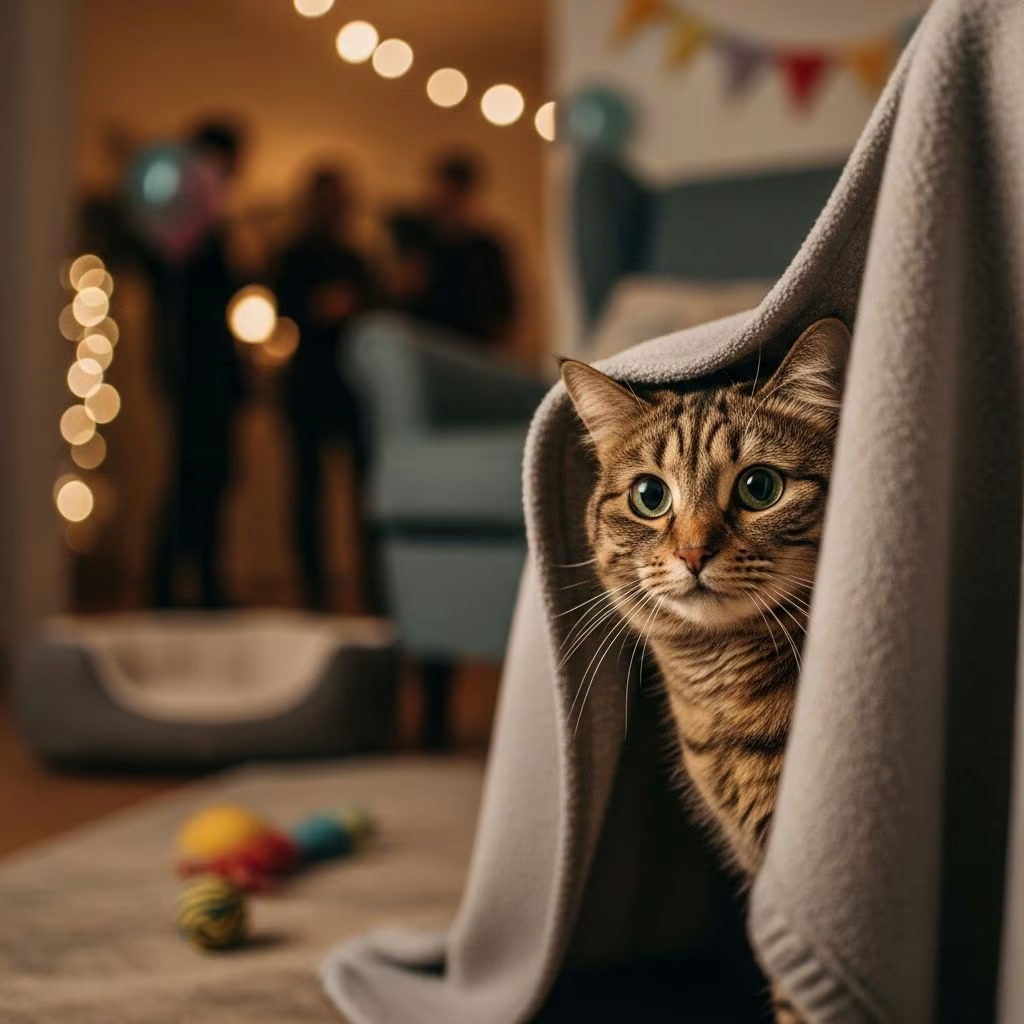
Many cat owners love hosting friends and family, but these lively occasions can turn into ordeals for timid felines who prefer solitude. Shy cats often retreat to hidden corners during such times, signaling discomfort through subtle cues. Understanding their instincts and implementing thoughtful preparations can transform these events into manageable experiences for everyone.
Recognizing Signs of Feline Discomfort
Cats express unease in distinct ways that attentive owners can learn to spot early. A lowered tail with a hooked tip, flattened ears, or crouched posture indicates rising tension. These behaviors stem from an innate wariness of unfamiliar stimuli, such as crowds or sudden sounds, which mimic potential threats in the wild.
- Body language alerts: Dilated pupils, twitching whiskers, or freezing in place often precede hiding.
- Vocal hints: Low growls or hissing serve as warnings to back off.
- Physical retreats: Seeking elevated perches or tight spaces shows a need for security.
Observing these signals allows proactive intervention, preventing escalation to more intense reactions like scratching or fleeing.
Creating Secure Retreat Zones
One foundational step involves designating quiet areas where your cat feels protected. These sanctuaries should include essentials like fresh water, a clean litter box, and comforting bedding to mimic their usual routine.
| Essential Item | Purpose | Tips for Setup |
|---|---|---|
| Litter box | Maintains hygiene habits | Place in low-traffic corner; use familiar litter |
| Food and water | Supports normal eating | Elevate bowls to reduce spills; offer favorites |
| Bedding or blanket | Provides scent comfort | Use items with your scent for reassurance |
| Toys or scratching post | Encourages distraction | Include interactive puzzles for mental engagement |
Close off guest-frequented rooms, directing visitors away from these spots. For extreme cases, a separate bathroom or spare room works well, ensuring door access only for you.
Pre-Event Familiarization Routines
Days before guests arrive, simulate event conditions to desensitize your cat. Rearrange furniture, play moderate crowd noises from recordings, and introduce party scents like food aromas gradually. This exposure builds familiarity, reducing the shock of real chaos.
- Start with short sessions of ambient sounds at low volume.
- Allow supervised exploration of decorated areas.
- Pair new elements with positive rewards, such as treats or playtime.
Such methods leverage classical conditioning, associating potential stressors with pleasant outcomes over time.
Building Social Confidence Over Time
Socialization during kittenhood sets a strong foundation, but adults benefit from structured exercises too. Enlist calm friends to sit quietly at a distance, rewarding your cat for calm proximity with high-value treats. Gradually close the gap across sessions, always respecting retreat signals.
Key principles include:
- Patience: Progress at your cat’s pace to avoid setbacks.
- Consistency: Repeat exposures regularly for lasting adaptation.
- Positive reinforcement: Use food lures or toys to encourage approach.
This counter-conditioning rewires fear responses, fostering tolerance for varied human presence.
Guest Management During the Event
Communicate boundaries clearly to invitees. Request soft voices, no sudden grabs, and avoidance of direct stares, which cats perceive as challenges. Children especially need supervision to prevent overwhelming advances.
Pro tips for hosts:
- Brief guests upon arrival about your cat’s needs.
- Ignore the cat entirely if hiding; forcing interaction heightens fear.
- Provide distractions like seated games to minimize roaming.
Opt for noiseless activities—skip balloons or fireworks—to keep volume in check.
Advanced Calming Techniques
For persistently anxious cats, consider pheromone diffusers that mimic soothing maternal scents, plugged in days ahead. Calming collars or supplements with ingredients like L-theanine offer additional support, but consult a vet first.
Post-event decompression involves extra affection and quiet time, monitoring for lingering effects like appetite loss, which might warrant professional advice.
Long-Term Strategies for Confident Cats
Beyond single events, integrate variety into daily life. Host low-key visits, expose to diverse people types (e.g., bearded men, toddlers), and use carrier training for outings. These build resilience against unpredictability.
Tracking progress in a journal helps identify patterns and effective tactics tailored to your cat.
Frequently Asked Questions
Can all cats adapt to social gatherings?
While many improve with training, some personalities remain homebodies. Respect individual limits to preserve well-being.
What if my cat shows aggression during events?
Separate immediately and reassess desensitization. Veterinary behaviorists can diagnose underlying issues.
How young should socialization start?
Ideal window is 2-7 weeks, but consistent efforts work wonders at any age.
Are there products to ease cat stress?
Yes, pheromone products and calming treats aid many, backed by veterinary recommendations.
Should I medicate my anxious cat?
Only under vet guidance; short-term options exist for severe cases alongside behavioral plans.
By prioritizing empathy and preparation, you empower your shy cat to coexist with home festivities more peacefully. Consistent application of these approaches not only reduces immediate stress but cultivates a more adaptable companion long-term.
References
- Guide to Socializing Shy, Frightened, or Traumatized Cats — Austin Pets Alive. 2023. https://americanpetsalive.org/uploads/resources/Austin-Pets-Alive-Guide-to-Socializing-Cats-52F6.pdf
- Why Is My Cat Shy Around Strangers? Tips for Anxious Cats — Best Friends Animal Society. 2024-10-15. https://bestfriends.org/pet-care-resources/why-my-cat-shy-around-strangers-tips-anxious-cats
- Cat Stressed Around People — Dial a Vet. 2024. https://www.dialavet.com/vet-answers/cat-stressed-around-people-184932
- How to Help Your Introverted Cat When You Have Guests Over — Point Vicente Veterinary Hospital. 2023-12-01. https://www.pointvicentevet.com/services/cats/blog/how-help-your-introverted-cat-when-you-have-guests-over
- Cats and Meeting Other People — Cats Protection (official UK cat welfare charity). 2025-01-20. https://www.cats.org.uk/help-and-advice/cats-and-your-family/meeting-other-people



