

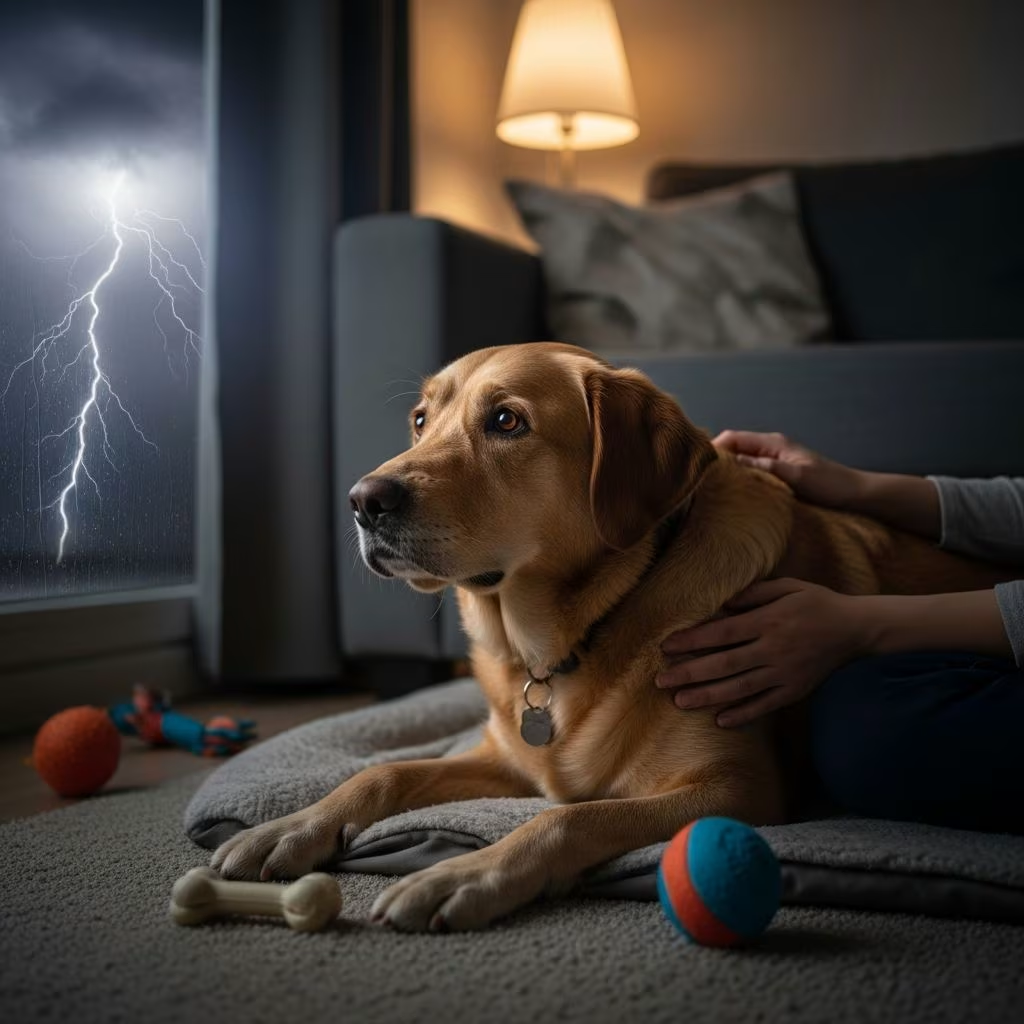
Pets often tremble, hide, or exhibit destructive behaviors during thunderstorms or fireworks due to heightened sensitivity to loud sounds, flashes, and pressure changes. Understanding these reactions allows owners to implement targeted relief methods that promote relaxation and long-term resilience.
Why Pets Dread Sudden Noises
Storm phobia in pets stems from an acute response to multiple cues beyond just thunderclaps, including barometric shifts, static electricity, and visual lightning. Dogs and cats may pace, whine, or seek confinement as survival instincts kick in against perceived threats.
Genetic factors play a role, with breeds like herding dogs showing higher susceptibility. Early life experiences, such as isolation during storms, can amplify fears. Recognizing signs like panting, drooling, or escape attempts early enables proactive care.
Creating Secure Retreat Zones
Designate a quiet, interior area shielded from windows and external stimuli to serve as a sanctuary. Options include covered crates, bathrooms, or closets stocked with familiar bedding and toys.
- Cover crates with heavy blankets to muffle sounds and block light.
- Add soft furnishings for tactile comfort.
- Ensure access to water and eliminate hazards.
These spaces reduce sensory overload, helping pets self-soothe. Owners report quicker calming when pets retreat voluntarily.
Sound-Masking Techniques
Counteract thunder with competing noises to desensitize auditory triggers. White noise machines, fans, or television broadcasts dilute storm rumbles effectively.
| Method | Benefits | Implementation Tips |
|---|---|---|
| White Noise Devices | Masks low-frequency booms | Position near retreat; start at moderate volume |
| Calming Playlists | Promotes relaxation via rhythm | Use apps with classical or nature sounds |
| Household Fans | Simple, always available | Combine with closed doors for amplification |
For severe cases, veterinary-grade ear protection like foam plugs or noise-canceling headsets prevents sound penetration without discomfort.
Body Pressure and Comfort Tools
Garments applying steady compression mimic maternal hugging, signaling safety to the nervous system. Products such as anxiety wraps achieve success rates up to 89% in initial trials for storm events.
- Select adjustable fits to avoid restriction.
- Introduce during calm periods for familiarity.
- Pair with positive reinforcement like treats.
Pheromone diffusers or collars release synthetic appeasing signals, proven to lower stress hormones in clinical settings.
Nutritional and Supplemental Aids
Over-the-counter options provide mild sedation or anxiety buffering. Benadryl offers short-term drowsiness, while chews containing L-theanine or colostrum support composure.
Consult vets before use to match dosages to pet weight and health. Long-term supplements build baseline calm ahead of peak seasons.
Desensitization Training Protocols
Gradual exposure paired with rewards rewires fear associations. Begin with faint storm recordings during relaxed sessions.
- Play audio at whisper levels with high-value treats.
- Increase volume incrementally over days.
- Maintain 5-10 minute daily practices.
- Progress to combined cues like rain plus thunder.
Consistency yields results in weeks, reducing panic intensity. Professional behaviorists enhance outcomes for stubborn cases.
Veterinary Medications for Intense Fears
For pets with debilitating responses, prescriptions target neurotransmitters. Fast-acting benzodiazepines like alprazolam activate 30-60 minutes prior to storms.
Maintenance drugs such as fluoxetine (SSRIs) or clomipramine stabilize mood when dosed weeks before stormy periods. Sileo, an FDA-approved oral gel, specifically addresses noise aversions.
| Medication Type | Onset | Use Case | Vet Oversight |
|---|---|---|---|
| Benzodiazepines | 30-60 min | Acute events | Required |
| SSRIs (e.g., Fluoxetine) | Weeks | Chronic prevention | Essential |
| Sileo Gel | Rapid | Noise-specific | Prescription only |
Monitor for side effects and taper as advised. Combine with non-drug methods for holistic management.
Owner Behavior During Episodes
Maintain neutral demeanor to avoid signaling danger. Engage in low-key activities like puzzle toys filled with kibble to redirect focus.
Pre-storm exercise depletes energy, curbing hyperactivity. Post-event reassurance without coddling prevents reinforcement of anxiety.
Holistic and Preventive Strategies
Melatonin supplements induce drowsiness naturally. TTouch therapy—gentle circular massages—eases tension through acupressure points.
Track weather apps for advance preparation. Annual vet checkups assess phobia progression and adjust plans.
Frequently Asked Questions
Can comforting a scared pet worsen the fear?
No, gentle presence reassures without reinforcing phobia when done calmly. Punishment or over-excitement harms more.
How long does desensitization take?
Progress varies; mild cases improve in 2-4 weeks with daily practice. Severe phobias may need months and professional input.
Are anxiety vests safe for all pets?
Yes, for most, but monitor for overheating or distress. Not a standalone cure but excels in combination therapies.
What if home remedies fail?
Seek veterinary behaviorists for tailored meds and protocols. Early intervention prevents escalation.
Do cats experience storm anxiety similarly?
Yes, though subtler—hiding or vocalizing. Same strategies apply with cat-specific sizing for tools.
Monitoring Progress and Adjustments
Log reactions pre- and post-interventions using apps or journals. Adjust based on trends, consulting vets quarterly during high-risk seasons.
Success metrics include shorter panic durations and voluntary retreat use. Celebrate incremental wins to sustain motivation.
References
- How to Calm a Dog During Thunderstorms: Treating Storm Anxiety in Dogs — CVC Boca. 2023. https://www.cvcboca.com/how-to-calm-a-dog-during-thunderstorms-treating-storm-anxiety-in-dogs/
- What Can I Give My Dog for Anxiety? Firework & Storm Meds for Dogs — Embrace Pet Insurance. 2024. https://www.embracepetinsurance.com/waterbowl/article/medicating-for-storm-and-fireworks-phobia
- Noise and Storm Phobias and Anxiety in Dogs — Today’s Veterinary Practice. 2023. https://todaysveterinarypractice.com/behavior/noise-storm-phobias-anxiety-in-dogs/
- Thunderstorm Phobias in Dogs: How to Manage Dog Storm Anxiety — PetMD. 2024. https://www.petmd.com/dog/conditions/behavioral/c_dg_thunderstorm_phobias
- Pet Storm Anxiety Help — Metairie Vets. 2025-10-04. https://metairievets.com/2025/10/04/pet-storm-anxiety/
- Helping Dogs with Severe Phobias During Storms and Fireworks — VCA Animal Hospitals. 2023. https://vcahospitals.com/know-your-pet/helping-dogs-with-severe-phobias-during-storms-and-fireworks



