
Easing Your Dog’s Fear of Loud Noises
Discover proven strategies to comfort noise-sensitive dogs during fireworks, storms, and other startling events for a calmer life together.
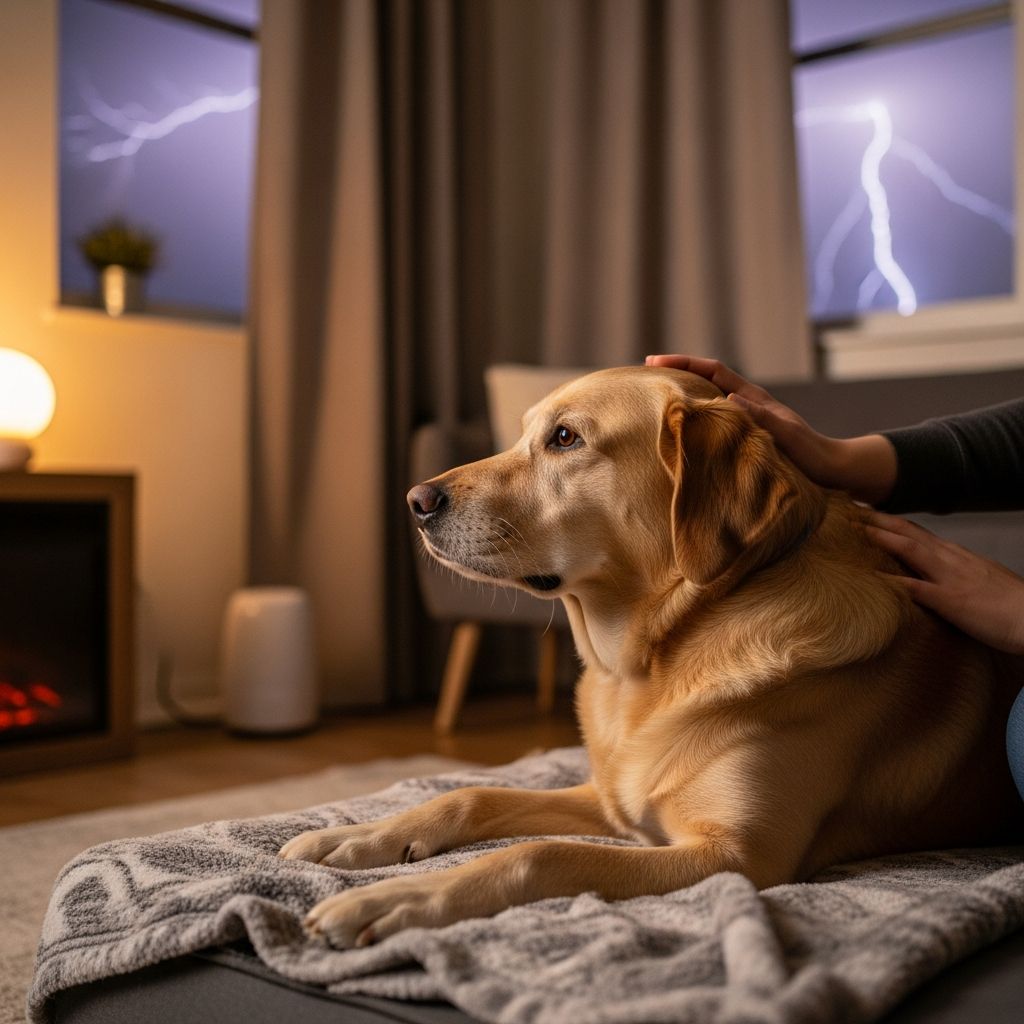
Loud sounds such as thunderstorms, fireworks, or construction noise can trigger intense fear in many dogs, leading to trembling, hiding, or destructive behavior. This noise phobia affects up to 30% of dogs and worsens without intervention, but a combination of environmental adjustments, behavior training, and veterinary-approved treatments can significantly reduce symptoms and improve quality of life.
Recognizing Signs of Noise Sensitivity in Dogs
Dogs exhibit noise phobia through visible distress signals. Common indicators include pacing, panting, drooling, whining, attempts to escape, or gastrointestinal upset like vomiting during loud events. These reactions stem from the dog’s inability to predict or control the noise, activating a fight-or-flight response. Early detection is crucial, as untreated fears can generalize to other situations, escalating into broader anxiety disorders.
- Trembling or shaking: Often the first physical sign of rising panic.
- Destruction: Chewing doors or windows in desperation to flee.
- Hide-seeking: Cramming into small spaces like closets or under furniture.
- Vocalizing: Excessive barking, howling, or whimpering.
Observe your dog’s baseline behavior to distinguish normal caution from phobia. Mild wariness might pass, but phobic responses persist and intensify over repeated exposures.
Creating a Secure Environment for Anxious Dogs
Start with simple home modifications to buffer noise exposure. Move your dog to an interior room away from windows, close curtains to dim lightning flashes, and play calming white noise or soft classical music to mask disruptive sounds. These steps reduce sensory overload without confronting the fear directly.
Designate a
safe haven
, such as a covered crate lined with soft bedding and favorite toys. This mimics a den, providing psychological comfort. Add pheromone diffusers like Adaptil, which release synthetic appeasing pheromones to promote relaxation, though they work best alongside other methods.| Environmental Strategy | Benefits | Implementation Tips |
|---|---|---|
| Soundproofing | Muffles external noises | Use heavy drapes, rugs, or foam panels on walls |
| White Noise Machines | Drowns out triggers | Set volume just above ambient noise; apps available |
| Safe Space Setup | Reduces exposure | Include chew toys, water; avoid forcing entry |
| Pheromone Products | Calms via scent |
While effective for mild cases, environmental management alone rarely suffices for severe phobias, serving instead as a foundation for more targeted therapies.
Desensitization and Counterconditioning Techniques
**Systematic desensitization** involves gradual exposure to recorded noise triggers at volumes too low to provoke fear, slowly increasing intensity over sessions. Pair this with
counterconditioning
, where you offer high-value treats or play to create positive associations.Begin in a quiet space: Play thunderstorm audio at 10% volume for 5 minutes while rewarding calm behavior. If no stress signs appear, increment by 10% next session. Commercial CDs, apps, or tools like the Canine Noise Phobia Series combine fading sounds with soothing music and protocols for proactive prevention.
- Record baseline: Note triggers and reactions.
- Prepare hierarchy: List noise levels from tolerable to intense.
- Pair with rewards: Use peanut butter, toys during play.
- Session length: 10-15 minutes, 3-5 times weekly.
- Monitor progress: Advance only if calm maintained.
Success rates improve when starting young or pre-phobia development. Consistency is key; interruptions can regress gains. Consult a certified trainer for complex cases.
Veterinary Medications for Acute Relief
For immediate events, medications provide rapid calming without full sedation.
Dexmedetomidine oromucosal gel (Sileo®)
, FDA-approved for noise aversion, applies to gums 30-60 minutes before anticipated noise, lasting 2-3 hours. Clinical trials show 75% of treated dogs had excellent/good responses versus 33% on placebo.Other options include
clonidine
,trazodone
, andimepitoin (Pexion®)
, also FDA-approved. Benzodiazepines like alprazolam (0.02-0.04 mg/kg) offer as-needed panic relief but risk tolerance buildup.- Dosing flexibility: Repeat up to 5 times per event if needed.
- Side effects: Mild, like pale gums or emesis (4.4%).
- Combination use: Pair with behavior mod for synergy.
Always secure a vet prescription; dosages vary by weight and severity. Early intervention prevents phobia entrenchment.
Long-Term Management with Daily Medications
Severe or comorbid anxieties benefit from maintenance drugs like
SSRIs (fluoxetine)
orTCAs (clomipramine, amitriptyline 1-2 mg/kg BID)
, raising the fear threshold over 4-6 weeks. These non-sedating options allow normal activity while addressing root anxiety.For dogs with noise plus separation issues, daily therapy prevents generalization. Assess after 30 days; adjust as needed. Propranolol or melatonin aids adjunctively for heart rate/sleep regulation.
Integrating Multiple Approaches for Best Results
No single method cures noise phobia; layered strategies yield optimal outcomes. Combine environment tweaks (50% reduction in mild cases), desensitization (effective in 60-70% with consistency), and meds (80% acute success). Track via journals: rate anxiety 1-10 pre/post-intervention.
Prognosis excels with prompt, multimodal care. Prevent by exposing puppies to varied sounds positively.
Frequently Asked Questions (FAQs)
Can all dogs be desensitized to noises?
Most respond well, but severe cases may need lifelong management. Success hinges on patience and professional guidance.
Is medication safe long-term?
Yes, under vet supervision; monitor for side effects and taper appropriately.
What if my dog panics during training?
Stop immediately, lower volume, and use counterconditioning. Meds can bridge gaps.
How soon do results appear?
Desensitization: weeks; meds: 30-60 minutes acute, 4 weeks daily.
Are natural supplements effective?
Limited evidence; use as adjuncts, not replacements.
Professional Help: When to Seek Experts
If DIY fails or symptoms worsen, consult veterinary behaviorists. They tailor protocols, ruling out medical issues like pain exacerbating fears. Certifications like DACVB ensure evidence-based care.
References
- Noise Aversion: Stop the Suffering with Early Diagnosis and Treatment — Today’s Veterinary Practice. 2023. https://todaysveterinarypractice.com/sponsored/noise-aversion-stop-the-suffering-with-early-diagnosis-and-treatment/
- Noise reactivities and phobias in dogs: Implementing effective drug therapy — dvm360. 2023. https://www.dvm360.com/view/noise-reactivities-and-phobias-dogs-implementing-effective-drug-therapy
- Canine Noise Phobia Series — Positively.com. 2023. https://positively.com/dog-training/article/stress-fear-phobia-canine-noise-phobia-series
- Fear of Noises in Dogs — VCA Animal Hospitals. 2023. https://vcahospitals.com/know-your-pet/fear-of-noises-and-places-in-dogs
- Protocol for treating canine noise/storm phobias — Karen Overall. 2020-06. https://www.karenoverall.com/wp-content/uploads/2020/06/Protocol-for-treating-canine-noise-storm-phobias_Overall.pdf
Similar Articles








Read full bio of Sneha Tete




