
Easing Dog Travel Stress: Anxiety and Motion Sickness Solutions
Discover proven strategies to help your dog conquer travel fears, prevent carsickness, and enjoy road trips with confidence and comfort.
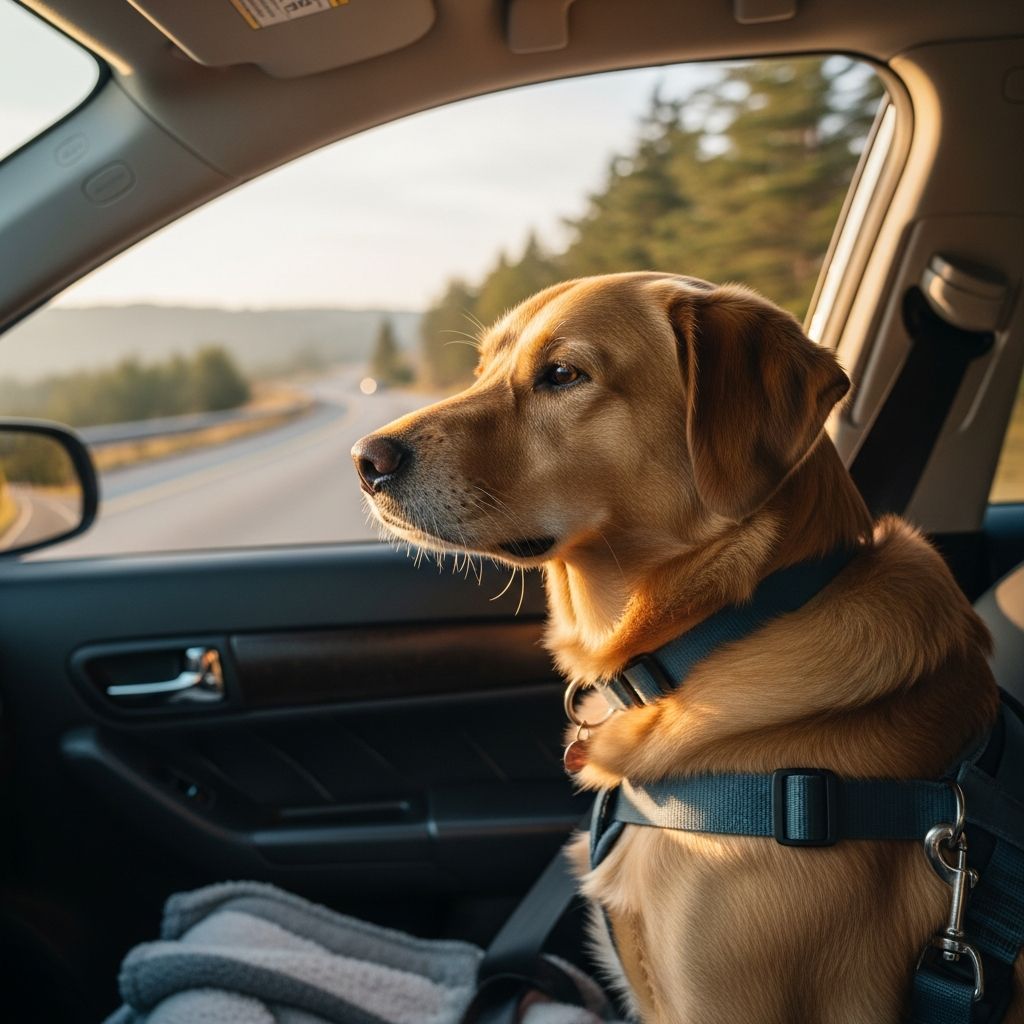
Dogs often dread car rides due to anxiety or motion sickness, leading to whining, drooling, vomiting, or trembling. Effective preparation combines gradual training, environmental adjustments, and supportive tools to transform travel into a positive experience.
Recognizing Signs of Travel Distress in Dogs
Identifying distress early allows timely intervention. Common indicators include panting, pacing, excessive barking, or attempts to escape the vehicle. Motion sickness manifests as drooling, vomiting, or lethargy, often worsening with prolonged motion.
- Anxiety signals: Whining, shaking, dilated pupils, or hiding.
- Carsickness symptoms: Yawning, lip-licking, retching, or pale gums.
- Behavioral cues: Refusal to enter the car or destructive actions during rides.
These reactions stem from unfamiliar motion, confinement, or negative past associations like vet visits.
Building Positive Car Associations Through Desensitization
Desensitization involves slowly exposing your dog to the car in non-threatening ways, pairing it with rewards to rewire fearful responses.
- Start stationary: Sit in the parked car with doors open, offering treats and praise for calm behavior.
- Progress to engine on: Run the engine briefly while feeding high-value treats like chicken or cheese.
- Short drives: Begin with 1-2 minute trips around the block, gradually extending time and distance over weeks.
Drive to enjoyable destinations like parks or beaches to link cars with fun, countering negative memories. Consistency is key; daily sessions yield faster results.
Essential Safety Gear for Secure Travel
Proper restraints prevent injury and reduce anxiety by providing stability. Options include harnesses, crates, or seatbelt attachments rated for crash protection.
| Gear Type | Best For | Key Benefits |
|---|---|---|
| Crash-tested harness | Large breeds | Restricts movement, allows seatbelt use |
| Wire crate | Medium dogs | Secure enclosure, familiar den-like space |
| Soft carrier | Small pups | Portable, lightweight for airlines |
| Anxiety wrap | All sizes | Swaddling pressure mimics comforting hugs |
Secure crates to prevent sliding; cover with breathable towels to block visual stimuli.
Natural Remedies to Soothe Nerves
Non-pharmacological aids offer gentle relief without side effects. Always test at home first and consult a vet.
- Aromatherapy: Lavender or chamomile scents in fabric sachets calm via soothing olfactory signals.
- Pheromone collars: Products like Adaptil release synthetic appeasing pheromones mimicking nursing mothers.
- Calming music: Classical playlists or heartbeat recordings lower heart rates during transit.
- CBD treats: Vet-approved doses may reduce stress; verify legality and quality.
Combine with familiar blankets or toys carrying home scents for added security.
Managing Motion Sickness Effectively
Carsickness arises from inner ear-fluid imbalance, treatable through prevention and habituation.
- Withhold food: Skip meals 4-6 hours pre-trip but provide water; light snacks post-short drives.
- Positioning: Front-seat views minimize disorientation; avoid rear-facing crates.
- Acupressure bands: Wristbands target nausea points, though evidence varies.
- Ginger supplements: Small doses aid digestion; human-grade chews work well.
Frequent 15-30 minute stops for walks and hydration prevent escalation.
Pre-Trip Conditioning Routines
Begin preparation 2-4 weeks ahead to build tolerance.
- Crate acclimation: Leave door open with bedding and toys; feed meals inside, closing door progressively.
- Exercise boost: Long walks or fetch sessions tire dogs, releasing endorphins to buffer stress.
- Routine maintenance: Stick to feeding/walking schedules amid packing chaos.
Your calm demeanor influences them; use upbeat tones and avoid tense farewells.
Veterinary Interventions for Severe Cases
For persistent issues, vets may prescribe anti-anxiety meds like trazodone or Cerenia for nausea, dosed by weight.
- Trial runs ensure tolerance.
- Combine with behavioral methods for lasting change.
- Rule out medical causes like ear infections via exam.
Over-the-counter options like Benadryl suit mild cases but require dosing guidance.
Packing and On-the-Road Essentials
A well-stocked kit ensures comfort.
- Food, portable bowls, vaccination records.
- Water, waste bags, enzymatic cleaners for accidents.
- Puzzle toys with kibble for distraction.
- Cooling mats, window shades for temperature control.
Plan pet-friendly stops; apps list rest areas with green spaces.
Alternative Travel Modes for Anxious Dogs
If cars prove too challenging, consider trains, ferries, or professional pet transporters. Air travel demands FAA-approved crates and sedation protocols.
Long-Term Strategies for Frequent Travelers
Seasoned road dogs benefit from ongoing micro-trips and gear rotation. Track progress in a journal to refine techniques.
Frequently Asked Questions
Can puppies develop travel anxiety?
Yes, early exposure shapes lifelong attitudes; start conditioning at 8 weeks.
How long until desensitization works?
Typically 2-6 weeks with daily practice; patience varies by dog.
Is medication safe for all dogs?
No, vet assessment needed for breed, age, health interactions.
What if my dog vomits despite precautions?
Clean promptly, use anti-nausea meds, ensure ventilation.
Are pheromone products effective?
Studies show moderate success for mild-moderate anxiety.
References
- How To Treat Dog Travel Anxiety — Pet Movers. 2023. https://www.petmovers.com/how-to-treat-dog-travel-anxiety/
- Vet Approved Guide: How to Relieve Dog Travel Anxiety in 2025 — Ask A Vet. 2025. https://askavet.com/blogs/news/vet-approved-guide-how-to-relieve-dog-travel-anxiety-in-2025-%F0%9F%90%B6%F0%9F%90%BE
- How to Relieve Travel Anxiety and Stress in Dogs — FitBark. 2024. https://www.fitbark.com/blog/how-to-relieve-travel-anxiety-and-stress-in-dogs/
- Dog Travel Anxiety: Prevention, Treatment, and More — Bond Vet. 2024. https://bondvet.com/blog/dog-car-anxiety
- 7 Proven Ways to Calm Your Anxious Dog — Central California SPCA. 2023. https://ccspca.com/blog-spca/education/anxious-dog/
- How to Relieve Dog Car Anxiety and Fear of Car Rides — Best Friends Animal Society. 2024. https://bestfriends.org/pet-care-resources/how-relieve-dog-car-anxiety-and-fear-car-rides
- 10 Ways to Calm Your Dog Naturally — PetMD. 2025-01-15. https://www.petmd.com/dog/general-health/how-to-calm-your-dog-naturally
Similar Articles








Read full bio of Sneha Tete




