

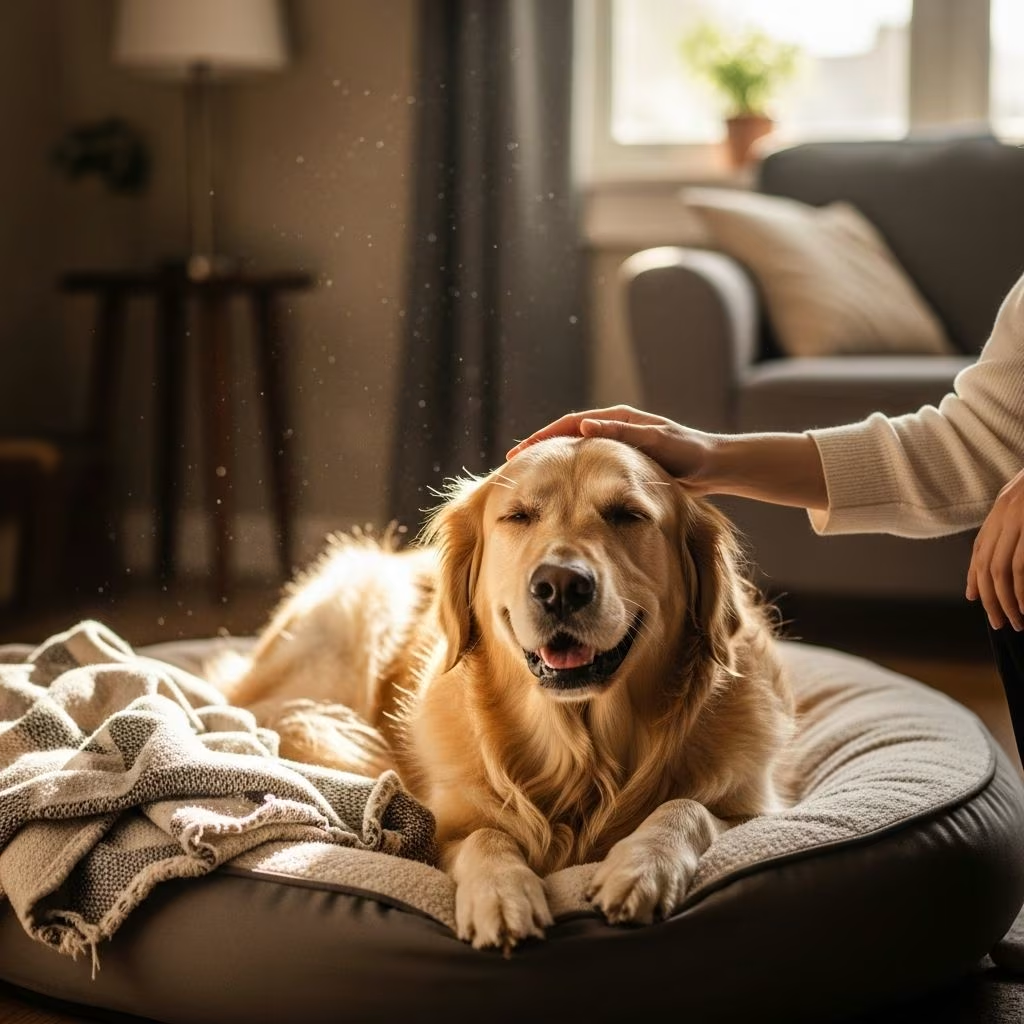
Dog separation anxiety manifests as intense distress when pets are parted from their owners, leading to problematic behaviors that affect both the animal and household. This condition, prevalent among dogs, demands proactive intervention through recognition, comprehension of triggers, and tailored solutions.
Recognizing the Signs of Distress in Dogs
Owners often notice unusual patterns when leaving home, signaling underlying emotional turmoil. Key indicators emerge specifically during absences or in anticipation of departures, distinguishing this from routine misbehavior.
- Excessive vocalization: Persistent barking, howling, or whining that starts soon after the owner leaves and continues unabated.
- Destructive actions: Chewing furniture, scratching doors, or ripping apart objects, frequently targeting exit points like windows or entryways.
- Indoor elimination: Urination or defecation inside the home by otherwise house-trained dogs, occurring shortly after being left alone.
- Restless movements: Pacing back and forth, inability to settle, or frantic circling that may wear down paws or lead to exhaustion.
- Physical symptoms: Drooling, panting heavily, trembling, or self-injury from excessive licking or chewing on paws.
These behaviors typically intensify right after departure and subside upon return, often accompanied by overly enthusiastic greetings. Video monitoring homes reveals the full scope, as signs might not be audible from outside.
Unpacking the Root Causes
Several factors contribute to this anxiety disorder, blending genetic tendencies with environmental shifts. Understanding origins aids in crafting effective countermeasures.
| Cause Category | Description | Examples |
|---|---|---|
| Life Transitions | Major changes disrupting routine and security | New home, family addition like a baby, loss of a companion animal |
| Past Experiences | Traumatic events fostering fear of solitude | Abandonment, prolonged isolation, veterinary stays |
| Genetic Factors | Inherited predisposition to anxious responses | Breeds prone to clinginess or certain lineages |
| Health Influences | Underlying conditions exacerbating stress | Thyroid issues, cognitive decline in seniors |
Dogs unused to alone time, especially rescues or puppies from crowded litters, prove particularly susceptible. Sudden schedule alterations, like increased work hours, can trigger onset even in stable pets.
Professional Evaluation and Differential Diagnosis
Not all mischief equates to anxiety; veterinary assessment rules out medical or training deficits. Conditions mimicking symptoms include urinary infections, gastrointestinal woes, or age-related cognitive dysfunction.
- Consult a veterinarian for physical exams and bloodwork to exclude thyroid imbalances or pain.
- Observe pre-departure cues: dogs shadowing owners room-to-room or panicking at key-jingling.
- Differentiate from boredom: anxious destruction focuses on escape routes, not random play.
Behaviorists or certified trainers provide video analysis for precise diagnosis, ensuring interventions target true separation distress.
Building Independence Through Training
Gradual desensitization forms the cornerstone, teaching dogs that departures predict positive outcomes without panic. Consistency across household members prevents mixed signals.
Step-by-Step Desensitization Protocol
- Neutralize departure cues: Perform grab-and-go routines like picking up keys multiple times daily without leaving, pairing with treats.
- Short absences practice: Exit for seconds, return calmly before distress begins, rewarding quiet behavior.
- Extend durations: Incrementally build to hours, using a counter for meals to associate alone time with positivity.
- Incorporate relaxation: Train ‘settle’ commands with toys or chews that activate only during absences.
Avoid dramatic farewells or reunions; bland exits and entries reinforce normalcy. Crate training, if positive, offers a secure haven but never as punishment.
Environmental Modifications for Calm
Altering the home setup minimizes triggers and promotes self-soothing.
- Enrichment toys: Puzzle feeders, stuffed Kongs with frozen peanut butter release rewards over time, distracting from loneliness.
- Comfort items: Adorable Heartbeat plush mimicking littermate pulses or worn owner clothing for scent familiarity.
- Safe zones: Designate a quiet room with bedding, windows for views, and white noise machines to mask external sounds.
- Exercise routines: Daily walks or play sessions deplete energy, reducing pent-up anxiety.
Daycare or dog walkers break long solos, while camera monitors like Furbo dispense treats remotely, reassuring both parties.
Advanced Interventions and Medications
For severe cases, combine behavioral plans with professional aids. Veterinarians may prescribe anxiety-relieving drugs like fluoxetine after thorough evaluation.
- Pharmacotherapy: SSRIs or benzodiazepines for short-term relief, always alongside training.
- Alternative therapies: Adaptil collars diffusing calming pheromones, CBD oils (vet-approved), or thunder shirts for pressure comfort.
- Specialist referral: Veterinary behaviorists design customized protocols, monitoring via apps.
Progress tracks through logs of absence durations and incident frequency, adjusting as confidence builds.
Preventive Measures for New Dogs
Proactive habits from adoption curb development. Introduce alone time incrementally in puppies, using positive reinforcement.
- Practice brief separations during crate training.
- Maintain consistent schedules.
- Socialize broadly to foster adaptability.
Senior dogs benefit from routine stability, scent games, and health checks to preempt cognitive triggers.
Common Myths Debunked
Misconceptions hinder progress; clarify facts for better outcomes.
| Myth | Reality |
|---|---|
| Dogs outgrow it naturally | Untreated, behaviors worsen, entrenching the cycle. |
| More attention cures it | Over-dependence amplifies fear; structured independence helps. |
| It’s just spite | Pure stress response, not revenge. |
Frequently Asked Questions
How long does treatment take?
Weeks to months, depending on severity and consistency; patience yields results.
Can all dogs be cured?
Most improve dramatically; severe cases manage effectively with ongoing strategies.
Is crate confinement helpful?
Only if previously conditioned positively; forced crating heightens panic.
What if symptoms persist?
Revisit vet for medical recheck or behaviorist consult.
Does breed matter?
Some like Labs or Shepherds prone, but any dog affected regardless.
References
- Separation Anxiety in Dogs – PetMD — PetMD. 2023-10-15. https://www.petmd.com/dog/conditions/behavioral/separation-anxiety-dogs
- Separation Anxiety in Dogs: Symptoms, Causes & Treatments — Dogtopia. 2024-05-20. https://www.dogtopia.com/denver/separation-anxiety-in-dogs-symptoms-causes-treatments/
- Separation Anxiety in Dogs: Causes, Symptoms, and Treatment — Northwoods Veterinary Hospital. 2023-08-12. https://northwoodsvet.com/separation-anxiety-in-dogs-causes-symptoms-and-treatment-in-north-charleston-sc/
- Calm a dog with separation anxiety symptoms — Humane World. 2024-02-10. https://www.humaneworld.org/en/resources/calm-dog-separation-anxiety
- Separation Anxiety in Dogs — VCA Animal Hospitals. 2023-11-05. https://vcahospitals.com/know-your-pet/separation-anxiety-in-dogs
- Separation Anxiety in Dogs: Causes, Signs, and Solutions — Best Friends Animal Society. 2024-01-18. https://bestfriends.org/pet-care-resources/separation-anxiety-dogs-causes-signs-and-solutions
- Separation Anxiety — ASPCA. 2023-09-22. https://www.aspca.org/pet-care/dog-care/common-dog-behavior-issues/separation-anxiety



