
Easing Dog Separation Anxiety Through Gradual Independence
Discover how building your dog's confidence alone can transform separation anxiety into calm independence with proven, gentle strategies.
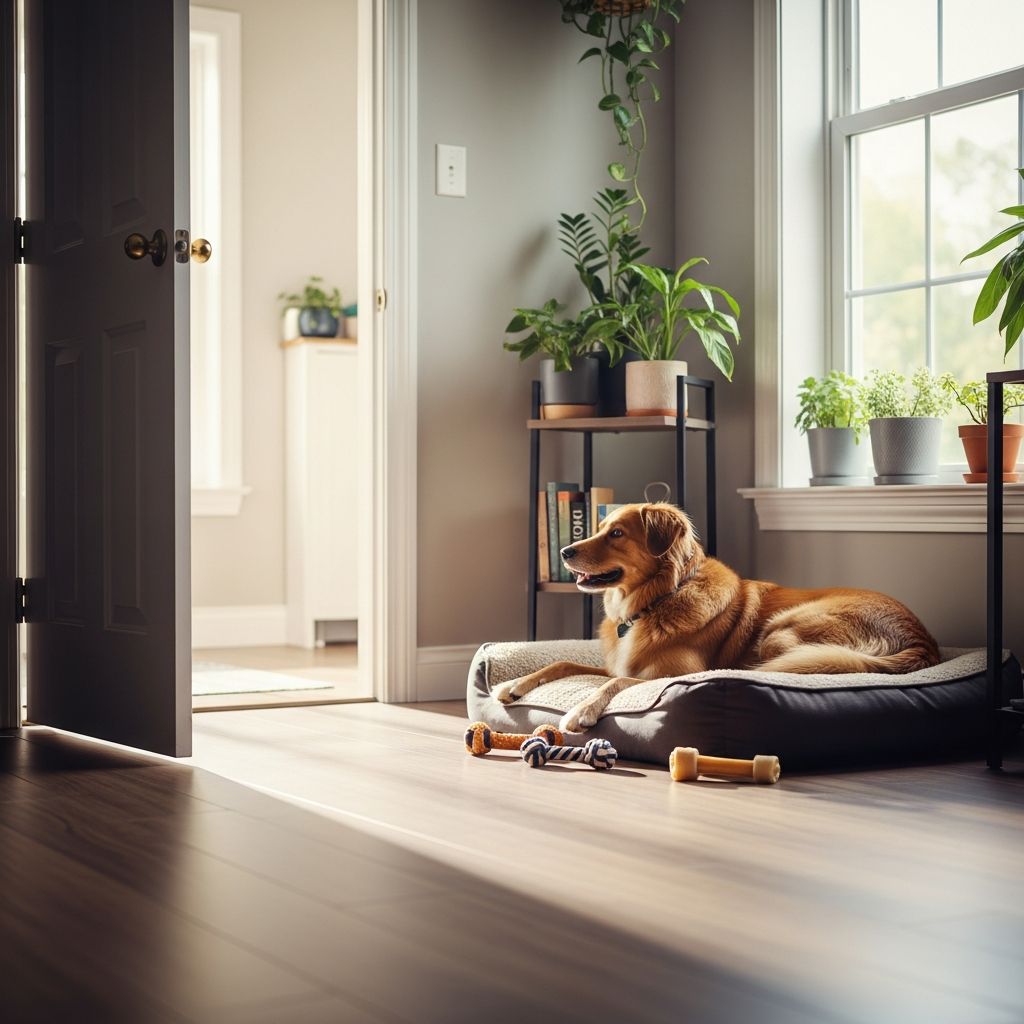
Dog separation anxiety manifests as intense distress when pets are left alone, leading to behaviors like excessive vocalization, destruction, and inappropriate elimination. Building tolerance through structured alone time proves more effective than constant companionship, promoting long-term emotional resilience.
Recognizing the Core Signs of Canine Distress
Identifying separation anxiety early prevents escalation. Dogs exhibit clear physical and behavioral cues tied directly to owner absence, distinguishing it from mere boredom or mischief.
- Vocal distress: Persistent barking, howling, or whining starts minutes after departure and continues unabated.
- Physical destruction: Chewing doors, windows, or furniture, often targeting exit points or owner-scented items.
- Elimination issues: House-trained dogs urinate or defecate indoors, unrelated to potty schedules.
- Pre-departure anxiety: Pacing, trembling, panting, drooling, or following owners room-to-room as they prepare to leave.
- Post-return frenzy: Extreme excitement or clinginess upon homecoming, ignoring normal greetings.
These symptoms cluster specifically around solitude, unlike generalized misbehavior occurring in the owner’s presence. Video monitoring confirms patterns, revealing subtle signs like pacing or self-soothing attempts invisible to unaware owners.
Unpacking the Root Causes of Separation Fear
Several life events trigger vulnerability in dogs’ emotional wiring. Their pack-oriented nature amplifies isolation fears, especially post-disruption.
| Trigger Event | Impact on Dog | Example |
|---|---|---|
| Household Changes | Disrupts security baseline | New home, family member addition/loss |
| Schedule Shifts | Sudden solitude increase | Owner returns to work post-remote period |
| Traumatic Absences | Associates alone time with abandonment | Boarding, vet stays, or shelter experience |
| Inherent Traits | Genetic predisposition to anxiety | High-energy breeds or prior neglect cases |
Unlike puppies whining for attention, true anxiety persists without improvement, signaling deeper panic akin to human panic attacks. Ruling out medical issues via vet check ensures behavioral focus.
Why Constant Presence Worsens the Problem
Intuitive comforting often reinforces dependency. Dogs interpret 24/7 availability as perpetual need for supervision, heightening panic during inevitable separations. Paradoxically, brief, positive alone exposures rewire fear responses, proving solitude safe.
Research from animal behaviorists shows dogs left briefly multiple times daily adapt faster than those isolated for long stretches. This desensitization builds neural pathways associating absence with normalcy, not threat.
Step-by-Step Protocol for Independence Training
A systematic approach yields 80-90% improvement rates. Consistency spans weeks, prioritizing short successes over rushed progress.
Baseline Assessment: Use home cameras to log behaviors during 30-minute absences. Note triggers and durations.
Desensitize Cues: Perform departure routines (keys, shoes) without leaving. Reward calm with treats.
Micro-Absences: Step out for 1-5 seconds, return praising quietly. Gradually extend to 30 minutes over days.
Enrich Environment: Provide puzzle toys, frozen Kongs releasing only during alone time to create positive associations.
Exercise First: Tire dog physically/mentally pre-departure via walks or training games.
Practice 3-5 sessions daily. If regression occurs, shorten intervals—no punishment, as fear amplifies.
Enhancing Success with Lifestyle Adjustments
Holistic support accelerates gains. Combine training with these evidence-backed tweaks.
- Balanced nutrition avoiding anxiety-exacerbating ingredients.
- Consistent daily routines minimizing surprises.
- Socialization outings reducing overall reactivity.
For severe cases, consult certified behaviorists using force-free methods. Medication like fluoxetine aids 70% of refractory dogs when paired with behavior plans, per veterinary studies.
Real-World Outcomes and Monitoring Progress
Owners report slashed destruction within 2-4 weeks. Track via journal: absence length vs. calm duration. Full resolution may take months, but partial wins build momentum.
“Dogs transitioned from 10-hour daily panic to relaxed napping alone, thanks to incremental exposures.” – Aggregated behaviorist reports.
Frequently Asked Questions
Can all dogs overcome separation anxiety?
Yes, with patience; 85% show marked improvement via desensitization, though some need ongoing management.
Is crating helpful?
Only if pre-trained positively; forced crating heightens panic.
What if symptoms persist after a month?
Seek veterinary behaviorist for tailored intervention, possibly including meds.
Does breed matter?
High-drive breeds like Labs or Shepherds prone, but any dog affected.
Prevent it in puppies?
Start alone training early, 5-10 minutes daily from 8 weeks.
Long-Term Strategies for Lasting Calm
Maintain gains with weekly refreshers. Rotate toys, teach “settle” commands fostering self-soothing. Independence empowers dogs, mirroring wild pack dynamics where adults forage solo.
Owners gain freedom too, breaking guilt cycles. Mutual trust flourishes when dogs view solitude as routine, not crisis.
References
- Separation Anxiety In Dogs (the symptoms and how to help your dog) — Animal Emergency Service. 2023. https://animalemergencyservice.com.au/blog/separation-anxiety-in-dogs/
- What Are the Symptoms of Separation Anxiety in Dogs? — Port Isabel Animal Clinic. 2024. https://www.portisabelanimalclinic.com/blog/what-are-the-symptoms-of-separation-anxiety-in-dogs
- Separation Anxiety in Dogs: Causes, Signs, and Solutions — Best Friends Animal Society. 2023. https://bestfriends.org/pet-care-resources/separation-anxiety-dogs-causes-signs-and-solutions
- Calm a dog with separation anxiety symptoms — Humane World. 2024. https://www.humaneworld.org/en/resources/calm-dog-separation-anxiety
- Separation Anxiety in Dogs | RSPCA — RSPCA. 2025-01-15. https://www.rspca.org.uk/adviceandwelfare/pets/dogs/behaviour/separationrelatedbehaviour
- Separation Anxiety in Dogs: Signs, Causes, and Prevention — American Kennel Club. 2024. https://www.akc.org/expert-advice/training/dog-separation-anxiety/
- Separation Anxiety | ASPCA — ASPCA. 2023. https://www.aspca.org/pet-care/dog-care/common-dog-behavior-issues/separation-anxiety
Similar Articles








Read full bio of Sneha Tete




