Easing Dog Separation Anxiety
Discover effective strategies to help your dog overcome separation anxiety and enjoy calm alone time with proven tips and insights.

Dogs with separation anxiety experience intense distress when left alone, often displaying behaviors like excessive vocalization, destruction, and house soiling. This condition stems from underlying frustrations or life changes rather than a standalone diagnosis, affecting dogs across breeds and ages.
Understanding the Nature of Canine Separation Distress
Separation anxiety manifests as extreme stress from the moment an owner departs until their return, akin to a panic attack in humans. Unlike normal puppy mischief or boredom, it involves persistent, fear-driven responses that escalate quickly. Research from the University of Lincoln analyzed over 2,700 dogs, revealing four primary distress forms: escaping internal aversions, seeking external stimuli, reacting to noises, and boredom-induced frustration.
Owners often mistake these for misbehavior, but they signal genuine emotional turmoil. Dogs may shadow family members room-to-room, refuse solitude outdoors, or crave constant contact, heightening vulnerability during absences. Early recognition prevents escalation, preserving the human-canine bond strained by guilt and property damage.
Common Indicators of Separation-Related Stress
Spotting symptoms early is crucial for intervention. Dogs exhibit a range of vocal, physical, and destructive signs tied directly to owner departures.
- Vocalizations: Non-stop barking, howling, or whining that persists until return.
- Destructive actions: Chewing furniture, scratching doors/windows, or ripping owner-scented items, often near exits.
- Elimination issues: House-trained dogs urinating or defecating indoors, unrelated to medical causes.
- Physical signs: Pacing, trembling, rapid breathing, drooling puddles, panting, or self-injury in severe cases.
- Pre-departure cues: Following owners anxiously, excitement upon return, or depression-like withdrawal.
These behaviors typically start as owners prepare to leave (e.g., picking up keys) and peak shortly after, distinguishing them from random naughtiness. Video monitoring confirms timing, ruling out other issues like teething or cognitive decline.
Root Causes Behind the Distress
No single trigger explains separation anxiety; it’s a mix of genetics, environment, and experiences. Innate anxiety predispositions make some dogs more susceptible, especially clingy personalities never taught independence.
| Trigger Category | Examples | Impact |
|---|---|---|
| Life Changes | Moving homes, new family members, schedule shifts, pet/human loss | Disrupts security, heightens fear of abandonment. |
| Traumatic Events | Boarding, vet visits, burglaries, storms during absence | Links solitude to danger, triggering panic. |
| Upbringing Factors | Constant companionship without alone training, shelter abandonment | Prevents coping skill development. |
| Environmental | Boredom, noise phobias, barrier frustrations | Amplifies distress via unmet needs. |
Genetic roles remain under study, but environmental shifts like remote work ending often precipitate onset. Half of affected dogs show subtle signs, underscoring owner vigilance.
Differentiating from Other Behavioral Problems
Not all alone-time issues indicate anxiety. Rule out medical conditions (e.g., UTIs for soiling) and behavioral mimics via vet checks.
- Boredom: Random destruction without departure timing.
- House-training gaps: Inconsistent elimination patterns.
- Phobias: Thunderstorm-specific reactions.
- Excitement urination: Brief, non-persistent.
- Cognitive dysfunction: Elder dogs with varied symptoms.
Separation cases focus destruction on owner items/exits and vocalize from distress, not play. Professional behaviorists use protocols to confirm.
Proven Strategies for Management and Relief
Treatment emphasizes gradual desensitization, enrichment, and routine without punishment, which worsens fear. Success rates soar with consistency.
Building Independence Foundations
Start with short absences, rewarding calm. Practice “fake departures” (e.g., grab keys, sit back down) to dilute cues. Crate train positively for safe spaces, using high-value treats.
Enrichment and Exercise Boost
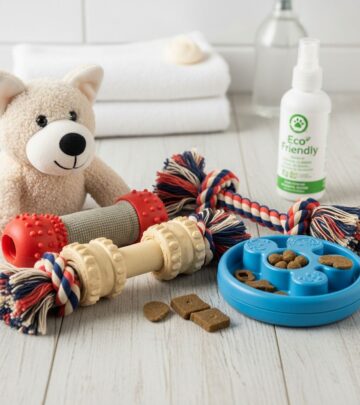
Daily mental/physical outlets combat boredom. Puzzle toys, scent games, and 30-60 minute walks tire dogs, reducing stress. Rotate toys to maintain novelty.
Desensitization Protocols
Counter-condition by pairing departures with positives:
- Step out 1 second, return/reward.
- Extend to minutes, varying durations.
- Ignore excited greetings to normalize returns.
Progress slowly; regression means shorten sessions.
Environmental Adjustments
Block visual triggers, use white noise for sounds, provide comfort items sans owner scent. Daycare or dog walkers bridge long absences initially.
Advanced Interventions When Needed
For severe cases, consult veterinary behaviorists. Medications like fluoxetine (under supervision) aid training, not replace it. Adaptil collars (pheromone diffusers) calm mildly affected dogs.
Avoid: Reprimanding upon return (increases anticipation dread), or constant soothing pre-departure (heightens dependency).
Preventive Measures for New and Puppy Owners
Instill alone time from day one: Short crate sessions with toys, varying owner schedules. Socialize broadly to build resilience. Puppies from constant-companion homes risk higher incidence.
Realistic Expectations and Long-Term Success
Improvement takes weeks to months; track via videos. Most dogs achieve comfort with diligence, enhancing life quality. Persistence pays, transforming panic into peace.
Frequently Asked Questions
Can separation anxiety develop suddenly in adult dogs?
Yes, triggers like moves or losses precipitate it even in settled adults.
Is crate training helpful or harmful?
Beneficial if introduced positively; never as punishment.
Should I get a second dog?
Not always; it may displace anxiety without addressing roots.
How long until I see results?
Weeks with daily practice; severe cases months.
Does punishment work?
No, it amplifies fear.
References
- New research identifies root causes of separation anxiety in dogs — AVMA. 2020-05-15. https://www.avma.org/javma-news/2020-05-15/new-research-identifies-root-causes-separation-anxiety-dogs
- Separation Anxiety in Dogs: Causes, Signs, and Solutions — Best Friends Animal Society. N/A. https://bestfriends.org/pet-care-resources/separation-anxiety-dogs-causes-signs-and-solutions
- Separation Anxiety In Dogs (the symptoms and how to help your dog) — Animal Emergency Service. N/A. https://animalemergencyservice.com.au/blog/separation-anxiety-in-dogs/
- Separation Anxiety in Dogs: Signs, Causes, and Prevention — American Kennel Club. N/A. https://www.akc.org/expert-advice/training/dog-separation-anxiety/
- Separation Anxiety in Dogs — VCA Animal Hospitals. N/A. https://vcahospitals.com/know-your-pet/separation-anxiety-in-dogs
- Separation Anxiety in Dogs — PetMD. N/A. https://www.petmd.com/dog/conditions/behavioral/separation-anxiety-dogs
Similar Articles







Read full bio of Sneha Tete