

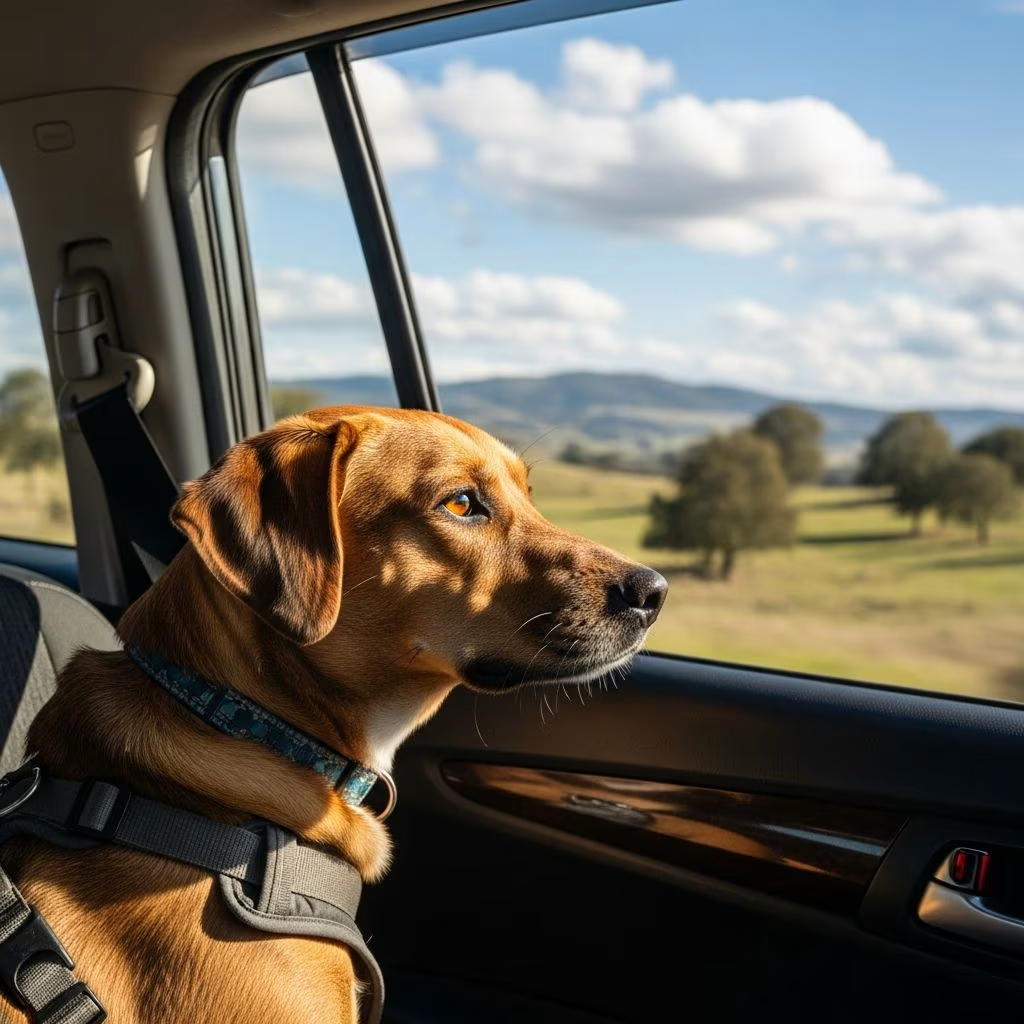
Motion sickness affects many dogs during car rides, boat trips, or flights, leading to discomfort that can ruin outings. This condition arises from inner ear disturbances triggered by movement, often combined with anxiety, and is especially prevalent in puppies whose balance systems are still maturing. With targeted strategies like gradual exposure, environmental tweaks, and medications, most dogs can travel comfortably.
Recognizing the Signs of Travel Discomfort in Dogs
Dogs cannot verbalize nausea, but they display clear behavioral and physical cues when motion sickness strikes. Early detection allows for quick intervention to prevent escalation.
- Excessive drooling: Saliva buildup signals an upset stomach, often seen as puddles around the mouth.
- Lip licking and swallowing: Repetitive motions indicate queasiness and attempts to suppress vomit.
- Whining or whimpering: Vocalizations express distress, particularly in anxious travelers.
- Panting and restlessness: Heavy breathing and pacing show unease from conflicting sensory inputs.
- Vomiting or diarrhea: The most overt signs, though not all dogs reach this stage.
- Lethargy or yawning: Some dogs withdraw, appearing listless or excessively yawning to cope.
These symptoms typically subside once motion stops, but repeated episodes can build fear of vehicles. Breeds like Boxers and puppies under one year are more susceptible due to developing ears.
Why Dogs Experience Motion Sickness: Key Causes
Motion sickness stems from a mismatch between what the eyes see and what the inner ear senses, confusing the brain’s balance center. This vestibular mismatch directly links to the vomiting center, provoking nausea.
| Cause Type | Description | Common in |
|---|---|---|
| Physical | Inner ear stimulation from vehicle motion disrupts balance signals to the brain. | Puppies, all breeds |
| Psychological | Anxiety from past bad trips or vet associations heightens nausea response. | Infrequent travelers, fearful dogs |
| Developmental | Immature ear structures fail to process motion smoothly. | Puppies under 12 months |
Adult dogs may develop anticipatory sickness, vomiting before departure due to learned stress. Medical issues like ear infections can mimic or worsen symptoms, warranting a vet check.
Building Positive Travel Associations: Desensitization Techniques
The foundation of long-term relief is counter-conditioning, turning the car into a source of joy rather than dread. Start small to rebuild confidence gradually.
- Stationary sessions: Sit with your dog in a parked car, offering treats and praise. Repeat daily for 5-10 minutes.
- Short engine runs: Run the engine briefly with doors open, rewarding calm behavior. Progress to closed doors as tolerance builds.
- Micro trips: Drive around the block, immediately returning for play or food rewards upon arrival. Gradually extend distances.
- Fun destinations: Pair rides with park visits or walks, avoiding vet trips initially to sever negative links.
Consistency is crucial; puppies often outgrow physical sickness by one year with this approach. Combine with crate training for security during rides.
Practical Travel Adjustments for Immediate Comfort
Simple in-car changes can dramatically reduce symptoms without medication.
- Positioning: Secure the crate or harness at eye level for window views, stabilizing visual cues.
- Ventilation: Use AC or cracked windows for cool, fresh air to ease nausea.
- Fasting beforehand: Withhold food 4-6 hours pre-trip, offering a light meal after to prevent empty-stomach vomiting.
- Calming aids: Play soft music or white noise; avoid sudden stops or sharp turns.
- Breaks: Stop every 30-60 minutes for walks, allowing symptom relief and stress reduction.
Travel harnesses outperform seatbelts for safety and comfort, preventing falls that exacerbate fear.
Veterinary Solutions: Medications and Natural Remedies
For severe cases, consult a vet for tailored options. Never self-medicate, as human drugs can harm dogs.
Prescription Medications:
- Cerenia (maropitant): Blocks vomiting signals; highly effective for multi-day travel. Administer 1-2 hours prior.
- Antihistamines like Dramamine (dimenhydrinate): Sedates mildly, dosed by weight (consult vet).
- Antiemetics such as ondansetron: Targets nausea directly for sensitive stomachs.
Natural Supports:
- Ginger supplements: Soothes digestion; use vet-approved chews.
- Acupressure bands: Wrist-like wraps stimulate anti-nausea points.
- CBD treats: Calms anxiety if legal and vet-recommended.
Medications pair best with behavioral training for lasting results. Recent studies affirm Cerenia’s safety and efficacy in 80-90% of cases.
Breed-Specific Considerations and When to Seek Help
While universal, certain breeds face higher risks. Boxers, Border Collies, and Dachshunds show genetic predispositions, possibly from ear anatomy.
- Puppies: Monitor closely; most resolve by 12 months.
- Seniors: Rule out vestibular disease or ear issues.
- Brachycephalics: Flat-faced breeds like Bulldogs struggle more due to breathing constraints.
Persistent symptoms post-adjustments signal underlying problems like infections. Vets may recommend ear exams or bloodwork.
FAQs: Common Questions on Dog Motion Sickness
Q: Can all dogs outgrow motion sickness?
A: Many puppies do by age one as ears mature, but anxious adults may need ongoing management.
Q: Is it safe to give my dog Benadryl for car rides?
A: Only at vet-calculated doses (1mg/lb); it causes drowsiness but not always full relief.
Q: How long do symptoms last after a trip?
A: Usually minutes to hours; severe cases may linger, indicating need for intervention.
Q: Does airplane travel cause worse sickness?
A: Yes, due to pressure changes and confinement; sedatives and vet clearance are advised.
Q: Are there holistic alternatives to drugs?
A: Ginger, chamomile, and desensitization work for mild cases; always vet-verify.
Long-Term Strategies for Confident Travelers
Transform reluctant passengers into road trip enthusiasts through patience and routine. Track progress in a journal, noting triggers and successes. Group training classes offer socialization benefits, reducing overall anxiety. For frequent flyers or boaters, specialized vests provide flotation and security.
Invest in quality gear: ventilated crates, no-spill bowls, and cooling mats enhance comfort. Annual vet checkups catch ear health issues early. With these tools, travel becomes a bonding adventure rather than a battle.
Owners report 70-80% improvement combining methods, per veterinary insights. Persistence pays off, ensuring your dog shares in life’s journeys.
References
- Dog Motion Sickness: What It Is and How To Help Your Dog — PetMD. 2023. https://www.petmd.com/dog/conditions/digestive/dog-motion-sickness-what-it-and-how-help-your-dog
- Motion Sickness in Dogs — Woofpurnay Veterinary Hospital. 2024. https://www.woofpurnayvet.com.au/motion-sickness-in-dogs
- Carsickness and Motion Sickness in Dogs — Small Door Veterinary. 2023. https://www.smalldoorvet.com/learning-center/wellness/carsickness-dogs
- Motion Sickness in Dogs — VCA Animal Hospitals. 2024. https://vcahospitals.com/know-your-pet/motion-sickness-in-dogs
- Canine Car Sickness: Causes, Symptoms & How to Help Your Dog — Express Vets Cumming. 2023. https://www.expressvetscumming.com/blog/canine-car-sickness-causes-symptoms-how-to-help-your-dog
- Carsickness in Dogs: What to Know — American Kennel Club. 2024. http://www.akc.org/expert-advice/health/car-sickness-in-dogs/



