

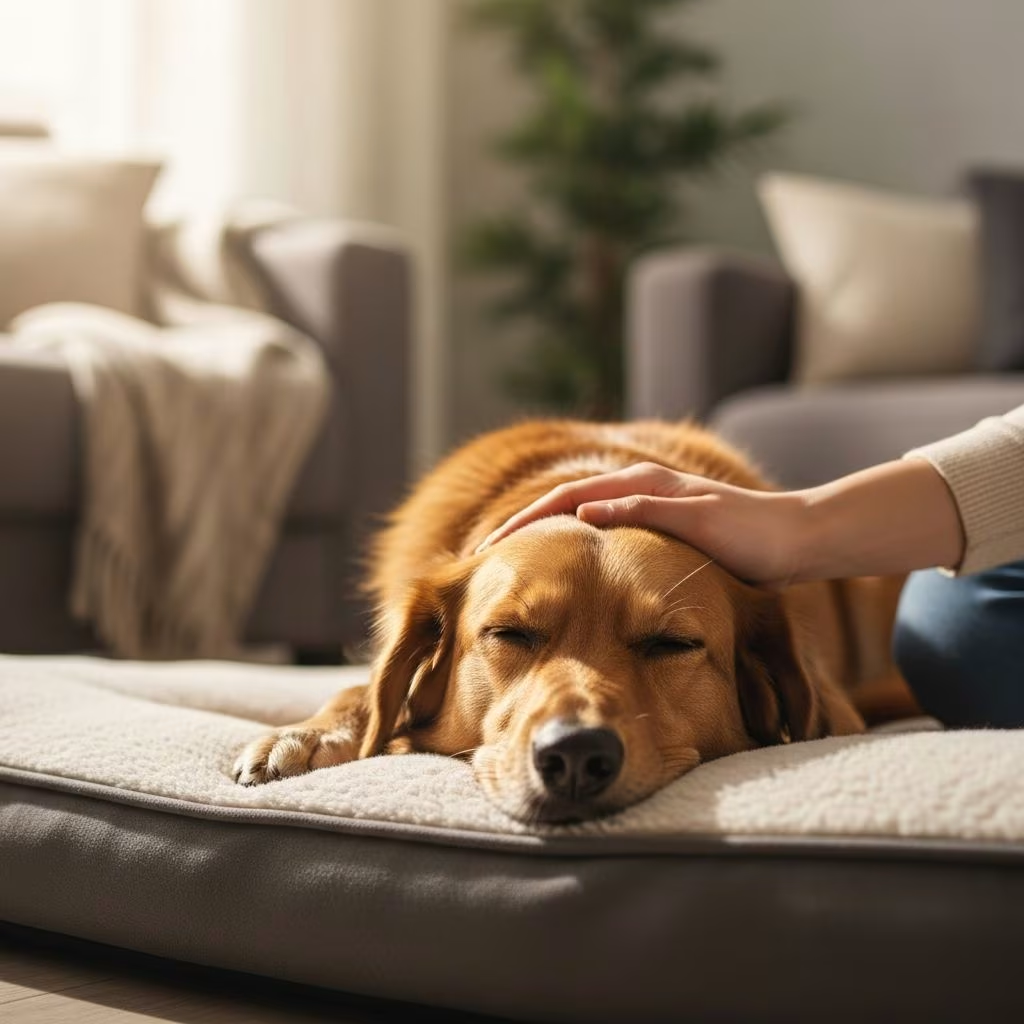
Dog anxiety manifests as a state of heightened fear or nervousness, often triggered by everyday situations, leading to disruptive behaviors that affect both pet and owner. Effective management involves identifying symptoms early, pinpointing causes, and combining behavioral adjustments with professional interventions.
Recognizing the Signs of Anxiety in Your Dog
Observing subtle changes in your dog’s demeanor can reveal underlying anxiety before it escalates. Common indicators include physical and behavioral shifts that signal discomfort.
- Excessive vocalization: Persistent barking, whining, or howling, especially when alone.
- Physical trembling: Shaking, panting heavily, drooling, or tail tucking as signs of acute stress.
- Destructive tendencies: Chewing furniture, scratching doors, or digging excessively to cope with distress.
- Elimination issues: Urinating or defecating indoors, even in house-trained dogs.
- Restlessness: Pacing, inability to settle, or repetitive movements like circling.
- Social withdrawal: Hiding, avoiding interaction, or showing aggression toward familiar people or pets.
- Self-soothing behaviors: Over-licking paws, flanks, or chewing skin, sometimes leading to injuries.
These symptoms vary by intensity; mild cases might appear as occasional whining, while severe ones disrupt daily life. Body language cues like wide eyes, flattened ears, or whale eye (whites showing) further confirm anxiety.
Common Triggers Behind Canine Anxiety
Anxiety in dogs stems from diverse sources, often linked to their environment, past experiences, or health. Understanding these helps tailor solutions.
| Trigger Type | Examples | Impact on Dog |
|---|---|---|
| Fear-Based | Loud noises (thunder, fireworks), strangers, new places, vet visits | Panic attacks, hiding, aggression |
| Separation | Owner leaving home, being crated alone | Destructive outbursts, vocal distress[10] |
| Age-Related | Cognitive dysfunction in seniors (dementia-like) | Disorientation, night pacing, clinginess |
| Medical | Pain from arthritis, thyroid issues, sensory loss | Irritability, restlessness |
Fear-related anxiety affects many dogs, with stimuli like umbrellas or slippery floors provoking outsized reactions. Separation anxiety impacts up to 73% of dogs with behavioral issues, per studies. Senior dogs face heightened risks from brain changes mimicking human dementia.
Step-by-Step Behavioral Techniques to Reduce Stress
Behavior modification forms the cornerstone of anxiety treatment, reshaping emotional responses through positive reinforcement. These methods build confidence without force.
Desensitization: Gradual Exposure
Introduce triggers at low intensity, pairing with rewards. For noise phobia, play fireworks sounds softly while offering treats, slowly increasing volume over sessions. Consistency prevents sensitization, where fear intensifies.
Counterconditioning: Changing Emotional Associations
Replace fear with positive feelings. During a car ride trigger, feed high-value treats to associate vehicles with joy. This rewires neural pathways for calmer reactions.
Daily Routine Building
Predictable schedules reduce uncertainty. Fixed mealtimes, walks, and play prevent stress spikes. Mental games like puzzle toys tire the mind, curbing restlessness.
Work with certified trainers for personalized plans; progress takes weeks but yields lasting calm.
Environmental Adjustments for a Calmer Home
Simple home changes create security, minimizing anxiety triggers without cost.
- Safe zones: Designate a quiet crate or room with bedding, toys, and your worn clothing for scent comfort.
- Exercise boost: Daily 30-60 minute walks or fetch sessions release endorphins, combating pent-up energy.
- Calming aids: Pheromone diffusers mimic maternal scents; collars or sprays provide portable relief.
- Noise control: White noise machines or calming music mask thunder.
These tweaks often suffice for mild cases, enhancing training efficacy.
Natural Remedies and Supplements
Non-drug options support behavioral efforts, backed by veterinary insights.
- Pheromones: Adaptil products reduce stress via synthetic appeasing pheromones.
- Herbals: Chamomile, L-theanine, or CBD (vet-approved) promote relaxation.
- Aromatherapy: Lavender diffusers soothe without sedation.
- Nutraceuticals: Omega-3s and melatonin aid sleep and mood.
Always consult vets to avoid interactions; efficacy varies by dog.
Veterinary Interventions: When to Seek Medication
For moderate-severe anxiety, meds bridge gaps during training. Vets diagnose via exams, ruling out medical causes first.
| Medication Type | Examples | Use Case |
|---|---|---|
| SSRIs/Antidepressants | Fluoxetine (Reconcile), Clomipramine (Clomicalm) | Chronic separation anxiety |
| Benzodiazepines | Trazodone, Dexmedetomidine | Acute events like storms |
| Beta Blockers | Propranolol | Trembling, rapid heart rate |
| Others | Selegiline | Senior cognitive issues |
Meds aren’t standalone; pair with therapy. Short-term use aids learning; long-term for intractable cases. One study notes 73% of anxious dogs benefit from combined approaches.
Special Focus: Separation Anxiety Solutions
This prevalent issue peaks when owners depart. Symptoms include door-scratching and howling. Strategies: Practice short absences with toys, use cameras for monitoring, and ignore pre-departure cues like picking up keys.[10] Gradual alone-time training prevents escalation.
Age-Specific Anxiety Management
Puppies learn resilience through socialization; adults adapt via routines; seniors need cognitive support like vet-prescribed selegiline and enriched environments to combat CDS symptoms like pacing.
FAQs on Dog Anxiety
Can anxiety cause aggression in dogs?
Yes, fear-based anxiety often leads to defensive bites or growls as escape fails.
Is medication always necessary?
No, training and environment suffice for many; reserve drugs for severe cases under vet guidance.
How long does treatment take?
Weeks to months; consistency accelerates improvement.
Can diet influence anxiety?
Balanced nutrition with omega-3s supports brain health, indirectly aiding calm.
What if symptoms persist?
Revisit vet for underlying issues like pain or thyroid problems.
Preventing Anxiety Before It Starts
Proactive steps include early puppy classes, diverse exposures, and stable homes. Regular vet checkups catch issues early. Track behaviors in a journal to spot patterns.
Holistic care transforms anxious dogs into confident companions. Patience and teamwork with professionals ensure success.
References
- Managing Anxiety in Dogs — Small Door Veterinary. 2023. https://www.smalldoorvet.com/learning-center/wellness/managing-anxiety-in-dogs
- Dog Anxiety: Symptoms, Causes, and Treatment Options — GoodRx. 2024. https://www.goodrx.com/pet-health/dog/anxiety-symptoms
- Anxiety in Dogs: Symptoms, Causes & Vet-Approved Treatment — Heads Up For Tails. 2024. https://headsupfortails.com/blogs/dogs/dog-anxiety-causes-symptoms-treatment
- Anxiety in Dogs: Signs, Symptoms, and Treatment — American Kennel Club (AKC). 2024. https://www.akc.org/expert-advice/health/treating-dog-anxiety/
- Dog Anxiety Help — Mountain Aire Veterinary Hospital. 2025-06-15. https://mountainairevet.com/2025/06/15/dog-anxiety/
- Dog Anxiety: Signs, Causes, and Treatment — PetMD. 2024. https://www.petmd.com/dog/conditions/behavioral/dog-anxiety



