

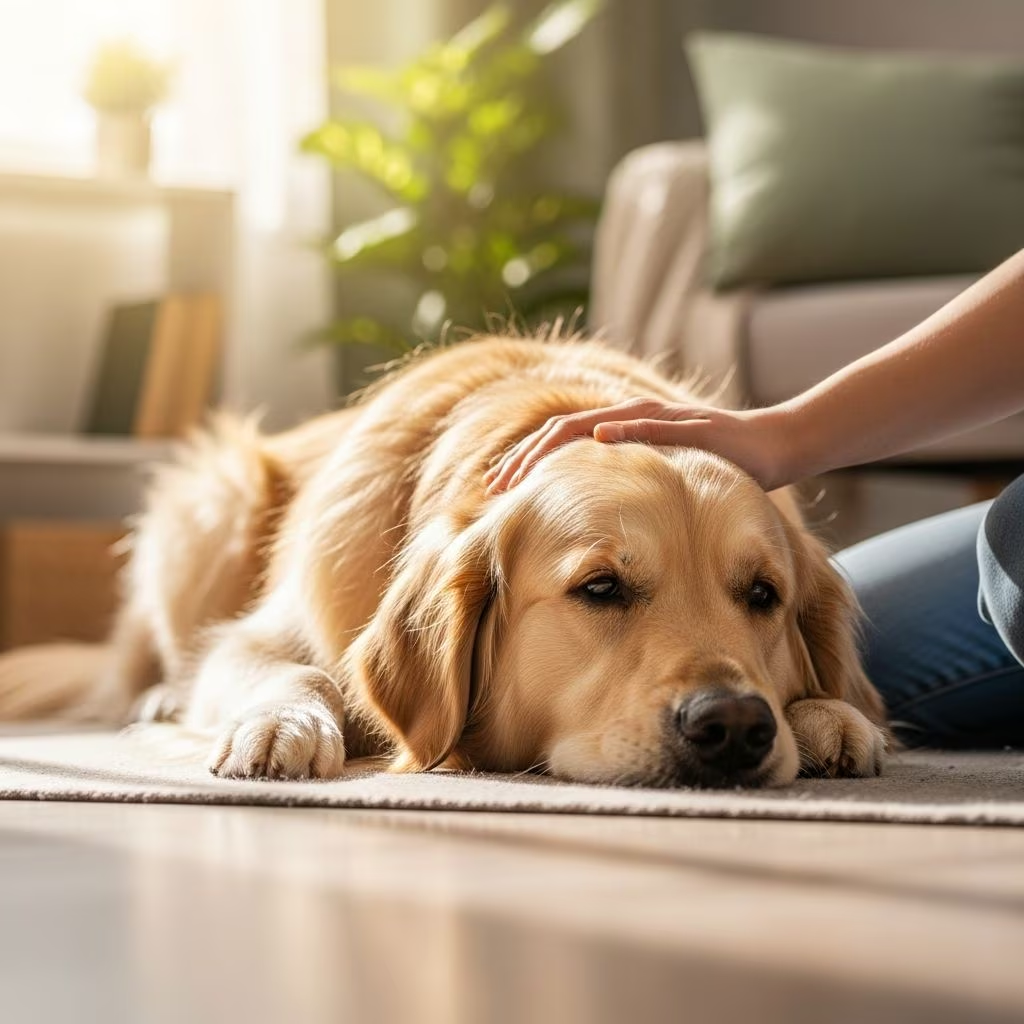
Dog anxiety manifests as excessive fear or nervousness, often triggered by everyday situations, leading to behaviors that disrupt both pet and owner lives. Effective management involves identifying symptoms early, addressing underlying causes, and combining lifestyle adjustments with professional interventions for optimal results.
Recognizing the Signs of Anxiety in Your Dog
Observing subtle changes in your dog’s demeanor can reveal anxiety before it escalates. Common indicators include physical and behavioral cues that signal discomfort.
- Mild signs: Tail tucking, slinking away, wide eyes showing whites, or dilated pupils indicate initial unease.
- Moderate signs: Ears pinned back, furrowed brow, fidgeting, panting, or refusing treats show growing distress.
- Severe signs: Trembling, hiding, aggression, excessive barking, drooling, destructive chewing, house soiling, or compulsive pacing demand immediate attention.
These symptoms vary by individual; some dogs tremble during storms, while others pace when alone. Tracking patterns helps pinpoint triggers.
Common Triggers Behind Canine Anxiety
Anxiety stems from genetic predispositions, past traumas, or environmental factors. Key causes include:
| Trigger Type | Examples | Impact |
|---|---|---|
| Fear-based | Loud noises (thunder, fireworks), strangers, new environments, vet visits | Triggers fight-or-flight response, leading to panic |
| Separation | Owner departures, being left alone | Causes distress vocalizations and destruction |
| Age-related | Cognitive dysfunction in seniors (pacing at night, disorientation) | Mimics dementia-like symptoms |
| Medical | Pain, illness, inflammation | Lowers stress threshold, amplifying reactions |
Understanding these helps tailor interventions, preventing escalation.
Step-by-Step Behavioral Training Techniques
Positive reinforcement forms the foundation of anxiety relief, reshaping emotional responses without punishment.
Desensitization: Gradual Exposure
Introduce triggers at low intensity, pairing with rewards. For noise phobia, play soft recordings while offering treats, slowly increasing volume over weeks.
Counterconditioning: Replacing Reactions
Shift associations by rewarding calm behaviors during triggers. If door-opening sparks separation anxiety, practice with high-value treats to foster positive focus.
Consistency is key; short, daily sessions (5-10 minutes) yield better results than infrequent long ones. Professional trainers enhance success rates.
Environmental Modifications for a Calmer Home
Simple changes create a secure sanctuary, reducing baseline stress.
- Safe zones: Designate a quiet crate or room with familiar bedding and toys for retreat.
- Exercise routines: Daily walks and play burn energy, promoting mental balance.
- Predictable schedules: Fixed feeding, walk, and sleep times minimize uncertainty.
- Sensory aids: White noise machines or covering windows block startling sights/sounds.
These adjustments complement training, fostering long-term resilience.
Natural Remedies and Supplements
Non-pharmacological options support mild cases, often alongside behavioral efforts.
- Pheromone diffusers: Mimic calming maternal scents, reducing agitation in multi-pet homes.
- Herbal aids: L-theanine or chamomile chews promote relaxation; vet approval ensures safety.
- CBD products: Emerging for mild anxiety, but consult professionals for dosing.
- Aromatherapy: Lavender diffusers soothe without ingestion risks.
Monitor effects; what calms one dog may not suit another.
When to Seek Veterinary Intervention
If behaviors persist despite home efforts, rule out medical issues first. Vets assess for pain or thyroid problems mimicking anxiety.
Medication Options
For moderate-severe cases, prescriptions target brain chemistry:
- SSRIs (e.g., fluoxetine): Long-term for chronic anxiety.
- Tricyclics (e.g., clomipramine): Effective for separation issues.
- Benzodiazepines: Short-term for predictable events like fireworks.
- Trazodone or dexmedetomidine: Situational calmers.
Medications work best with training, not alone; regular check-ins monitor progress.
Professional Behaviorists
Certified veterinary behaviorists craft customized plans, often integrating meds and therapy.
Building Long-Term Emotional Resilience
Prevent recurrence through ongoing enrichment:
- Mental stimulation via puzzle toys or scent games.
- Socialization from puppyhood, continued gradually.
- Owner mindfulness: Calm energy reassures dogs.
Patience yields confident companions.
FAQs on Managing Dog Anxiety
What are the first steps if I suspect my dog is anxious?
Observe symptoms, schedule a vet exam to exclude medical causes, then implement desensitization with positive rewards.
Can anxiety cause aggression in dogs?
Yes, fear-based anxiety often underlies growling or biting as defensive responses.
Are over-the-counter calming treats safe?
Many are, but vet consultation prevents interactions, especially with existing conditions.
How long does treatment take?
Weeks to months; consistency accelerates improvement.
Does exercise alone fix anxiety?
It helps significantly but pairs best with training for comprehensive relief.
References
- Managing Anxiety in Dogs — Small Door Veterinary. 2023. https://www.smalldoorvet.com/learning-center/wellness/managing-anxiety-in-dogs
- Dog Anxiety: Signs, Causes, and Treatment — PetMD. 2024. https://www.petmd.com/dog/conditions/behavioral/dog-anxiety
- Dog Anxiety Help — Mountain Aire Veterinary Hospital. 2025-06-15. https://mountainairevet.com/2025/06/15/dog-anxiety/
- Anxiety in Dogs: Signs, Symptoms, and Treatment — American Kennel Club. 2024. https://www.akc.org/expert-advice/health/treating-dog-anxiety/
- Dog Anxiety 101: Signs, Causes and Treatment — Chewy. 2024. https://www.chewy.com/education/dog/health-and-wellness/dog-anxiety
- Anxious behavior: How to help your dog cope — Cornell University College of Veterinary Medicine. 2023. https://www.vet.cornell.edu/departments-centers-and-institutes/riney-canine-health-center/canine-health-topics/anxious-behavior-how-help-your-dog-cope-unsettling-situations
- Anxiety in Dogs — Tufts University Cummings School of Veterinary Medicine. 2024. https://vet.tufts.edu/news-events/news/anxiety-dogs



