

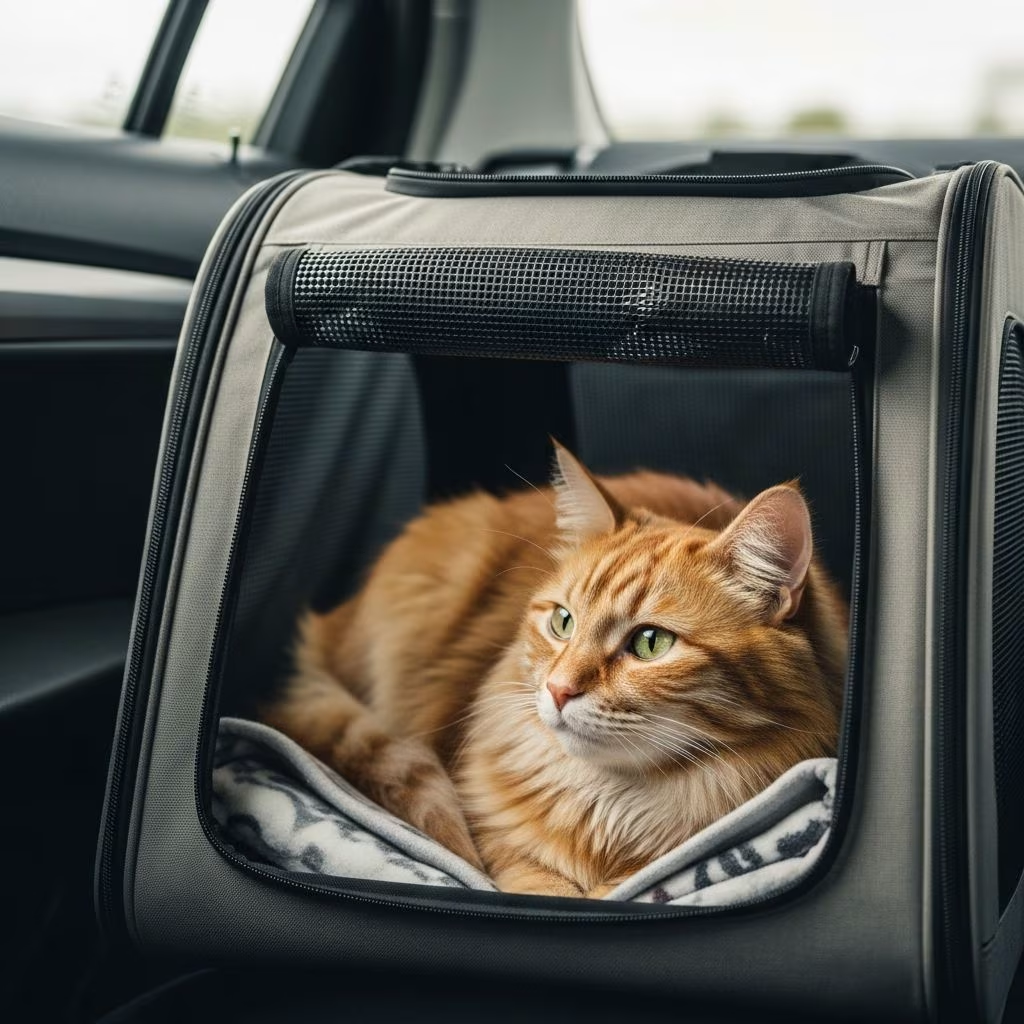
Many cat owners face the challenge of transporting their pets by car, only to encounter distress signals like yowling, drooling, or vomiting. These reactions often stem from a combination of anxiety and motion sickness, making trips to the vet or vacations daunting. Understanding the root causes and implementing targeted strategies can transform these ordeals into manageable routines.
Recognizing the Signs of Distress in Cats During Travel
Cats communicate discomfort through distinct behaviors. During car rides, watch for excessive vocalization such as loud meowing or howling, which signals high stress levels. Restlessness, including pacing within the carrier, frequent yawning, and lip licking, are early indicators. More severe signs include heavy drooling, diarrhea, or vomiting, which may point to carsickness rather than pure anxiety.
Anxiety symptoms typically appear before, during, and after the journey, while motion sickness eases when the vehicle stops. Differentiating these helps tailor interventions effectively. Cats unaccustomed to travel often associate carriers and cars with negative outcomes like vet visits, amplifying fear responses.
- **Vocal cues:** Persistent crying or whining.
- **Physical signs:** Drooling, trembling, or flattened ears.
- **Gastrointestinal issues:** Vomiting or loose stools post-travel.
Root Causes Behind Feline Car Discomfort
Motion sickness in cats arises from inner ear imbalances triggered by vehicle movement, but stress plays a dominant role. Cats that travel infrequently link car rides to unpleasant experiences, heightening anxiety. Environmental factors like temperature fluctuations, unfamiliar scents, and confinement exacerbate this.
Chronic stress from travel can lead to broader health issues, including urinary problems, skin conditions, or digestive disorders. Trauma, poor socialization, or underlying illnesses can compound these reactions. Addressing both physiological and emotional triggers is essential for long-term relief.
Selecting the Ideal Carrier for Safe Journeys
A secure carrier is foundational to reducing travel stress. Opt for sturdy models with good ventilation, like hard-sided plastic ones designed for airline use, which provide stability. Soft carriers suit short trips but may shift more easily. Ensure the size allows your cat to stand, turn, and lie down comfortably without excess space that could cause tumbling.
Placement matters: Secure the carrier in the back seat’s center, facing forward, using seat belts or straps to minimize motion. Covering sides with a breathable towel blocks visual stimuli while keeping the front open for air flow. Never allow free roaming in the vehicle, as it poses injury risks during sudden stops.
| Carrier Type | Pros | Cons | Best For |
|---|---|---|---|
| Hard Plastic | Durable, stable | Heavier | Long trips |
| Soft-Sided | Lightweight, portable | Less secure | Short drives |
| Top-Loading | Easy access | May leak odors | Home to car transfer |
Step-by-Step Acclimation to Carriers and Vehicles
Desensitization begins at home. Leave the carrier out daily, associating it with positivity by placing treats, toys, or meals inside. Gradually progress: encourage voluntary entry with clicker training, then close the door briefly while offering praise.
Next, carry the closed carrier around the house to simulate motion. For car acclimation, start with the engine off in a parked car, feeding treats through the door. Short drives—under five minutes—build tolerance, always ending positively. Over days or weeks, extend durations. Incorporate familiar bedding or your worn clothing for scent comfort.
- Introduce carrier as a cozy spot.
- Practice short confinements at home.
- Move to stationary car sessions.
- Undertake brief, rewarding drives.
This gradual exposure prevents the carrier from becoming a phobia trigger.
Optimizing the Car Environment for Comfort
Pre-trip preparations set the tone. Adjust the car’s temperature to a mild 68-75°F (20-24°C) range, as extremes heighten stress. Spritz calming pheromones like Feliway on the carrier and towels 15 minutes prior.
Secure the carrier upright to reduce disorientation. For sensitive cats, add a small litter pan or absorbent pad inside an oversized carrier if space allows. Drive smoothly: avoid sharp turns, accelerate gently, and maintain steady speeds. Provide water stops but withhold food 3-4 hours before departure to curb vomiting.
Non-Pharmacological Aids for Calming Cats
Supplements like L-theanine or alpha-casozepate can soothe mild anxiety; consult your vet for dosing. Compression wraps or anxiety vests apply gentle pressure, mimicking a hug. Pheromone diffusers or wipes offer chemical reassurance.
Background white noise or soothing music masks engine sounds. For multi-cat households, separate carriers prevent territorial spats. These tools complement behavioral training for holistic relief.
When to Consider Veterinary Interventions
For persistent cases, vets may prescribe anti-nausea drugs like Cerenia (maropitant), which prevents vomiting effectively. Anti-anxiety options include gabapentin or trazodone, tailored to your cat’s health profile. Rule out medical mimics like ear infections first.
Start medications 1-2 hours pre-travel after a trial dose at home. No vaccine exists for motion sickness, but multimodal plans combining meds and behavior mods yield best results.
Practical Tips for Long-Distance Travel
Plan stops every 1-2 hours for hydration and litter breaks in quiet areas. Use portable litter boxes and waste bags. Overnight stays? Choose pet-friendly hotels with prior carrier practice.
Monitor for escalating signs; pull over if needed. Post-trip, provide a calm recovery space with familiar items to decompress.
Frequently Asked Questions (FAQs)
Can all cats outgrow car anxiety?
With consistent training, many improve significantly, though some require ongoing management.
Is it safe to sedate my cat for car trips?
Vet-prescribed sedatives are safer than OTC options; discuss risks like respiratory depression.
How long does acclimation take?
Typically 1-4 weeks, depending on the cat’s baseline stress.
What if my cat vomits despite precautions?
Seek vet advice for anti-emetics and check for underlying issues.
Are there breed differences in travel tolerance?
No strong evidence, but active breeds may need more enrichment.
Building Lasting Confidence in Your Cat
Consistency transforms fearful felines into composed travelers. Pair every step with rewards to rewire associations. Track progress in a journal to refine approaches. Professional behaviorists offer customized plans for severe cases.
Ultimately, proactive steps minimize health risks from chronic stress, ensuring your cat’s well-being. Patient owners see marked improvements, turning dreaded drives into neutral or even positive outings.
References
- Motion Sickness in Cats — VCA Animal Hospitals. 2023. https://vcahospitals.com/know-your-pet/motion-sickness-in-cats
- Carsickness and Motion Sickness in Cats — Small Door Veterinary. 2024. https://www.smalldoorvet.com/learning-center/wellness/carsickness-cats
- How to Help Your Cat With Car Anxiety & Carsickness — Preventive Vet. 2023. https://www.preventivevet.com/cats/how-to-help-your-cat-with-car-anxiety-carsickness
- The Ultimate Guide to Cat Anxiety — PetMD. 2024. https://www.petmd.com/cat/conditions/behavioral/c_ct_fear_phobia_anxiety



