

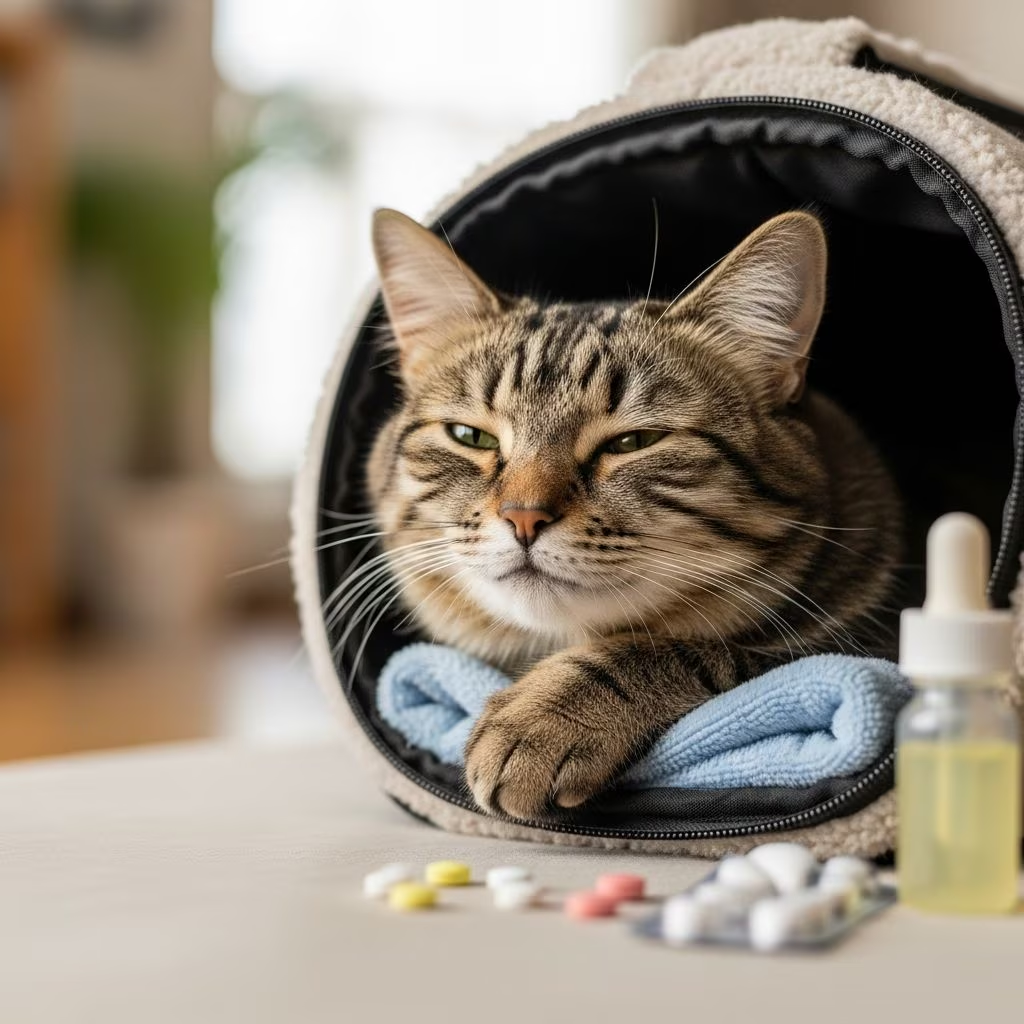
Traveling with cats often triggers significant anxiety due to confinement, unfamiliar environments, and motion, leading to behaviors like excessive meowing or physical distress such as panting and vomiting. Medications like diphenhydramine offer a practical solution to calm these reactions when used appropriately under veterinary guidance.
Recognizing Signs of Travel Anxiety in Cats
Cats exhibit clear indicators when travel induces stress, helping owners identify when intervention is needed. These signs range from vocal to physical and behavioral cues, often worsening without management.
- Vocal distress: Persistent yowling or meowing signals discomfort from carrier confinement or motion.
- Physical symptoms: Panting, drooling, trembling, or vomiting point to motion sickness or overwhelming fear.
- Behavioral changes: Pacing, escape attempts, or aggression in the carrier reflect inability to self-soothe.
- Body language: Tucked tails, pinned ears, dilated pupils, or stiff postures indicate heightened fear responses.
Early recognition prevents escalation, as untreated anxiety can lead to health issues like elevated heart rates or gastrointestinal upset during transit.
Why Cats Experience Heightened Stress During Travel
Felines thrive on routine and territory control, making travel disruptive. Factors like carrier unfamiliarity, car vibrations, airport noises, or air pressure changes compound this. Cats traveling infrequently, such as for vet visits, associate carriers negatively, amplifying reactions. Environmental shifts and lack of predictability trigger autonomic responses, increasing heart rate and blood pressure. Indoor cats face amplified effects from sudden stimuli overload.
Non-Medication Strategies to Reduce Feline Travel Discomfort
Before turning to drugs, behavioral conditioning builds tolerance. Gradual exposure desensitizes cats to stressors over time.
Carrier Familiarization Techniques
Transform the carrier into a positive space by leaving it out daily with treats and bedding inside. Feed meals nearby or within it to foster associations.
Short Practice Trips
Initiate brief car rides ending positively, like with play or food, gradually extending duration. This counters negative vet-trip links.
Environmental Calming Aids
- Spray carriers with feline pheromones to mimic comforting scents.
- Use window covers or familiar blankets to block scary views and provide security.
- Ensure proper ventilation and secure placement to minimize jostling.
Combining these reduces reliance on medication for mild cases.
Overview of Diphenhydramine for Cat Sedation
Diphenhydramine, known as Benadryl, is an antihistamine with sedative properties commonly used off-label for cat travel anxiety. It induces drowsiness, easing stress without full anesthesia, ideal for short trips.
| Aspect | Details |
|---|---|
| Primary Use | Reduces anxiety, motion sickness symptoms like drooling and vomiting |
| Onset | 30-60 minutes post-dose |
| Duration | 4-8 hours, matching most car or short flights |
| Safety Profile | Generally safe at proper doses; consult vet first |
It blocks histamine, calming hyperactivity while countering nausea.
Safe Dosage Guidelines for Diphenhydramine
Veterinarians recommend 1 mg per pound of body weight, administered 30-60 minutes before travel. For a 10-pound cat, this equals 10 mg, often one 10 mg tablet or equivalent liquid.
- Weight-based calculation: Always weigh your cat accurately.
- Frequency: Single dose per trip; repeat only if needed after 8 hours.
- Forms: Plain tablets or liquid; avoid combinations with decongestants like pseudoephedrine, toxic to cats.
Test a low dose at home first to check tolerance, monitoring for rare side effects like hyperactivity or dry mouth.
Potential Risks and Side Effects to Watch For
While effective, diphenhydramine isn’t risk-free. Overdoses cause agitation, rapid heartbeat, or seizures. Cats with glaucoma, heart disease, or hypertension should avoid it. Paradoxical excitation occurs in some, increasing activity instead of sedation. Always source vet-approved products and never exceed dosing.
Alternative Medications and Professional Recommendations
For severe cases, vets may prescribe gabapentin or trazodone, offering targeted anxiolysis without heavy sedation. Multimodal approaches combine drugs with pheromones for best outcomes, especially air travel where stress peaks. Consult professionals to tailor plans, avoiding OTC self-medication pitfalls.
Special Considerations for Air Travel with Cats
Flying amplifies stressors like cargo holds or cabin pressure. Sedation protocols must account for regulations; some airlines restrict it. Use multimodal methods: pre-trip acclimation, secure carriers, and vet-prescribed meds. Monitor for dehydration or temperature extremes.
Long-Term Management for Frequent Feline Travelers
Regular travelers benefit from ongoing desensitization. Maintain stimulation at home with toys to build resilience against change. Track responses in a journal to refine strategies per trip type.
Frequently Asked Questions
Can I give my cat Benadryl for car rides?
Yes, at 1 mg/lb under vet guidance, 30-60 minutes prior.
Will diphenhydramine make my cat sleep through the entire trip?
It promotes calm drowsiness, not deep unconsciousness, allowing responsiveness.
What if my cat reacts poorly to diphenhydramine?
Stop use and seek vet alternatives like gabapentin.
Is sedation safe for kittens or seniors?
Dosages adjust by weight/age; vet approval essential.
How do I prepare my cat for travel without meds?
Use carrier training, short trips, and pheromones.
Building a Stress-Free Travel Routine
Integrate preparation weeks ahead: routine carrier access, pheromone use, health checks. Post-trip decompression with familiar foods aids recovery. Consistent efforts minimize future anxiety, enhancing bonding during adventures.
References
- Should You Sedate Your Cat for Travel? — Lane Veterinary. 2023. https://lanevet.com/blog/cat-sedation-for-travel/
- Pet Travel Anxiety: Prevention, Medicine, & More — Pets in Transit. 2025-12-31. https://www.petsintransit.com/2025/12/31/pet-travel-anxiety-medicine-and-prevention/
- Motion Sickness in Cats — VCA Animal Hospitals. 2024. https://vcahospitals.com/know-your-pet/motion-sickness-in-cats
- 5 Common Causes of Anxiety in Cats and How to Address Them — Amigo Animal Hospital. 2023. https://www.amigoanimalhospital.com/blog/1313955-5-common-causes-of-anxiety-in-cats-and-how-to-address-them_2
- Feline stress management during air travel: a multimodal approach — PMC (NCBI). 2024. https://pmc.ncbi.nlm.nih.gov/articles/PMC10812047/



