
Easing Cat Stress at Vet Visits
Practical strategies to transform terrifying vet trips into calm, effective health checks for your feline friend.
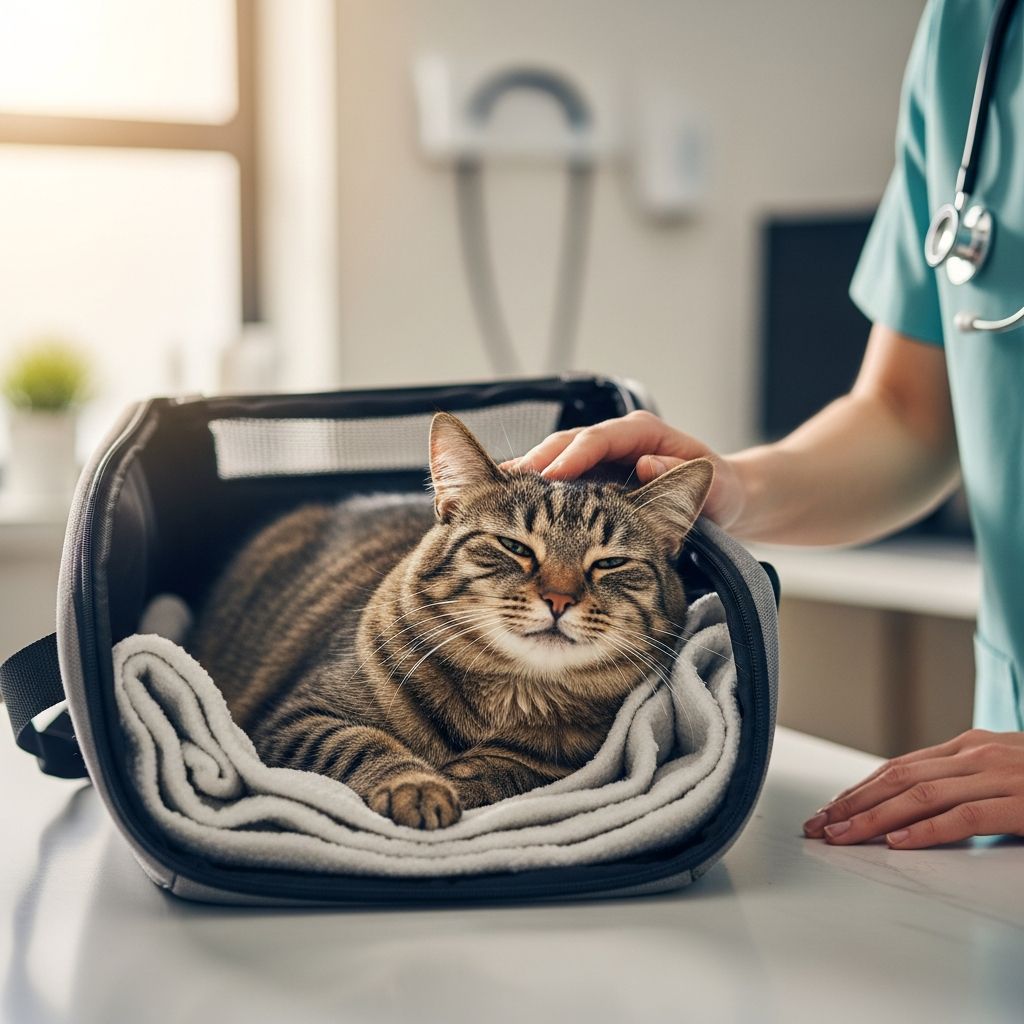
Cats often experience significant anxiety during veterinary appointments due to unfamiliar environments, handling, and travel. Implementing targeted preparation techniques, environmental adjustments, and medical options can greatly improve their comfort and the quality of care received.
Understanding Feline Anxiety in Clinical Settings
Veterinary visits trigger stress responses in cats through exposure to new smells, sounds, and interactions. Upon arrival, scents from other animals and handling by strangers activate the cat’s flight response, leading to hiding, aggression, or vocalization. This not only distresses the cat but hinders thorough examinations.
Chronic stress from repeated visits can contribute to long-term health issues, emphasizing the need for proactive management. A multi-faceted approach combining home preparation, transport strategies, and professional interventions yields the best results.
Preparing the Carrier as a Safe Haven
The carrier is central to reducing initial stress. Cats associate it with negative experiences if only used for trips to the vet.
- Leave the carrier out daily with soft bedding and toys inside to foster positive associations.
- Feed meals inside the carrier gradually to build comfort.
- Practice short sessions of closing the door while offering treats.
These steps acclimate the cat over weeks, making entry voluntary on appointment day. Covering the carrier with a towel during travel blocks visual stimuli, further calming the cat.
Mastering Calm Transport Techniques
Car rides amplify anxiety due to motion and confinement. Desensitization through regular short drives unrelated to vets helps immensely.
- Start with engine idling sessions paired with treats.
- Progress to neighborhood loops, rewarding quiet behavior.
- Secure the carrier on the floor behind the seat for stability.
Play soothing music like classical tunes during drives to mask noises. Withhold food 4-6 hours prior to prevent nausea, but bring favorite treats for the clinic.
Calming Aids and Products for Immediate Relief
Several over-the-counter products mimic natural feline signals to promote relaxation.
| Product Type | Description | Usage |
|---|---|---|
| Pheromone Diffusers/Sprays | Feliway releases synthetic facial pheromones | Spray carrier 15 min before travel; use in clinic if available |
| Anxiety Wraps | Thundershirt applies gentle pressure | Fit snugly like swaddling; test tolerance at home |
| Calming Treats/Collars | Contain herbs like chamomile | Administer days before for cumulative effect |
These aids reduce visible stress signs without sedation, enhancing cooperation during exams.
Role of Medications in Severe Cases
For highly anxious cats, prescription medications provide targeted relief. Gabapentin, an anti-anxiety drug, is administered 1-2 hours prior at home in liquid or capsule form. It sedates mildly without full knockout, allowing safer handling.
Consult your vet for dosing based on weight and health. Trazodone offers transdermal options for some cats. Medications pair best with behavioral prep, avoiding reliance alone.
Clinic-Side Strategies for Low-Stress Handling
Modern clinics employ fear-free protocols. Pheromone diffusers in exam rooms create a familiar atmosphere. Staff use towel wraps to limit visibility and gentle approaches.
- Request direct room entry to bypass waiting areas.
- Allow cat to remain in carrier initially.
- Opt for “happy visits”—short, treat-only trips for socialization.
Your calm demeanor influences the cat; speak softly and avoid forcing interactions.
Building Long-Term Confidence Through Training
Start early with kittens via mock exams at home: touch paws, ears, and mouth while rewarding. Schedule non-medical clinic visits for play and treats to rewire associations.
Positive reinforcement during real visits—praise and high-value foods post-procedure—reinforces calm behavior. Consistency over months yields cumulative benefits.
Comparing Stress Reduction Methods
| Method | Pros | Cons | Best For |
|---|---|---|---|
| Carrier Training | Low-cost, foundational | Requires weeks | All cats |
| Pheromones | Non-invasive, quick | Variable efficacy | Mild anxiety |
| Gabapentin | Highly effective | Needs vet Rx | Severe cases |
| Happy Visits | Builds positives | Time-intensive | Young cats |
Select based on your cat’s response; combine for optimal results.
Frequently Asked Questions
Is gabapentin safe for my cat?
Yes, when dosed by a vet considering health factors. Side effects are rare and mild.
How long before a visit should I start prep?
Begin carrier training 2-4 weeks ahead for best outcomes.
What if my cat hates the carrier?
Use larger top-loading models and transfer via towel scoop to avoid direct handling.
Can diet help with anxiety?
Fast 4-6 hours pre-visit to curb nausea; post-visit, offer calming diet supplements.
Should I punish stressed behavior?
Never; it worsens fear. Focus on rewards for calm moments.
Potential Risks of Untreated Anxiety
Unmanaged stress elevates cortisol, suppressing immunity and exacerbating conditions like urinary issues. It may lead to avoidance of care, delaying diagnoses. Proactive steps ensure routine checkups remain feasible.
References
- How to Make Vet Visits Less Stressful for Your Cat — Modern Animal. 2023. https://www.modernanimal.com/blog/how-to-make-vet-visits-less-stressful-for-your-cat
- Managing Anxiety in Cats — Small Door Veterinary. 2024. https://www.smalldoorvet.com/learning-center/medical/managing-anxiety-in-cats
- Reducing the Stress of Veterinary Visits for Cats — VCA Animal Hospitals. 2023. https://vcahospitals.com/know-your-pet/reducing-the-stress-of-veterinary-visits-for-cats
- How to Calm Pet Anxiety During Vet Visits: 10 Proven Tips — Pooler Vet. 2024. https://poolervet.com/calm-pet-anxiety-during-vet-visits/
- Tools for the Approach of Fear, Anxiety, and Stress in the Domestic Cat — Wiley Online Library (Veterinary Medicine International). 2023. https://onlinelibrary.wiley.com/doi/full/10.1155/vmi/9109397
Similar Articles








Read full bio of Sneha Tete




