
Easing Cat Stress During Moves
Expert strategies to help your cat navigate relocation with minimal anxiety and maximum comfort.
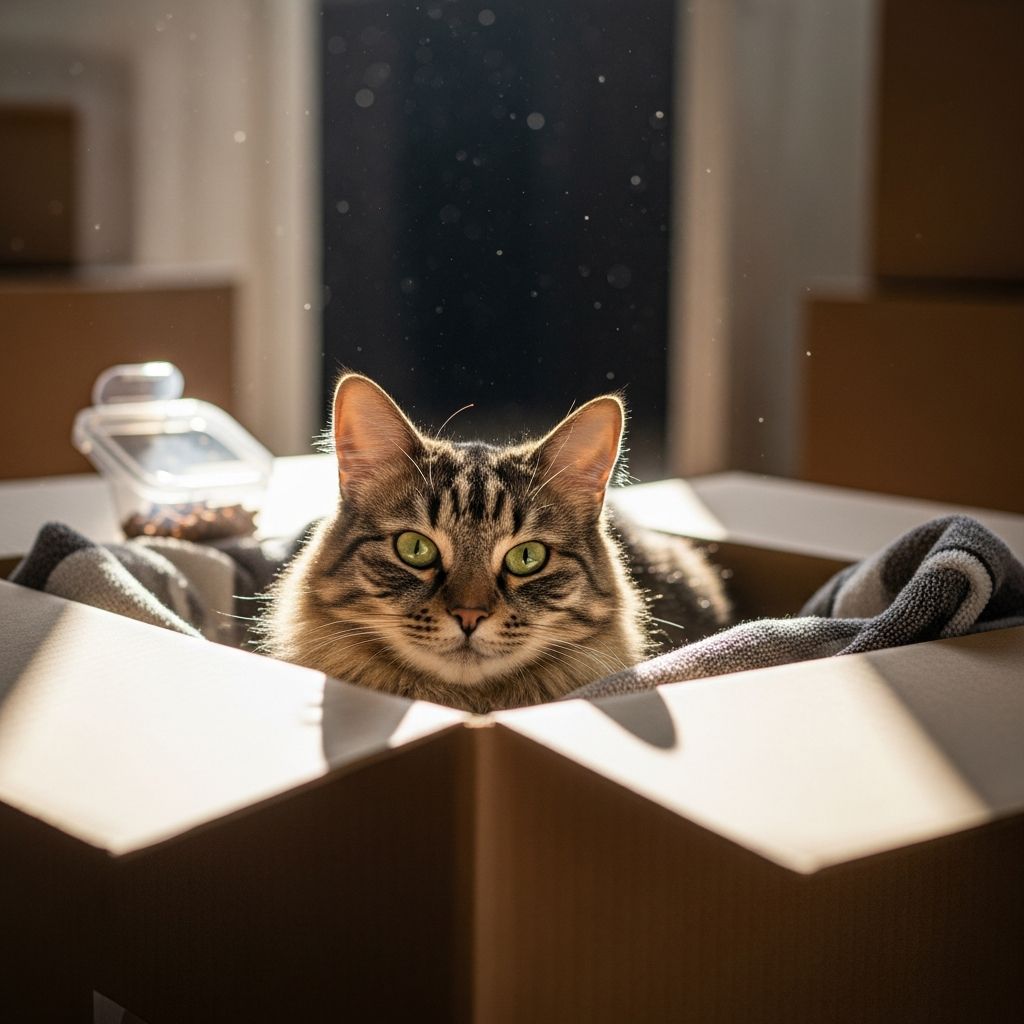
Cats often experience significant anxiety during relocations due to disruptions in their familiar environment. Proactive measures like establishing secure areas and preserving daily habits can greatly alleviate this distress, promoting a healthier adjustment process.
Recognizing Stress Signals in Your Cat
Understanding your cat’s behavioral cues is the first step in addressing relocation anxiety. Common indicators include withdrawal into hidden spots, over-grooming, appetite loss, unusual vocalizations, improper litter use, sudden aggression, or excessive attachment. These signs reflect a cat’s innate sensitivity to change, as they prefer stable territories.
- Hiding behaviors: Cats may seek refuge under furniture or in closets to escape chaos.
- Grooming changes: Compulsive licking serves as a self-calming mechanism.
- Eating habits: Refusal of food signals high discomfort levels.
- Vocal shifts: Persistent meowing or yowling expresses unease.
- Litter problems: Accidents outside the box indicate territorial stress.
- Mood alterations: Clinginess or irritability shows emotional turmoil.
Monitor these for over a week; persistent issues warrant veterinary evaluation to exclude health concerns.
Pre-Move Preparation Strategies
Begin preparations weeks ahead to desensitize your cat to upcoming changes. Gradual packing prevents sudden shocks, while introducing relocation tools early builds positive associations.
Setting Up a Sanctuary Room
Designate a quiet room as your cat’s exclusive haven, stocked with essentials like bedding, toys, food, water, and litter. Keep this space untouched amid packing to maintain familiarity. Place a ‘Do Not Disturb’ sign to prevent intrusions by movers or family.
Acclimating to Transport Gear
Cats frequently dread carriers due to past vet trips. Mitigate this by leaving the carrier accessible with enticing treats inside. Progress from feeding nearby to inside, then practice short closures. This fosters comfort for travel day.
Introducing Packing Elements
Scatter empty boxes around the home early, allowing exploration. Pack non-essentials first, saving cat items for last to preserve routine elements.
Maintaining Routines Amid Chaos
Cats rely on predictability; disruptions amplify stress. Adhere to feeding, play, and litter schedules as closely as possible. Consistent interactions reassure them of your presence.
| Routine Element | Why It Matters | Implementation Tip |
|---|---|---|
| Feeding Times | Provides normalcy anchor | Set alarms for exact schedules |
| Play Sessions | Releases endorphins | Use familiar toys daily |
| Litter Access | Supports hygiene instincts | Keep in quiet, unchanged spot |
| Sleep Areas | Ensures rest security | Leave bedding undisturbed |
Optimizing the Travel Experience
Secure the carrier firmly in the vehicle to avoid jostling. Cover it partially for a den-like feel, and pause for reassurance during long trips. Avoid overhandling to prevent escalation of fear.
Settling into the New Environment
Upon arrival, confine your cat to one room initially, replicating the sanctuary setup. Gradually expand access as confidence grows, rewarding exploration with treats. Keep them indoors for at least two weeks to adapt fully.
Enhancing the New Space
Install scratching posts, perches, and interactive feeders promptly. These enrich the territory, encouraging engagement and reducing idleness-induced anxiety.
Using Calming Aids
Pheromone diffusers or sprays mimic comforting scents, bridging old and new homes. Consult vets for short-term anti-anxiety options if needed.
Long-Term Adjustment Tactics
Beyond initial days, focus on enrichment. Vertical spaces like shelves offer escape routes, vital for multi-pet or family homes. Regular play combats boredom, while puzzle toys stimulate mentally.
- High perches for observation
- Puzzle feeders for meals
- Window seats for stimulation
- Multiple litter stations
Separate food, water, and litter zones to match natural preferences.
When to Consult Professionals
If stress persists beyond two weeks—evidenced by ongoing hiding, appetite refusal, or aggression—seek veterinary advice. They can rule out illnesses and suggest behaviorists or medications. Organizations like Cats Protection recommend certified experts for tailored plans.
Frequently Asked Questions
How long does it take for a cat to adjust to a new home?
Most cats settle within 1-2 weeks with proper management, though sensitive ones may need a month. Patience and consistency speed recovery.
Can medications help with moving anxiety?
Yes, vets may prescribe short-term options alongside environmental changes. Always pair with behavioral strategies.
Should I let my cat roam outside immediately after moving?
No, keep indoors for 2-4 weeks minimum to prevent disorientation and escapes.
What if my cat stops using the litter box?
Check for medical issues first, then ensure clean, accessible boxes in quiet spots. Pheromones can aid.
Is it okay to move with a kitten versus an adult cat?
Kittens adapt faster but need extra socialization; adults require more desensitization time.
Additional Resources
For more guidance, explore veterinary associations and pet welfare sites dedicated to feline behavior.
References
- Stress Reduction Techniques for Cats During Relocation — A1 Savannahs. 2024-09-25. https://www.a1savannahs.com/blog/2024/9/25/stress-reduction-techniques-for-cats-during-relocation
- Keeping Kitty Calm During a Big Move — Bekins Van Lines. N/A. https://www.bekins.com/moving-guides/moving-tips/keeping-kitty-calm-during-a-big-move/
- Helping Your Cat Adjust After a Move: Stress Relief Tips — PetPlace. N/A. https://www.petplace.com/article/cats/vet-qa-parent/vet-qa/cat-stress-after-moving
- 5 Tips for Reducing Cat Stress — Cats Protection. N/A. https://www.cats.org.uk/cats-blog/5-tips-for-reducing-your-cats-stress
- Factsheet – Moving House with Your Cat — Cat Protection. N/A. https://catprotection.org.au/cat-care-factsheets/factsheet-moving-house-with-your-cat/
- 5 Tips for Ensuring a Seamless Move with Cats — Countryside Veterinary Clinic. N/A. https://www.countrysideveterinaryclinic.org/services/cats/blog/5-tips-ensuring-seamless-move-cats
- Moving & Relocation with Your Cat — Hill’s Pet Nutrition. N/A. https://www.hillspet.com/cat-care/routine-care/moving-with-cats
Similar Articles








Read full bio of Sneha Tete




