
Easing Car Sickness in Dogs: Effective Solutions
Discover proven strategies to help your dog overcome motion sickness during car trips and make travel stress-free.
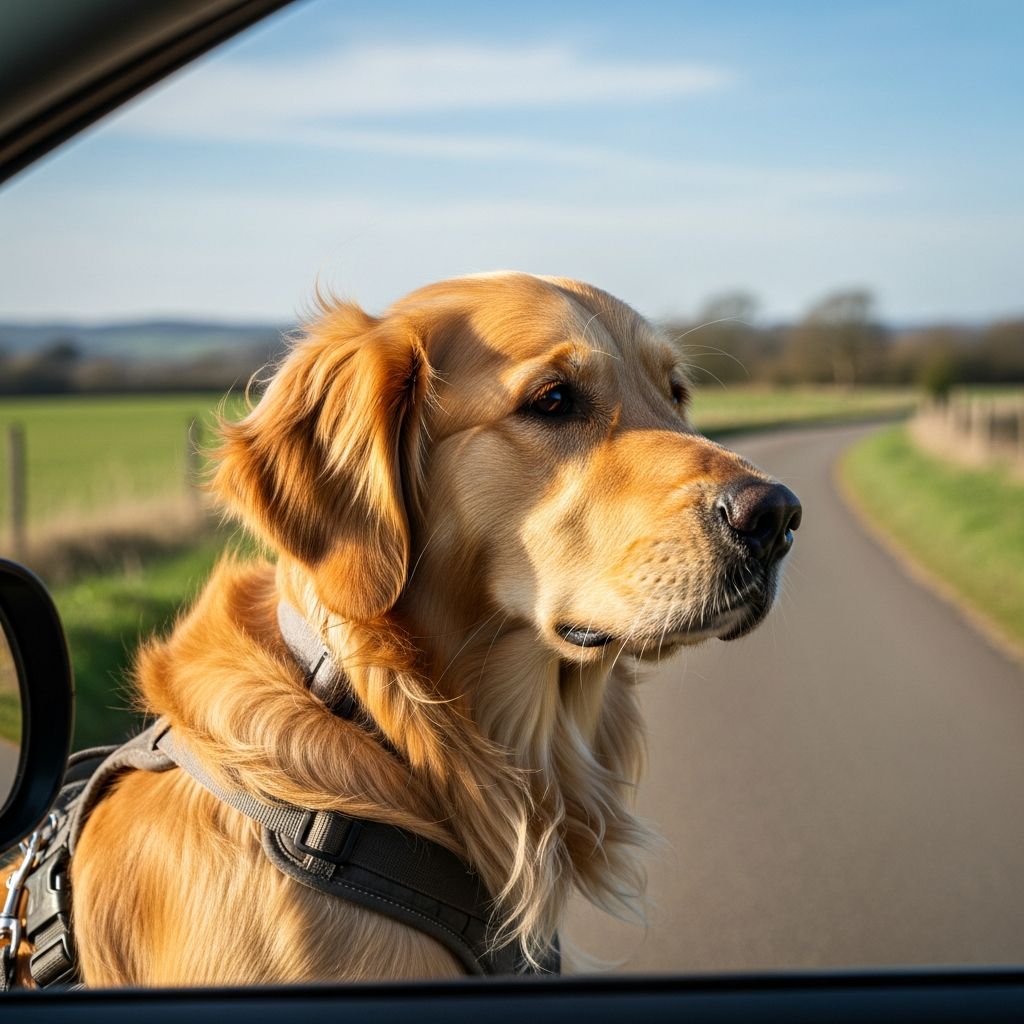
Car sickness affects many dogs, turning routine trips into distressing ordeals marked by nausea, anxiety, and vomiting. This condition arises from a mismatch between visual cues and inner ear signals, often compounded by stress or past negative experiences. Puppies are particularly susceptible due to immature balance systems, though some adults persist with symptoms. Addressing it involves behavioral training, environmental tweaks, and medical interventions tailored to your dog’s needs.
Understanding the Roots of Motion Discomfort in Canines
The vestibular system in a dog’s inner ear detects motion and maintains balance. During car travel, this system receives signals of movement that conflict with what the eyes perceive—especially if the dog faces backward or in a confined space. This sensory mismatch triggers nausea, similar to human motion sickness. Young dogs experience this more frequently because their ear structures are still developing, often improving by one year of age.
Psychological factors play a significant role too. Dogs associating vehicles with vet visits or unpleasant outcomes develop anxiety, amplifying physical symptoms. Limited exposure to car rides exacerbates this, creating a cycle of fear and discomfort. Medical issues like ear infections or vestibular disorders can mimic or worsen symptoms, necessitating a vet check to rule them out.
Spotting the Warning Signs Early
Recognizing symptoms allows prompt intervention. Dogs rarely verbalize discomfort, but behavioral cues are clear:
- Excessive salivation or lip licking
- Whining, panting, or trembling
- Restlessness, pacing, or hiding
- Lethargy or unusual stillness
- Vomiting or retching
- Reluctance to enter the vehicle
Observe patterns: Does distress begin pre-ride, indicating anxiety, or only during motion? Puppies may show milder signs initially, progressing to full episodes on longer drives. Early detection prevents escalation and aids in customizing relief strategies.
Practical Habits to Minimize Discomfort
Simple changes in routine and setup can significantly reduce episodes. Start with feeding: Skip meals 12 hours before travel to avoid an empty stomach triggering vomit, but provide water access. Position your dog forward-facing in a secure crate or harnessed seatbelt to align sightlines with motion. Crack windows for fresh air circulation, equalizing pressure and dispersing odors that provoke nausea. Maintain a cool interior with AC or ventilation.
Short, frequent stops help: Pause every 30-60 minutes for walks, water, and relief. Play soft music or white noise to mask engine sounds and soothe nerves. Avoid abrupt starts or sharp turns by driving smoothly.
Gradual Training for Lasting Tolerance
Desensitization builds positive car associations over time, addressing both motion and anxiety roots. Begin parked: Sit inside with engine off, offering high-value treats or play. Progress to engine idling, then brief 5-minute drives, gradually extending duration and distance. Reward calm behavior consistently.
Counter-conditioning pairs rides with joy—feed meals in the car or follow short trips with park visits. Consistency is key; daily sessions for 1-2 weeks yield results. Track progress in a journal to adjust pace. This method proves effective for 70-80% of cases, per veterinary insights, often eliminating need for drugs.
Veterinary Medications and Supplements
For persistent cases, consult a vet for tailored options. Anti-nausea drugs like maropitant (Cerenia) block vomiting signals, administered 1-2 hours pre-trip. Antihistamines such as dimenhydrinate (Dramamine), meclizine, or diphenhydramine (Benadryl) reduce drooling and dizziness; dosages are weight-based.
Anxiolytics like diazepam calm travel stress. Natural aids include ginger supplements or herbal calmers, but vet approval ensures safety. Prescription strength varies by severity—start low to monitor side effects like drowsiness.
| Medication Type | Examples | Primary Benefit | Admin Timing |
|---|---|---|---|
| Anti-Nausea | Cerenia, Dramamine | Prevents vomiting | 1-2 hours before |
| Antihistamine | Benadryl, Meclizine | Reduces drool/dizziness | 30-60 min before |
| Anxiolytic | Diazepam | Lowers anxiety | 1-2 hours before |
Special Tips for Puppies and Seniors
Puppies outgrow symptoms as balance matures, but gentle exposure hastens adaptation. Use smaller crates for security and limit rides to essentials initially. Seniors may face renewed issues from age-related vestibular decline or medications; softer interventions like frequent breaks suit them.
Brachycephalic breeds (e.g., Bulldogs) struggle more due to airway constraints—prioritize ventilation. Large breeds benefit from hammock-style beds for stability.
Long-Haul Travel Strategies
Extended journeys demand planning. Combine methods: Pre-medicate, desensitize beforehand, pack familiar bedding/toys. Overnight midway if possible. Hydrate via ice cubes to prevent gulping. Monitor for dehydration signs like dry gums.
Frequently Asked Questions
Will my puppy outgrow car sickness?
Yes, most do by 12 months as inner ears mature, aided by early training.
Are over-the-counter meds safe?
Options like Benadryl work for many, but vet dosing prevents overdose risks.
Can anxiety alone cause vomiting?
Absolutely; stress triggers nausea independently of motion.
How long does desensitization take?
1-4 weeks with daily practice, varying by dog.
What if symptoms persist despite efforts?
Seek vet evaluation for underlying conditions like ear issues.
Holistic and Preventive Approaches
Incorporate acupressure mats or calming collars pre-trip. Essential oils like lavender (diluted) may relax, but avoid direct inhalation. Annual vet checks catch predisposing factors early. Track rides in an app to correlate triggers and solutions.
Ultimately, patience and consistency transform car trips into enjoyable adventures. Most dogs adapt fully, fostering stronger bonds through shared travels.
References
- Motion Sickness in Dogs — VCA Animal Hospitals. 2023. https://vcahospitals.com/know-your-pet/motion-sickness-in-dogs
- Dog Motion Sickness: What It Is and How To Help Your Dog — PetMD. 2024. https://www.petmd.com/dog/conditions/digestive/dog-motion-sickness-what-it-and-how-help-your-dog
- Carsickness in Dogs: What to Know — American Kennel Club. 2023. http://www.akc.org/expert-advice/health/car-sickness-in-dogs/
- Causes and Treatment of Motion Sickness in Dogs — Today’s Veterinary Practice. 2019-07-01. https://todaysveterinarypractice.com/wp-content/uploads/sites/4/2019/07/Causes-and-Treatment-of-Motion-Sickness-in-Dogs.pdf
- Recognizing Car Sickness in Dogs & How to Help — Bond Vet. 2024. https://bondvet.com/blog/car-sickness-in-dogs
Similar Articles








Read full bio of medha deb




