Easing Bath Anxiety in Dogs
Transform your dog's dreaded bath time into a calm, enjoyable routine with proven strategies for reducing stress and building positive associations.
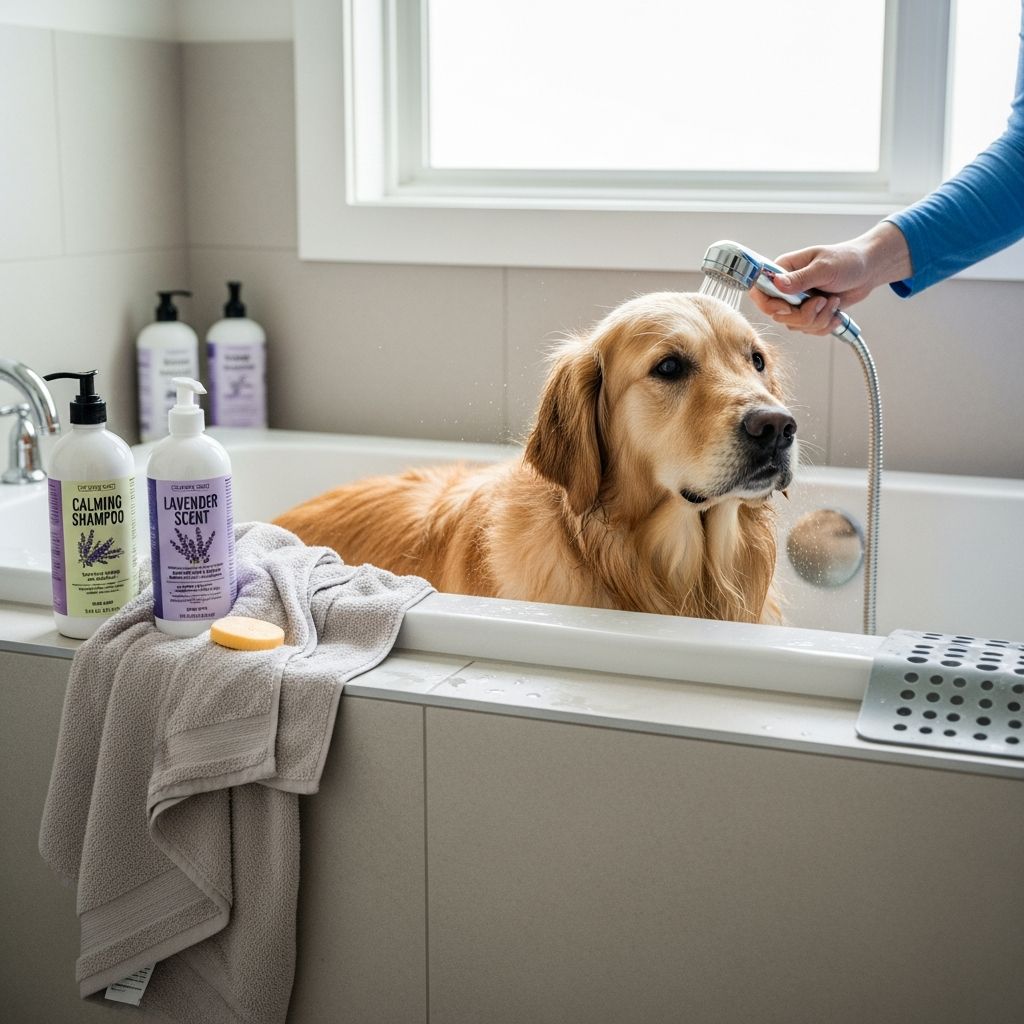
Many dogs view bath time as a source of dread, exhibiting signs of stress like trembling, whining, or attempts to escape. This reaction stems from unfamiliar sensations, slippery surfaces, and invasive handling, but with consistent, patient approaches, owners can significantly reduce this anxiety and foster a more relaxed grooming experience.
Recognizing Signs of Bath-Related Stress
Understanding your dog’s discomfort is the first step toward improvement. Common indicators include dilated pupils, flattened ears, lip licking, yawning excessively, panting without exertion, tucked tail, or avoidance behaviors around water sources. Observing these cues allows you to intervene early and tailor your strategy effectively.
- Physical signs: Shaking, cowering, or rigid posture during handling.
- Vocal cues: Whining, growling, or barking in protest.
- Behavioral avoidance: Bolting from the bathroom or refusing to enter.
By noting these patterns, you can track progress over sessions and adjust techniques accordingly.
Building Positive Associations Gradually
Counter-conditioning transforms negative perceptions by pairing bath elements with rewards. Start sessions without water, simply luring your dog near the tub with high-value treats or toys reserved exclusively for this activity. Gradually introduce water sounds, then splashes, rewarding calm behavior throughout.
Practice commands like “tub” for entry and “out” for exit, reinforcing with praise. Sessions should last just a few minutes initially, extending only as tolerance grows. This methodical exposure prevents overwhelm and builds confidence.
Pre-Bath Preparation Routines
A well-prepared dog is less likely to panic. Begin with exercise to expend energy—a brisk 30-45 minute walk or play session tires them out, promoting relaxation. Follow with gentle brushing to detangle fur, which doubles as a soothing massage and removes loose hair for easier rinsing.
| Pre-Bath Step | Purpose | Duration |
|---|---|---|
| Energetic Walk/Play | Reduce pent-up energy | 30-45 minutes |
| Coat Brushing | Detangle and soothe | 10-15 minutes |
| Treat-Fed Tub Visits | Positive space association | 5 minutes |
These steps set a calm tone, making the transition to bathing smoother.
Optimizing the Bath Environment
A secure setup minimizes slips and surprises. Install a non-slip mat in the tub for stable footing, especially vital for larger breeds. Use lukewarm water—test on your wrist to ensure comfort—and avoid directing streams at the face initially. Dilute shampoo for sensitive areas to reduce suds and irritation.
- Position a fan nearby for post-bath drying without excessive noise.
- Dim lights and play soft classical music or white noise to mask water sounds.
- Keep towels and treats within arm’s reach for seamless transitions.
Handle paws, ears, and tail last, as these are often most sensitive.
Techniques During the Bath
Gentle, deliberate movements are key. Speak in a soothing tone, offering treats for standing still. Use a handheld sprayer for control, starting from the back and working downward. Incorporate lick mats suctioned to the tub wall, smeared with peanut butter, to provide distraction and reward.
For highly anxious dogs, consider waterless options like no-rinse shampoos or bath mitts—dampened gloves infused with cleansers that wipe away dirt without full immersion. These are ideal starters for severe fears.
Incorporating Calming Aids
Natural supplements can enhance relaxation. Products containing chamomile, lavender, or hemp-derived CBD promote calm without sedation. Administer 30 minutes prior per product guidelines. Essential oils like lavender, diluted and applied to bedding, create a spa-like aroma.
Always consult a veterinarian before introducing new aids, especially for dogs on medications.
Post-Bath Care and Reinforcement
End on a high note to solidify positives. Wrap in a warm towel for gentle drying, avoiding rough rubbing. Offer a cozy spot with their favorite toy or a small meal. This closure links completion with comfort, encouraging future cooperation.
Alternatives for Extreme Bath Phobia
If traditional baths remain untenable, explore professional grooming salons equipped for anxious pets or dry shampoo powders that absorb oils. Hose-free systems or self-serve dog washes with familiar handlers provide variety. Frequency matters less than hygiene—spot cleaning with damp cloths suffices between deep cleans.
- Bath mitts: Pre-soaked, disposable for targeted cleaning.
- Dry shampoos: Brush-on powders for oil absorption.
- Professional services: Certified low-stress handlers.
Common Mistakes to Avoid
Rushing the process heightens fear, as dogs sense owner frustration. Forcing participation erodes trust. Over-washing strips natural oils, causing dry skin and reluctance. Stick to every 4-6 weeks unless medically advised.
Long-Term Success Strategies
Consistency yields results over weeks or months. Track sessions in a journal, noting triggers and improvements. Involve family members for uniform approaches. For persistent issues, seek a certified behaviorist specializing in force-free methods.
Frequently Asked Questions
How often should I bathe my dog?
Most dogs need baths every 4-8 weeks, depending on breed, coat, and lifestyle. Over-bathing leads to skin issues.
What if my dog panics during the first few tries?
Revert to dry runs with rewards. Progress at their pace; short successes build momentum.
Are calming treats safe for all dogs?
Generally yes, but check ingredients for allergies and vet approval, particularly for puppies or seniors.
Can I use human shampoo?
No—dog skin pH differs, risking irritation. Opt for pet-formulated products.
What breeds are most bath-averse?
Water-shy breeds like Basenjis or those with past trauma, but any dog can develop aversion without proper introduction.
References
- PetMD: 10 Ways to Calm Your Dog Naturally — PetMD. 2023-05-15. https://www.petmd.com/dog/general-health/how-to-calm-your-dog-naturally
- Grooming & Anxiety in Dogs: What to Do & Help — Meadow Vista Veterinary Clinic. 2023-02-15. https://www.meadowvistavet.com/site/blog/2023/02/15/grooming-anxiety-dogs
- Bath Alternatives for Fearful Dogs — Dogkind Training. 2022-07-11. https://www.dogkindtraining.com/blog/dog-bath-alternatives
- 8 Ways to Make Your Dog’s Bathtime Less Stressful — Chewy Education. Accessed 2026. https://www.chewy.com/education/dog/grooming/health-grooming-8-ways-to-make-your-dogs-bathtime-less-stressful
- Calming Dog Bathing: Easing Anxiety — The Groomery and Co. Accessed 2026. https://thegroomeryandco.com/calming-dog-bathing-easing-anxiety/
Similar Articles








Read full bio of Sneha Tete