

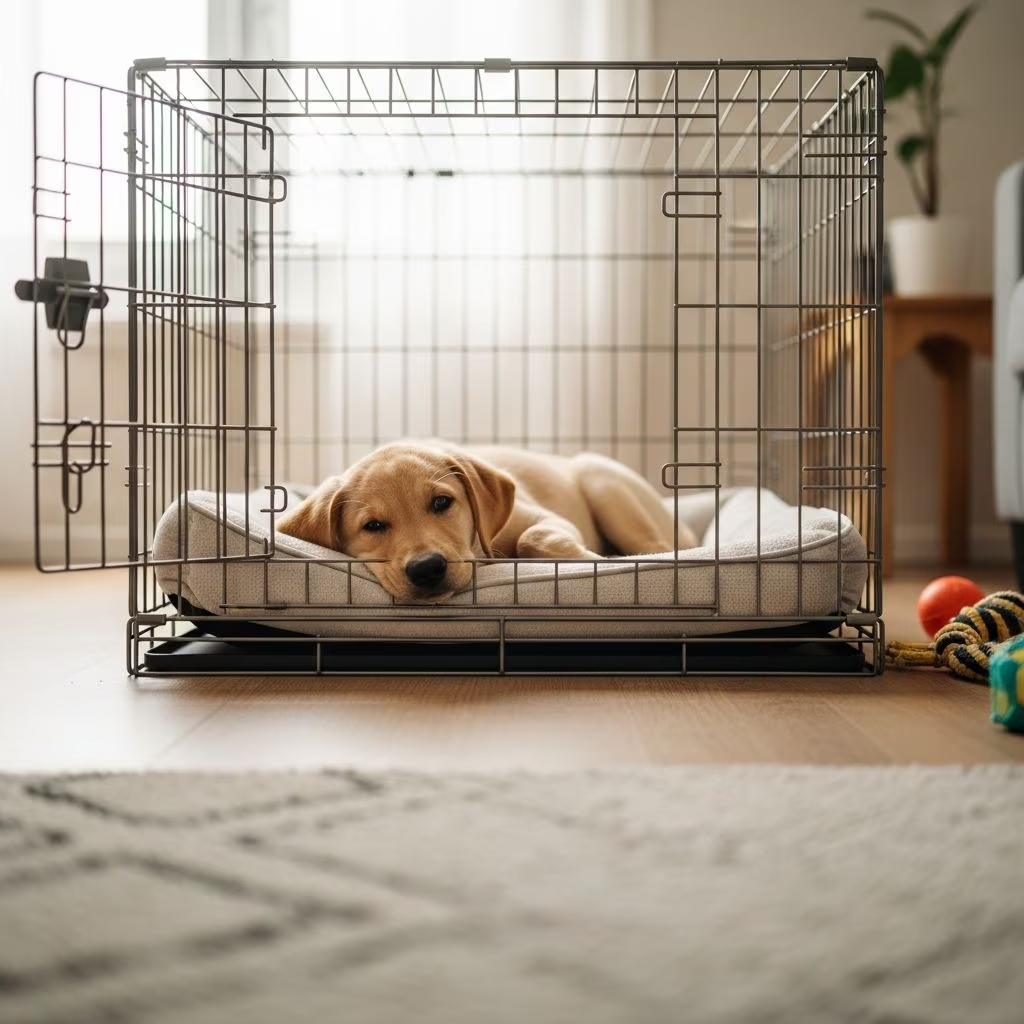
Crate training is one of the most useful skills you can teach a new puppy. Done well, a crate becomes your dog’s cozy den: a place to rest, feel safe, and learn healthy routines. Done poorly, it can create stress and fear. This guide walks you through a gentle, step‑by‑step approach so your puppy learns to love their crate, not fear it.
What Is Crate Training?
Crate training means teaching your puppy to relax comfortably in a dog crate for short periods of time, both when you are home and when you are away. The crate acts like a bedroom or den, not a cage or punishment.
Think of the crate as your puppy’s:
- Safe space to rest when they’re tired or overwhelmed
- Management tool to prevent chewing and other trouble when you can’t supervise
- Potty training helper to build good bathroom habits
- Travel crate for car rides, vet visits, or emergencies
When introduced gradually and positively, most dogs can learn to settle comfortably in a crate and even seek it out on their own.
Why Crate Training Is Beneficial for Puppies and Dogs
Crate training is a form of confinement training, similar to using pens or baby gates to limit your dog’s access to certain areas. Used correctly, it supports both your puppy’s well‑being and your household’s sanity.
| Benefit | How the Crate Helps |
|---|---|
| Housebreaking | Dogs naturally avoid soiling their sleeping area, which helps teach bladder and bowel control when combined with regular potty breaks. |
| Chewing & safety | Keeps puppies away from electrical cords, toxins, and household items when not supervised. |
| Calm & routine | Provides a predictable sleep and rest spot, helping puppies settle and nap more easily. |
| Travel & vet visits | Dogs used to crates handle transport and hospital stays with less stress. |
| Emergency preparedness | In evacuations or boarding, being crate‑trained reduces fear and confusion. |
Animal behavior experts and veterinarians widely recommend crate training when it is done humanely, emphasizing that the crate must feel safe and should never be used for punishment.
Choosing the Right Crate
Before you start training, choose a crate that fits your dog’s body and your home.
- Size: Your puppy should be able to stand up, turn around, and lie down comfortably, but not have so much space that they can toilet in one corner and sleep in another.
- Type: Common options include wire crates, plastic airline crates, and soft‑sided crates. Wire and plastic crates are usually best for training because they’re secure and easy to clean.
- Location: Place the crate in a living area where you spend time, not in total isolation. At night, many families keep the crate in the bedroom or nearby so puppies feel reassured.
Step‑by‑Step: How to Crate Train Your Puppy
Crate training works best when you move in small steps and let your puppy set the pace. For some puppies, this process may take a few days; for others, several weeks.
1. Make the Crate Comfortable
First, turn the crate into an inviting place.
- Add a soft blanket, towel, or thin bed (unless your puppy tends to chew bedding).
- Leave the crate door open so your puppy is free to walk in and out.
- Keep the crate in a spot where your family spends time so your puppy doesn’t feel isolated.
Your goal in this phase is simply: crate = cozy and safe.
2. Introduce Your Puppy to the Crate
Next, help your puppy explore the crate without pressure.
- Call your puppy over and let them sniff around the crate at their own pace.
- Toss a few treats or a favorite toy just inside the crate door and allow them to go in to retrieve them.
- Gradually toss treats farther inside, rewarding any step toward or into the crate.
- Never shove or drag your puppy inside; that can create a lasting negative association.
Spend a few short sessions like this over a couple of days until your puppy readily goes into the crate to get treats or toys.
3. Create a Positive Association with Mealtimes
Once your puppy is comfortable entering the crate, begin feeding meals inside to deepen the positive connection.
- Place your puppy’s food bowl just inside the crate at first, leaving the door open.
- As they relax, move the bowl farther back so they stand fully inside while eating.
- After a few meals, gently close the door while they eat, then open it as soon as they finish.
- Gradually lengthen the time the door stays closed after they finish eating, adding a small chew or treat inside.
Food is a powerful reinforcer; research consistently shows that positive reinforcement, like treats and praise, is more effective and less risky than punishment‑based methods.
4. Add a Crate Cue and Short Practice Sessions
When your puppy is comfortable going in for meals and treats, start teaching a specific cue for entering the crate.
- Stand by the crate with a treat, point inside, and say a cue such as “crate” or “bed” as your puppy steps in.
- As soon as they enter, praise and hand over the treat.
- Close the door, sit quietly nearby for a few minutes, and then let them out before they become upset.
- Repeat several short sessions a day instead of one long one.
Over time, your puppy will learn that hearing the cue means going into their crate leads to good things.
5. Gradually Increase Crate Time
Now, build your puppy’s ability to relax in the crate for longer stretches while you’re home.
- Ask your puppy to go into the crate with your cue and give them a chew, stuffed food toy, or safe long‑lasting treat.
- Close the door and stay in the same room, reading or working quietly.
- Start with just a few minutes and slowly increase the duration as long as your puppy stays mostly calm.
- Occasionally leave the room for a minute or two, then come back, wait for a brief pause in any whining, and let them out.
Progress may not be perfectly linear. If your puppy starts to protest more, shorten the next session and make it easier again.
6. Crating Your Puppy When You Leave
Once your puppy can relax in the crate while you move around the house, you can begin short absences.
- Take your puppy outside for a potty break first.
- Guide them into the crate with your cue and a special treat they only get during crate time.
- Leave the house for a few minutes, keeping departures and returns calm and low‑key.
- Gradually extend the time you’re gone as long as your puppy remains relaxed.
Most guidelines suggest puppies under six months should not be crated for more than about 3–4 hours at a time during the day, because their bladders and social needs are still developing.
Nighttime Crate Training
Many families use the crate at night to help puppies sleep safely and support housebreaking.
- Place the crate in your bedroom or nearby at first so your puppy can hear and smell you.
- Give a last potty break before bedtime, then calmly guide your puppy into the crate with your cue and a small treat.
- Expect at least one or two nighttime potty breaks with young puppies; they cannot reliably hold it all night.
- Take your puppy out quietly for bathroom trips, then return them directly to the crate.
Over time, as your puppy learns the routine, bedtime in the crate often becomes a clear signal that it’s time to sleep.
How Long Can a Dog Stay in a Crate?
Crates are designed for short‑term confinement, not all‑day storage. Overusing a crate can cause frustration, anxiety, and physical discomfort.
- Puppies under 6 months: Typically no more than 3–4 daytime hours at a stretch, plus overnight sleep with potty breaks.
- Adult dogs: Many experts advise avoiding more than about 4–6 hours routinely during the day, except overnight when the dog is sleeping.
- Seniors and dogs with medical issues: May need shorter crate periods and more frequent potty breaks based on veterinary guidance.
If you are routinely away longer than this, consider options like pet sitters, dog walkers, daycare, or a safe puppy‑proofed room or pen instead of extending crate time.
When Crate Training May Not Be Right
Crate training is helpful for many dogs, but not all. Some dogs may become extremely distressed when confined, which can lead to self‑injury or worsening anxiety.
You may need alternatives if your dog:
- Panics in the crate (biting bars, throwing themselves at the sides, injuring their paws or mouth)
- Has diagnosed separation anxiety, where confinement can intensify panic
- Has a trauma history involving confinement or small spaces
In these cases, behavior experts recommend working with a qualified trainer or veterinary behaviorist to design a different confinement plan, such as a larger pen or baby‑gated room, paired with behavior modification.
Crate Training Do’s and Don’ts
- Do make the crate cozy, calm, and rewarding.
- Do use food, toys, and praise to build a positive association.
- Do introduce the crate gradually and respect your puppy’s pace.
- Do combine crate time with a consistent potty and exercise schedule.
- Don’t use the crate as punishment; this undermines your puppy’s trust and can create fear.
- Don’t leave a young puppy crated for long hours without breaks.
- Don’t let children tease or disturb a dog resting in the crate.
Troubleshooting Common Crate Training Problems
My Dog Seems Scared of the Crate
If your puppy appears fearful—refusing to go near the crate, cowering, or showing stress signals—slow down and use counter‑conditioning to change their emotional response.
- Keep the door propped open or remove it temporarily so the crate can’t close.
- Place treats, toys, or meals near the crate at a distance where your puppy is still comfortable.
- Gradually move the rewards closer, then just inside the door, then farther inside over several sessions.
- Reward any choice your puppy makes to look at, sniff, or step toward the crate.
The goal is for your puppy to decide the crate predicts good things, not to feel forced inside.
My Puppy Cries in the Crate
Whining is common when puppies are learning to be alone. To avoid teaching them that crying makes the door open, try to:
- Make sure they’ve had exercise, play, and a potty break before crating.
- Provide a safe chew toy or food puzzle inside.
- Wait for a brief pause in the noise before opening the crate.
- If the crying escalates into panic, shorten the session next time and go back a step in training.
If your puppy’s distress is intense, or they cannot calm down even with gradual practice, consult a professional trainer or veterinary behaviorist to rule out anxiety disorders.
Can I Use the Crate as Punishment?
No. Behavior specialists strongly advise never using the crate as punishment.
- Yelling, dragging your dog, and slamming the crate door will teach them that the crate is scary.
- Dogs may then resist going in or feel trapped and anxious once inside.
- Instead, use the crate for quiet time, naps, and positive experiences so it remains a trusted safe zone.
Sample Crate Training Day for a Young Puppy
This is just an example; adjust based on your puppy’s age, breed, and your schedule.
- Morning: Wake, potty break, breakfast in the crate with door open → short play → brief crate rest with a chew.
- Late morning: Potty, play, short training session → 30–60 minutes in crate while you work nearby.
- Afternoon: Potty, walk or play, lunch (if fed) partly in the crate → nap time in crate.
- Evening: Potty, family time with crate door open so puppy can come and go, then one more short practice session with door closed.
- Night: Last potty break, bedtime in crate in your room, with one or more nighttime potty trips as needed.
Frequently Asked Questions (FAQs)
Q: How long does crate training usually take?
A: Many puppies learn basic crate comfort within a few days, but truly relaxed, longer crate stays can take several weeks of gradual practice. Go at your puppy’s pace and avoid rushing steps.
Q: Is it cruel to crate a dog at night?
A: When done humanely—with an appropriately sized crate, comfortable bedding, regular potty breaks, and plenty of daytime exercise—nighttime crating is generally considered acceptable and can help puppies sleep safely. It becomes problematic if dogs are distressed, crated excessively, or if the crate is used as punishment.
Q: Can I crate my dog while I’m at work?
A: Long workdays usually exceed recommended crate times for both puppies and adult dogs. If you’re gone more than about 4–6 hours, consider alternatives like a dog walker, daycare, or a safe pen or room, and reserve the crate for shorter periods.
Q: Is crate training suitable for all dogs?
A: Crate training works for many dogs, but not for those who show intense panic when confined or have severe separation anxiety. These dogs often do better with larger spaces and a tailored behavior plan designed by a professional.
Q: When should I stop using the crate?
A: Many families keep the crate available for life as a safe resting place, even after the dog no longer needs it for management. As your dog matures and proves trustworthy in the home, you can gradually give more freedom while still keeping the crate as an option, especially for travel or emergencies.
References
- Dog Training: How to Crate Train a Puppy — Kinship. 2024-01-10. https://www.kinship.com/uk/dog-behaviour/crate-training
- Crate Training Made Easy — Whole Dog Journal, Pat Miller. 2011-06-01. https://www.whole-dog-journal.com/training/crate-training-made-easy/
- Is It Cruel to Crate a Dog at Night? — Adopt a Pet, Katie Koschalk. 2025-04-09. https://www.adoptapet.com/blog/behavior-training/cruel-to-crate-dog-at-night
- How to Crate Train an Older Dog — Adopt a Pet. 2024-05-15. https://www.adoptapet.com/blog/behavior-training/how-to-crate-train-an-older-dog
- Crate Training Your Dog — American Kennel Club. 2023-08-21. https://www.akc.org/expert-advice/training/how-to-crate-train-your-dog/



