
Help Ease Arthritis in Cats with These 5 Pet Beds
Discover the best orthopedic pet beds designed to comfort arthritic cats and improve their quality of life.
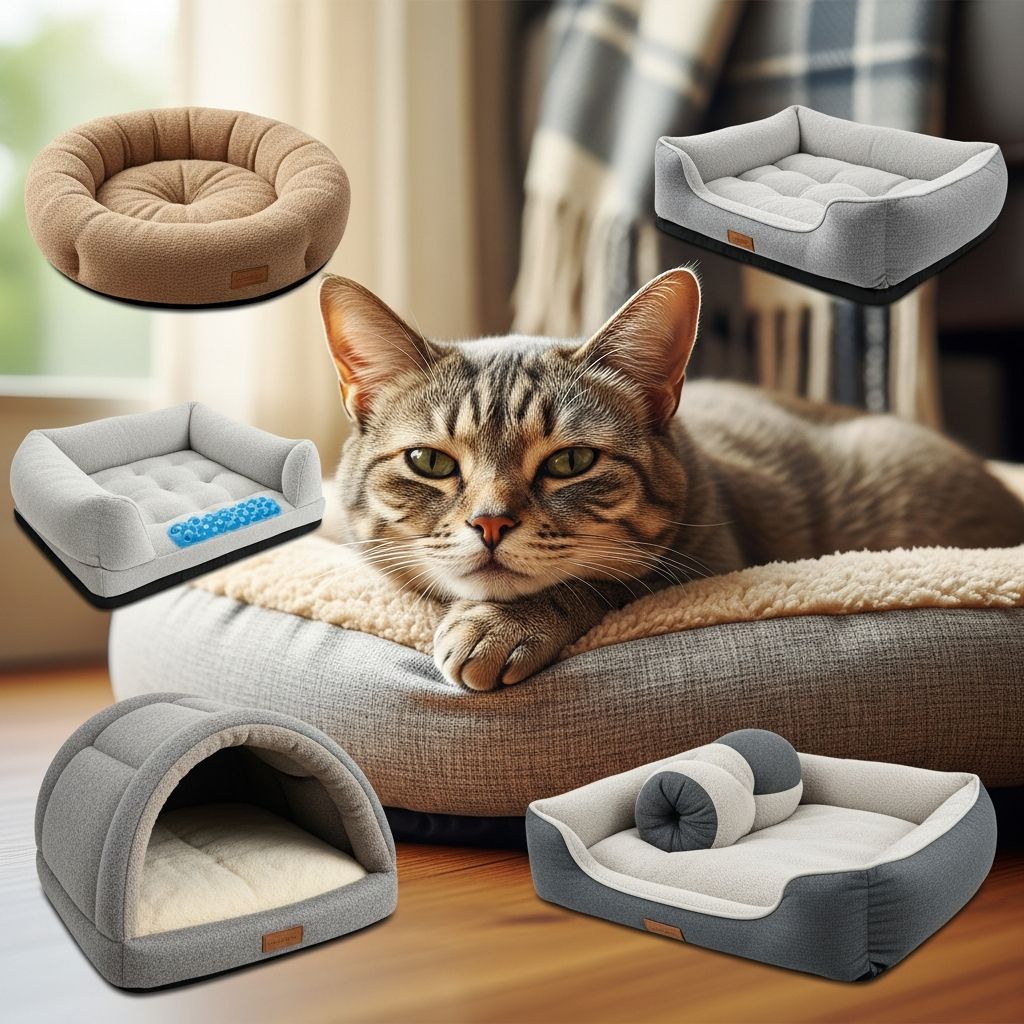
Feline arthritis, medically known as osteoarthritis, affects a significant number of cats, particularly as they age. This degenerative joint condition causes discomfort and reduced mobility, making everyday activities like jumping, climbing, and even basic grooming challenging for affected cats. While pharmaceutical treatments and physical therapies play important roles in managing arthritis, the environment where cats rest and sleep is equally critical for their overall comfort and well-being. One of the most effective ways to support an arthritic cat is by providing a comfortable, supportive pet bed designed specifically for their needs.
A well-designed orthopedic pet bed can significantly improve your cat’s quality of life by reducing joint pain, providing adequate support, and creating a cozy sanctuary for rest and recovery. Since cats spend a considerable portion of their day sleeping and resting, the right bed can make a tremendous difference in managing arthritis symptoms and promoting better overall health. This guide explores five exceptional pet bed options that can help ease arthritis in cats while addressing their unique comfort requirements.
Understanding Feline Arthritis and the Importance of Proper Bedding
Arthritis occurs when the cartilage between a cat’s joints wears away because of age or injury. As cartilage deteriorates, the underlying bone becomes exposed, leading to inflammation, stiffness, and chronic pain. Cats with arthritis often experience difficulty performing normal activities, including struggling to get in and out of the litter box, becoming reclusive, and showing reluctance to jump up or down. Additionally, cats may display limping, stiffness in the legs—especially after resting or sleeping—reduced levels of activity, and less time spent grooming themselves.
Environmental modifications, including providing appropriate bedding, are crucial components of multimodal arthritis management. A supportive pet bed helps distribute your cat’s weight evenly across the surface, reducing pressure on arthritic joints and allowing muscles to relax fully during rest periods. Quality bedding also provides insulation, which can ease stiff joints and promote better circulation. Furthermore, a comfortable resting space encourages your cat to rest adequately, which is essential for managing pain and maintaining overall health.
Key Features to Look for in Arthritis-Friendly Pet Beds
When selecting a pet bed for a cat with arthritis, several important features should be considered to ensure maximum comfort and support:
Orthopedic Support
Memory foam and other orthopedic materials contour to your cat’s body, providing targeted support that alleviates pressure on sensitive joints. These materials help distribute weight evenly, reducing the strain on arthritic areas.
Adequate Cushioning
Thick, high-quality cushioning absorbs impact and provides comfort. Cats with arthritis benefit from beds that offer substantial padding without being too soft, which could cause difficulty getting in and out.
Easy Entry and Exit
Low-sided beds or beds with ramps make it easier for arthritic cats to access their resting space without requiring excessive jumping or climbing. This feature is particularly important for cats with limited mobility.
Temperature Regulation
Materials that retain warmth can help ease joint stiffness and provide comfort. Some cats benefit from slightly heated beds, though proper ventilation is also important to prevent overheating.
Washable Materials
Quality, removable covers that are machine-washable make maintenance easy while ensuring the bed remains clean and hygienic for your cat’s health.
Five Excellent Pet Beds for Arthritic Cats
1. Premium Memory Foam Orthopedic Bed
Memory foam orthopedic beds represent one of the best options for cats with arthritis. These beds are specifically designed to conform to your cat’s body shape, providing personalized support that reduces pressure on joints. The high-density foam layers work together to distribute weight evenly, minimizing stress on arthritic areas. Many premium options feature gel-infused foam that helps regulate temperature, keeping your cat comfortably cool or warm as needed. The cushioning is firm enough to provide proper support while remaining soft enough for comfort, striking the perfect balance for arthritic cats. Additionally, many of these beds come with washable covers that can be removed and cleaned regularly, ensuring a hygienic resting environment.
2. Heated Orthopedic Pet Bed
Warmth can provide significant relief for cats with arthritis. Heated orthopedic beds combine the benefits of memory foam support with gentle heat therapy, which can help ease joint stiffness and improve circulation. These beds typically feature adjustable temperature settings, allowing you to find the perfect warmth level for your cat’s comfort. The heat is distributed evenly across the bed’s surface, providing consistent therapeutic benefits throughout rest periods. Many heated beds include safety features like automatic shut-off to prevent overheating. For cats that struggle with morning stiffness and reduced mobility after sleeping, a heated bed can make a significant difference in helping them move more comfortably when they wake up.
3. Low-Entry Ramp Bed
For cats with severe arthritis or mobility challenges, beds designed with integrated ramps or extremely low entry points can be transformative. These beds eliminate the need for jumping or climbing, allowing cats to walk smoothly onto the bed surface at ground level or using a gentle ramp. The extended entry area helps arthritic cats access their bed independently without pain or strain. The beds themselves typically feature the same orthopedic support and cushioning as standard orthopedic beds, combined with thoughtful design that prioritizes accessibility. This option is particularly beneficial for senior cats or those with advanced arthritis.
4. Raised Orthopedic Pet Bed with Storage
Some raised beds with orthopedic features offer an excellent compromise between easy entry and premium support. These beds elevate your cat slightly off the floor while maintaining a low enough profile for easy access. The raised design helps with airflow and can make it easier for arthritic cats to stand and move. Many raised orthopedic beds include storage underneath, making them functional furniture pieces that blend seamlessly with home décor. The elevated platform can also keep cats away from drafts and cooler floor areas, providing additional warmth and comfort during rest periods.
5. Donut or Nest-Style Comfort Bed
Donut and nest-style beds with orthopedic support provide a sense of security while offering excellent joint support. The raised sides of these beds create a cozy, enclosed space that many cats find comforting, while the cushioned interior provides the necessary orthopedic support for arthritic joints. The nest design helps cats feel secure and protected, which can reduce stress and encourage more restful sleep. The soft sides are padded and provide additional cushioning for cats that rest their heads on the edge of the bed. Many nest-style beds are available in various sizes to accommodate different cat sizes and preferences.
Complementary Treatments for Feline Arthritis
While a comfortable, supportive pet bed is an essential component of arthritis management, a comprehensive approach to feline arthritis care typically includes multiple treatment modalities. Understanding these complementary treatments can help you create the most effective pain management plan for your arthritic cat.
Medication Options
Non-steroidal anti-inflammatory drugs (NSAIDs) are the most common pharmaceutical treatment for cat arthritis, prescribed by a licensed veterinarian to help determine the appropriate duration and type of treatment. For cats that cannot tolerate traditional NSAIDs, pain management medications provide an alternative approach. Additionally, Solensia (frunevetmab), a monoclonal antibody treatment approved by the FDA in 2022, represents a newer option specifically designed for long-term use in cats with arthritis, as it targets the substance in the body that causes chronic pain. Injectable joint protectants containing glycosaminoglycans offer another option, helping relieve arthritic pain through veterinarian-administered injections approximately every four weeks.
Physical Therapy and Rehabilitation
Physical rehabilitation translates physical therapy techniques from human medicine to feline patients, incorporating therapeutic lasers, therapeutic exercises, joint mobilization, and hydrotherapy using an underwater treadmill. These techniques help maintain and build muscle mass to support weakened skeleton and joints, decrease inflammation, improve mobility, increase joint fluid production, and reduce pain. Physical therapy can include a variety of exercises and treatments devised to meet each cat’s particular needs, with some massage techniques that can be taught to pet owners for at-home muscle pain relief.
Alternative Therapies
Laser therapy directs an exact frequency of light into tissues to help reduce pain, increase blood flow, and decrease inflammation. Cold laser therapy or photobiomodulation (PBMT) is a noninvasive and painless treatment that allows a veterinarian to move a small device that emits therapeutic light waves across your pet’s body on top of their fur. Medical acupuncture can provide excellent pain relief for many cats with osteoarthritis, and therapeutic massage is another method of providing cats with arthritis pain relief and improved tissue strength. Pulsed electromagnetic field (tPEMF) therapy reduces inflammation and pain by sending a signal into tissue to trigger it to repair itself.
Weight Management and Nutrition
Weight management is a critical component of multimodal arthritis treatment, as excess weight places additional stress on compromised joints. Joint support supplements and nutraceuticals containing essential fatty acids can help repair damaged cartilage and replenish joint fluid. Special joint diets or diet modifications formulated to support joint health can provide additional nutritional support for cats with arthritis.
Environmental Modifications for Arthritic Cats
Beyond providing a supportive bed, several environmental modifications can significantly improve quality of life for cats with arthritis:
Litter Box Accessibility
Provide litter boxes with low sides for easy entry and exit, as difficulty using the litter box is a common sign of feline arthritis. Place boxes on each level of your home to minimize climbing and jumping.
Food and Water Station Elevation
Raised food and water bowls reduce the need for cats to bend down, minimizing strain on affected joints during feeding times.
Strategic Furniture Placement
Position furniture to create pathways and rest areas that minimize jumping and climbing. Use ramps or stairs to help cats access favorite elevated spots without pain.
Temperature Control
Maintain a warm, comfortable environment, as warmth helps ease joint stiffness and inflammation. Provide access to sunny windowsills where your cat can enjoy natural warmth.
Quiet Resting Areas
Create dedicated quiet spaces where your arthritic cat can rest undisturbed, away from high-traffic areas and other household pets.
Frequently Asked Questions
Q: At what age do cats typically develop arthritis?
A: Arthritis can develop at any age, particularly following injuries, but it is most common in senior cats over seven to ten years old. Early intervention with supportive measures like quality bedding can help manage symptoms and slow progression.
Q: Can orthopedic beds completely cure my cat’s arthritis?
A: While orthopedic beds cannot cure arthritis, they provide significant pain relief and comfort by reducing joint strain and supporting proper rest and recovery. They work best as part of a comprehensive multimodal treatment approach.
Q: How often should I replace my cat’s orthopedic bed?
A: Most high-quality orthopedic beds last two to five years, depending on usage and material quality. Replace the bed if the cushioning becomes compressed or no longer provides adequate support.
Q: Are heated beds safe for all cats with arthritis?
A: Heated beds are generally safe for most cats and can provide therapeutic benefits for arthritis symptoms. However, consult with your veterinarian before use if your cat has specific health conditions or sensitivities.
Q: What size bed should I choose for my cat?
A: Choose a bed that allows your cat to stretch out fully while curling up if desired. Measure your cat in both positions and select a bed that accommodates comfortable sleeping in both poses.
Q: Can I use regular beds for arthritic cats?
A: While regular beds provide some comfort, orthopedic beds are specifically engineered to provide the joint support and pain relief that arthritic cats need. The investment in a quality orthopedic bed is worthwhile for cats with arthritis.
Conclusion
Feline arthritis is a chronic condition that significantly impacts quality of life, but with appropriate management strategies, cats with arthritis can enjoy comfort and improved mobility. A supportive, well-designed orthopedic pet bed is one of the most practical and effective ways to ease arthritis symptoms and create a comfortable resting environment for your cat. Combined with veterinary-recommended treatments, physical therapy, appropriate nutrition, and environmental modifications, the right pet bed becomes an integral part of comprehensive arthritis management. By investing in quality bedding and implementing these supportive measures, you can help your arthritic cat enjoy their golden years with greater comfort, reduced pain, and enhanced quality of life. Always consult with your veterinarian to develop a personalized treatment plan that addresses your individual cat’s needs and ensures optimal comfort and health.
References
- Feline Arthritis Do’s and Don’ts — Fairfax Veterinary Clinic. 2024. https://fairfaxvet.com/feline-arthritis-dos-and-donts/
- Cat Arthritis Symptoms, Pain Relief, Treatments, and Types — WebMD Pets. 2024. https://www.webmd.com/pets/cats/cat-arthritis-symptoms-pain-relief
- I Think My Cat Has Arthritis, What Now? — Zoetis Petcare. 2024. https://www.zoetispetcare.com/blog/article/cat-has-arthritis
- Diagnosis and Management of Feline Osteoarthritis — Today’s Veterinary Practice. 2023. https://todaysveterinarypractice.com/orthopedics/diagnosis-and-management-of-feline-osteoarthritis/
- 9 Treatments for Arthritis in Cats: Medications and More — GoodRx Pet Health. 2024. https://www.goodrx.com/pet-health/cat/arthritis-treatment
- Arthritis in Cats — VCA Animal Hospitals. 2024. https://vcahospitals.com/know-your-pet/arthritis-in-cats
Similar Articles








Read full bio of medha deb




