

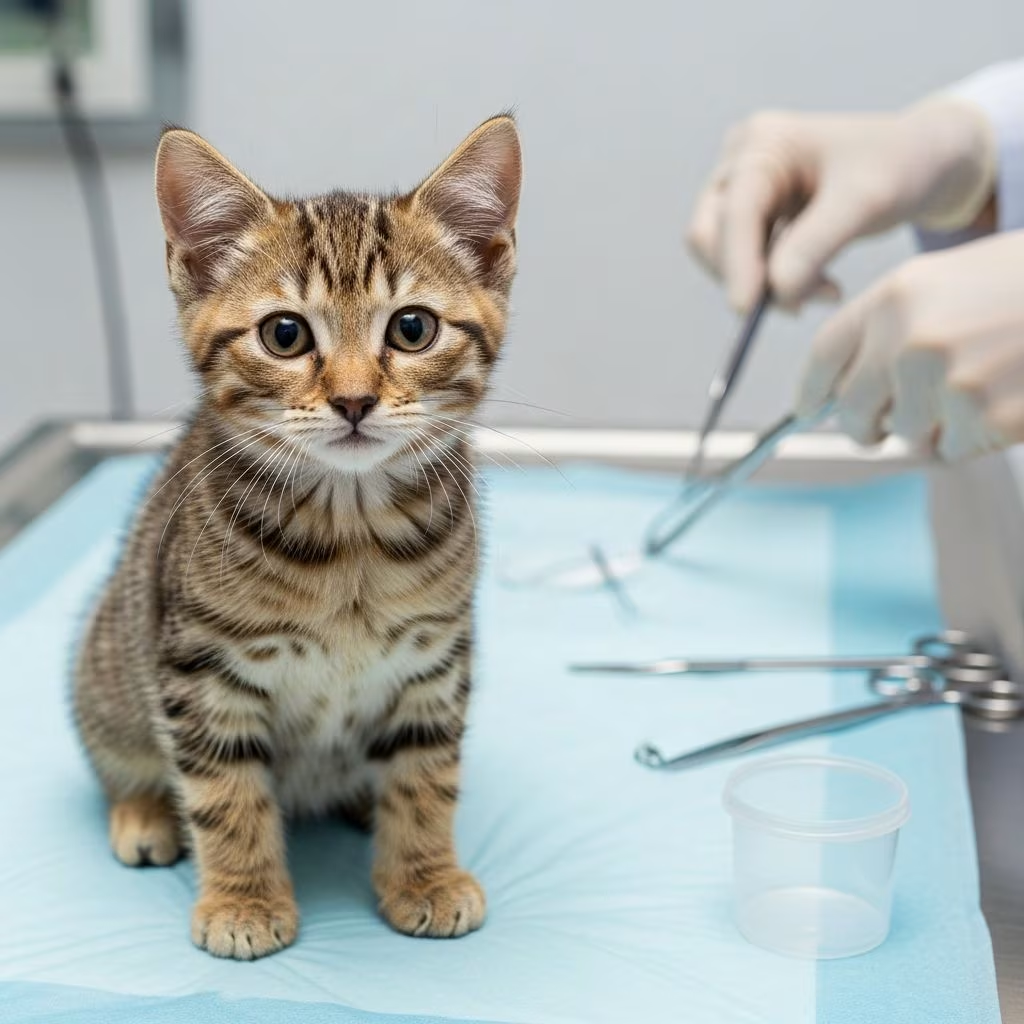
Neutering kittens before they reach puberty, often between 8 weeks and 5 months, has become a common practice among veterinarians to address pet overpopulation and promote health. This procedure, known as prepubertal gonadectomy, removes the testes in males or ovaries and uterus in females, preventing reproduction and altering hormone levels.
Understanding the Optimal Timing for Sterilization
Cats can experience their first heat cycle as early as 4 months, leading to unplanned litters if not addressed promptly. Veterinary guidelines now support neutering at 5 months or even earlier, such as 6-14 weeks for shelter kittens weighing at least 1.5 pounds, to eliminate most pre-sterilization pregnancies.
- Prepubertal neutering targets kittens before sexual maturity, typically under 5 months.
- This timing aligns with rapid growth phases, allowing quicker surgical recovery.
- Traditional waits until 6 months risk heat cycles, increasing mammary cancer odds.
Health Advantages of Prepubertal Neutering
Early sterilization significantly lowers disease risks associated with reproductive organs. For females, spaying before the first heat reduces mammary carcinoma incidence to under 10%, potentially saving tens of thousands of cats annually from this aggressive cancer.
| Health Benefit | Females | Males |
|---|---|---|
| Cancer Prevention | Mammary tumors nearly eliminated; no ovarian/uterine cancers | No testicular cancer; reduced prostate issues |
| Infection Elimination | Pyometra risk removed (life-threatening uterine infection) | Lower disease transmission (FIV, FeLV via fights) |
| Longevity | Studies indicate longer lifespan vs. intact cats | Similar extended life expectancy |
Neutered cats often show decreased rates of asthma, gingivitis, and hyperactivity, though some exhibit more shyness or hiding behaviors post-procedure. These changes stem from absent sex hormones, promoting overall stability.
Behavioral Improvements from Early Intervention
Hormone-driven actions like roaming, aggression, and urine spraying emerge post-puberty in intact cats, prompting shelter surrenders in up to 80% of cases. Neutering at 5 months prevents these, keeping homes odor-free and peaceful.
- Spraying and Marking: Intact males frequently urine-mark; neutering curbs this effectively.
- Aggression Reduction: Fewer fights mean less injury risk and disease spread.
- Roaming Prevention: Cats stay home, avoiding traffic, predators, and getting lost.
- Female Vocalizing: Eliminates heat-related yowling.
Owners report calmer pets, enhancing bonding and retention rates.
Surgical Safety and Recovery in Young Kittens
Procedures on kittens under 5 months boast near-zero complication rates, three times lower than older animals, with minimal blood loss and rapid healing. Kittens often resume eating and playing hours post-surgery, delighting owners.
Surgeries are shorter and simpler due to smaller anatomy, endorsed by bodies like the American Veterinary Medical Association for kittens from 8 weeks. Long-term studies up to 3 years confirm no adverse effects.
Population Control Through Proactive Neutering
Unplanned litters fuel shelter overcrowding, with millions euthanized yearly due to insufficient homes. Neutering one month earlier—at 5 months instead of 6—could slash these by 35%, balancing birth and death rates.
60% of litters are unwanted, and early action ensures kittens never breed, curbing overpopulation effectively.
Addressing Concerns About Very Early Neutering
While benefits dominate, some worry about growth or anesthesia risks in tiny kittens. Evidence shows no long-term skeletal issues in cats, unlike certain large dog breeds; recovery advantages outweigh minimal risks.
- Anesthesia is safer with modern protocols for healthy kittens over 2 pounds.
- Behavioral shifts like increased shyness occur but are minor compared to intact problems.
- Veterinarians monitor weight and health pre-surgery.
Factors Influencing the Best Neutering Age
Individual health, breed, and lifestyle matter. Shelter protocols favor 6-8 weeks for high-volume needs, while private vets may recommend 4-5 months for pets. Consult your vet for personalized advice, considering first heat prevention.
Preparing Your Kitten for Neutering
Pre-op fasting, health checks, and post-op quiet recovery aid success. Monitor incisions, prevent jumping, and provide soft food initially.
- Schedule based on weight (min 2 lbs) and age.
- Follow vet fasting instructions.
- Ensure pain meds and e-collar if needed.
- Limit activity 7-10 days.
Long-Term Outcomes for Neutered Cats
Early-neutered cats enjoy healthier, longer lives with fewer vet visits for hormone-related issues. Owners benefit from manageable behaviors, reducing surrender risks.
FAQs on Early Cat Neutering
What is the earliest safe age to neuter a kitten?
Healthy kittens can be neutered at 6-8 weeks or 2 pounds, per shelter guidelines.
Does early neutering affect growth?
No evidence of negative impacts in cats; benefits far exceed any concerns.
Can neutering prevent cancer completely?
It eliminates certain cancers and drastically reduces mammary tumors if pre-first heat.
Will my cat’s personality change?
It curbs unwanted hormone behaviors without major personality shifts.
How does early neutering help shelters?
Prevents unplanned litters, easing overpopulation.
References
- The Case for Neutering at Five Months of Age — Today’s Veterinary Practice. Accessed 2026. https://todaysveterinarypractice.com/preventive-medicine/the-case-for-neutering-at-five-months-of-age/
- Early Age Spay/Neuter — The Cat Fanciers’ Association. Accessed 2026. https://cfa.org/cat-talk/early-age-spay-neuter/
- Early Spay and Castration — American Association of Feline Practitioners (catvets.com). 2024. https://catvets.com/wp-content/uploads/2024/01/EarlySpay&Neuter.pdf
- The Ideal Age for Cat Spaying and Neutering — Carey Animal Hospital. Accessed 2026. https://careyanimalhospital.com/blog/how-old-do-cats-need-to-be-to-get-fixed/
- The Many Benefits of Spaying and Neutering — Second Chance Animal Center. Accessed 2026. https://2ndchanceanimalcenter.org/the-many-benefits-of-spaying-and-neutering/
- Early Age Spay/Neuter — Alley Cat Rescue. Accessed 2026. https://www.saveacat.org/early-age-spayneuter.html



