

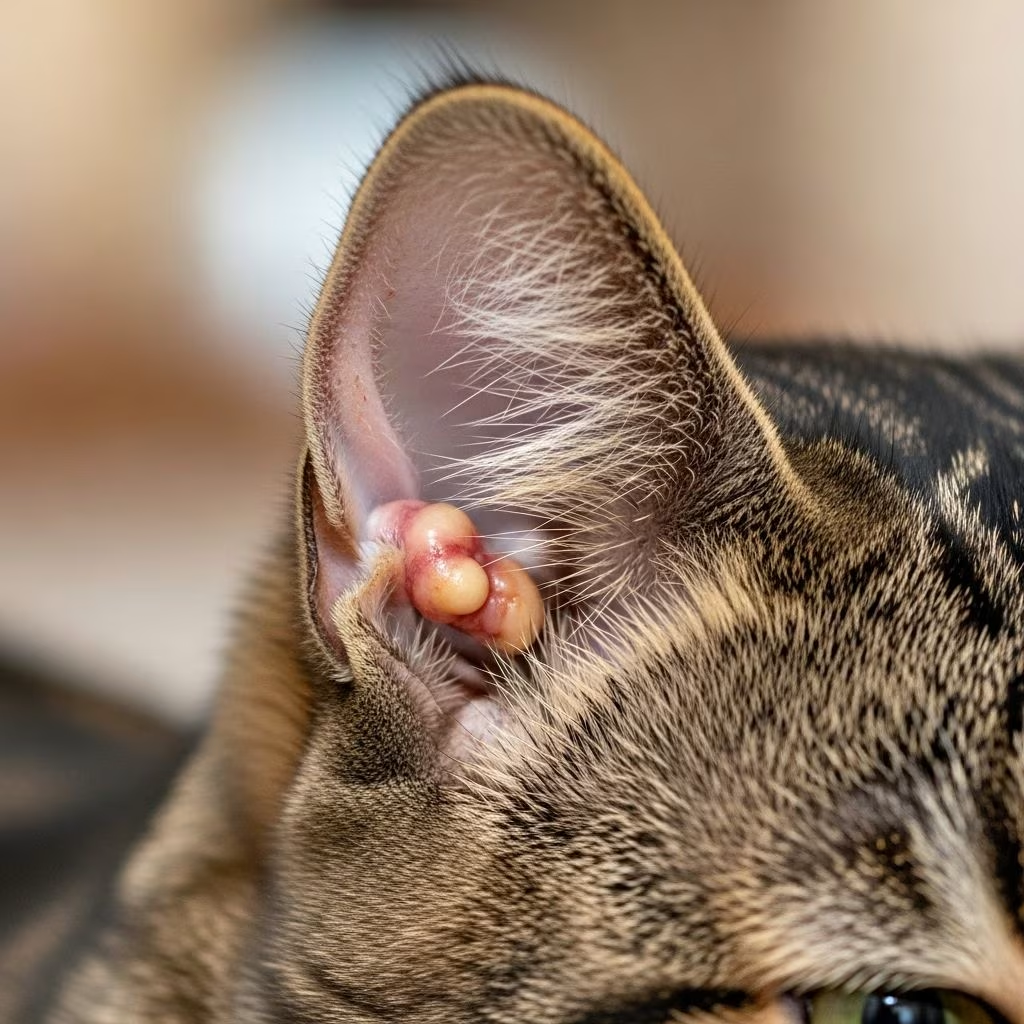
Ear tumors in cats represent a serious health concern that can significantly affect a pet’s quality of life if not addressed promptly. These growths, which can be benign or malignant, often develop in the ear canal and may stem from chronic issues or unknown factors. Understanding the nuances of this condition empowers cat owners to spot early signs and pursue effective interventions.
Understanding the Anatomy of a Cat’s Ear
A cat’s ear consists of three main parts: the outer ear (pinna and ear canal), the middle ear, and the inner ear. The ear canal, lined with ceruminous glands that produce wax, is a common site for tumors. These glands can become overactive due to inflammation, potentially leading to abnormal cell growth. The vertical and horizontal sections of the canal make deep tumors harder to detect without professional tools.
Disruptions in this delicate structure can cause pain, balance problems, and hearing loss. Recognizing how tumors interact with these components is key to timely veterinary care.
Types of Tumors Affecting Feline Ears
Ear tumors in cats vary widely, with some being non-cancerous and others aggressive cancers. Benign options include ceruminous gland adenomas, papillomas, and basal cell tumors, which grow slowly and are often confined to the ear canal. These are more common in middle-aged cats and respond well to removal.
- Ceruminous gland adenoma: A firm, dome-shaped mass from wax-producing glands, typically pink-white and stalk-like.
- Papillomas: Wart-like growths that are rare but treatable.
- Basal cell tumors: Slow-growing lumps on the skin near the ear.
Malignant tumors, such as ceruminous gland adenocarcinomas and squamous cell carcinomas, pose greater risks. Adenocarcinomas arise from ceruminous glands and can invade nearby tissues or spread to lymph nodes. Squamous cell carcinomas often appear on white-eared cats due to sun exposure and may affect the pinna or canal. Lymphoma and fibrosarcomas occasionally impact the middle or inner ear, leading to severe complications.
| Tumor Type | Benign/Malignant | Common Location | Behavior |
|---|---|---|---|
| Ceruminous gland adenoma | Benign | Ear canal | Slow-growing, localized |
| Squamous cell carcinoma | Malignant | Pinna or canal | Invasive, sun-related |
| Ceruminous adenocarcinoma | Malignant | Ear canal | Spreads to nodes |
| Inflammatory polyp | Benign | Middle ear | Young cats, inflammatory |
Factors Contributing to Ear Tumor Development
While the precise origins remain unclear, several risk factors increase susceptibility. Chronic ear inflammation from untreated infections promotes abnormal tissue changes, as excess wax and bacterial overgrowth stimulate cancerous cells. Older cats over 11 years are particularly prone to malignant forms, while younger ones (3 months to 5 years) may develop polyps mistaken for tumors.
Environmental influences play a role; excessive sun exposure heightens squamous cell carcinoma risk, especially in light-skinned cats. Genetic predispositions affect certain breeds, and exposure to toxins like pesticides or smoke may contribute. Pre-existing polyps or ongoing infections create a fertile ground for progression to malignancy.
- Chronic infections leading to inflammation.
- Age: Senior cats at higher risk for cancer.
- Sunlight: UV damage to ear tips.
- Genetics: Breed-specific vulnerabilities.
Recognizing Early Warning Signs
Early detection hinges on observing subtle changes, as initial growths produce minimal symptoms. Common indicators include persistent discharge—waxy, pus-like, or bloody—from one ear, often with a foul odor signaling infection or necrosis. Cats may scratch excessively, shake their head vigorously, or paw at the ear due to irritation.
Advanced signs involve swelling around the face or base of the ear, heightened sensitivity to touch, and hearing deficits where the cat ignores sounds or startles unexpectedly. Inner ear involvement manifests as balance issues, head tilting, circling, or nystagmus (involuntary eye movement). Neurological symptoms like incoordination signal poor prognosis.
- Unilateral ear discharge with odor.
- Intense scratching or head shaking.
- Facial asymmetry or abscesses.
- Loss of balance or coordination.
Diagnostic Approaches for Accurate Identification
Veterinarians start with a thorough physical exam, otoscopy to visualize the canal, and history review. Diagnostic imaging like CT or MRI assesses tumor extent and inner ear involvement. Blood work evaluates overall health, while fine-needle aspiration or biopsy confirms tumor type—essential for distinguishing benign from malignant.
Video otoscopy allows precise sampling under magnification. If middle ear is affected, advanced imaging detects bone changes. Staging checks for metastasis to lymph nodes or lungs via ultrasound or X-rays.
Treatment Strategies Tailored to Tumor Characteristics
Treatment selection depends on tumor type, size, location, and the cat’s health. Surgery remains the cornerstone for accessible benign tumors, involving excision with margins or laser-assisted removal via video otoscope. For invasive cases, total ear canal ablation (TECA) or pinnectomy (ear tip removal) may be necessary, preserving hearing if the inner ear is spared.
Radiation therapy targets inoperable or residual malignant tumors, using precise beams to shrink masses post-surgery. Chemotherapy addresses systemic spread, though less common for ear-specific cancers. Palliative options like pain meds and anti-inflammatories manage symptoms in frail cats.
| Treatment | Best For | Pros | Cons |
|---|---|---|---|
| Surgical excision/TECA | Benign, localized | Curative if complete | Invasive, recovery time |
| Radiation | Invasive malignant | Non-surgical option | Side effects, multiple sessions |
| Chemotherapy | Metastatic | Systemic control | Variable efficacy |
| Palliative care | Advanced/poor health | Comfort-focused | Not curative |
Prognosis: What to Expect After Treatment
Outcomes vary markedly. Benign tumors fully removed offer excellent prognosis, with cats returning to normal life. Malignant cases depend on early intervention; complete surgical excision of adenocarcinomas yields fair results, but metastasis drops survival rates. Neurological signs indicate grave prognosis, often under six months.
Squamous cell carcinomas on ear tips have good cure rates post-pinnectomy if localized. Regular follow-ups monitor recurrence, crucial for long-term success.
Preventive Measures for Ear Health
Absolute prevention eludes known causes, but proactive steps mitigate risks. Promptly treat ear infections to curb chronic inflammation. Limit sun exposure for light-eared cats using hats or indoor living during peak hours. Maintain a toxin-free environment, avoiding smoke and chemicals.
Routine vet check-ups facilitate early detection through ear exams. Breeds prone to issues benefit from vigilant monitoring.
- Treat infections immediately.
- Minimize UV exposure.
- Ensure clean living spaces.
- Schedule annual ear checks.
Frequently Asked Questions (FAQs)
Are ear tumors common in cats?
No, they are uncommon, but more frequent in seniors and those with ear histories.
Can ear tumors be benign?
Yes, many like adenomas are benign and highly treatable.
Does surgery affect hearing?
TECA preserves hearing if inner ear is unaffected; pinnectomy does not impact it.
Is sun exposure a risk factor?
Yes, particularly for squamous cell carcinoma on ear tips.
What if my cat shows neurological signs?
Seek immediate care; prognosis is poor, focusing on palliation.
Supporting Your Cat Through Diagnosis and Recovery
Post-treatment, provide a quiet recovery space, administer meds as prescribed, and watch for complications like infection. E-collars prevent self-trauma. Nutritional support aids healing, and gentle cleaning maintains hygiene. Emotional support through play and affection boosts morale.
Owners should prepare for potential cosmetic changes like altered ear shape, but most cats adapt well. Collaborate with vets for holistic care plans.
References
- Tumors of the Ear Canal in Cats — Merck Veterinary Manual. 2023. https://www.merckvetmanual.com/cat-owners/ear-disorders-of-cats/tumors-of-the-ear-canal-in-cats
- Ear Canal Tumors — VCA Animal Hospitals. 2023. https://vcahospitals.com/know-your-pet/ear-canal-tumors
- Ear Canal Tumors in Cats: Types, Causes, Diagnosis, and Treatment — PetCareRx. 2024-01-15. https://www.petcarerx.com/article/ear-canal-tumors-in-cats-types-causes-diagnosis-and-treatment/6943
- Ear Canal Tumors in Cats – Causes, Treatment — Vetster. 2024. https://vetster.com/en/conditions/cat/ear-canal-tumors
- Ear Cancer in Cats: What’s the Prognosis? — VetMed Consultants. 2023-05-20. https://www.vetmedutah.com/post/ear-cancer-in-cats
- Ear Tumors – Feline — Veterinary Society of Surgical Oncology. 2022. https://vsso.org/ear-tumors-feline



