

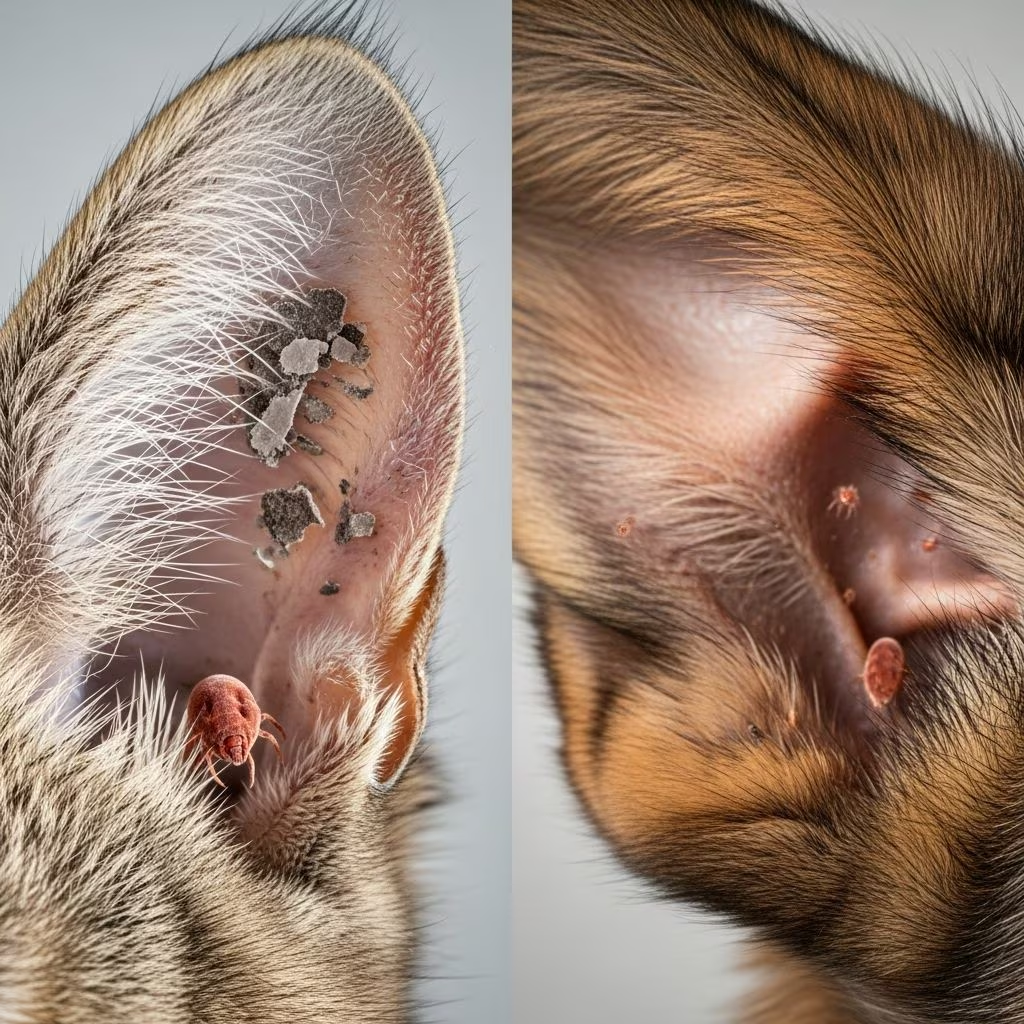
Ear Mites in Cats and Dogs: A Comprehensive Guide
Ear mites are one of the most common parasitic infections affecting both cats and dogs worldwide. These tiny creatures can cause significant discomfort and lead to serious complications if left untreated. Understanding ear mites, their symptoms, treatment options, and prevention strategies is essential for any pet owner who wants to maintain their animal’s health and well-being.
What Are Ear Mites?
Ear mites are microscopic parasites that belong to the arachnid family. The most common species affecting pets is Otodectes cynotis, which specifically infests the ear canals of cats, dogs, ferrets, and other animals. These mites are highly contagious and spread rapidly through close contact between infected and non-infected animals.
The lifecycle of ear mites is relatively short, typically lasting around three weeks. The mites burrow into the skin of the ear canal and feed on skin cells and oils, causing inflammation and irritation. Because of their rapid reproduction rate and contagious nature, ear mites can quickly spread throughout a household, affecting multiple pets if treatment is not promptly initiated.
Causes and Transmission of Ear Mites
Ear mites are primarily transmitted through direct contact with infected animals. Outdoor cats are particularly susceptible to ear mites, and the condition is especially prevalent in multi-pet households where animals have frequent close contact. Young puppies and kittens can contract ear mites from their mothers during nursing, making early detection and treatment important for young animals.
While ear mites are more commonly found in animals with outdoor access, indoor pets can also develop infections if they come into contact with infected animals or contaminated bedding, toys, or other materials. Once an animal is infected, the mites can spread rapidly to other animals in the household, which is why treating all pets in a home is crucial, even if only one animal shows symptoms.
Signs and Symptoms of Ear Mites
The symptoms of ear mites vary between cats and dogs, though there are several common indicators that suggest your pet may have an infestation:
Common Symptoms in Both Cats and Dogs
- Intense scratching at the ears and around the head
- Frequent head shaking
- Head tilting to one side
- Visible dark, crumbly discharge in the ear canal (often described as “coffee ground” debris)
- Redness and inflammation of the ear canal and ear flaps
- Hair loss around the ears and face due to excessive scratching
- Odor emanating from the affected ears
- Reluctance to be touched or petted around the head area due to pain and sensitivity
Species-Specific Differences
While cats and dogs can both develop ear mite infections, they often present differently. Dogs tend to show more pronounced signs of pruritus (itching) and may display more aggressive scratching behavior. Some cats may have significant ear mite infestations with minimal visible scratching or pruritus, making the condition harder to detect in felines.
In severe cases where the condition has gone untreated for extended periods, both cats and dogs can develop serious complications including self-excoriation (scratching so intensely that they wound themselves), hematomas (blood-filled blisters), secondary bacterial or yeast infections, and in extreme cases, neurological signs or weight loss.
Diagnosis of Ear Mites
A veterinarian typically diagnoses ear mites by performing a thorough physical examination and microscopic evaluation of ear discharge. During the examination, the vet may gently massage the ear canal and observe for a “pinnal-pedal reflex,” where the pet’s hind leg twitches in response to ear canal stimulation—a classic sign of ear mite infestation.
The vet will collect a sample of the dark ear discharge and examine it under a microscope to identify the presence of mites. This definitive diagnosis helps rule out other conditions that may cause similar symptoms, such as yeast infections, bacterial infections, or other parasites. Early diagnosis is important because it allows for prompt treatment and prevents the spread of mites to other animals in the household.
Treatment Options for Ear Mites
Several effective treatment options are available for eliminating ear mites in both cats and dogs. The most appropriate treatment will depend on your pet’s specific condition, age, and medical history. Your veterinarian will recommend the best option for your pet.
Topical Medications
Topical treatments are among the most commonly prescribed options for ear mite infestations. These medications include:
- Ear drops containing ivermectin or milbemycin: These are applied directly into the ear canal and work by killing the mites on contact. Daily application is typically required during the treatment period.
- Low-concentration pyrethrin-based ear drops: These EPA-approved products are effective for both cats and dogs and offer a gentler alternative for sensitive animals.
- Combination topical treatments: Many veterinarians prescribe ear cleaners combined with medicated drops that contain anti-inflammatory agents, antibiotics (if secondary infection is present), and antiparasitic medication.
Systemic Medications
Oral and injectable medications provide an alternative or complementary approach to treatment:
- Oral antiparasitic medications: Veterinarians may prescribe oral medications containing macrocyclic lactones such as moxidectin or selamectin, which are effective against ear mites and provide systemic protection.
- Injectable ivermectin: This option is particularly useful for dogs with extremely sensitive ears or those whose owners cannot reliably apply topical treatments at home. However, a small percentage of animals may have adverse reactions.
- Flea and tick preventatives: Many monthly flea, tick, and heartworm preventatives also treat ear mites. Products like Revolution® and Advantage Multi™ are applied between the shoulder blades and are often effective after a single dose.
Treatment Protocol and Recovery
Treatment generally begins with a thorough professional cleaning of the affected ears to remove wax, debris, and discharge that may shield mites from topical medications. Following this cleaning, medicated drops or other treatments are applied as prescribed.
The duration of treatment typically ranges from 7 to 21 days, depending on the medication used and the severity of the infestation. Because ear mite eggs take approximately 21 days to mature into adults, treatment may need to be continued for this full period to ensure all life stages of the mite are eliminated. It is crucial to follow your veterinarian’s instructions precisely and complete the entire course of treatment, even if symptoms resolve earlier.
Most cats and dogs begin to feel relief within a couple of days of starting treatment, though complete elimination of mites takes approximately one month. A follow-up veterinary visit is recommended after treatment completion to confirm that all mites have been eradicated and to determine if additional treatment is necessary.
Managing Secondary Infections
If a bacterial or yeast infection has developed secondary to the ear mite infestation, additional medications may be prescribed. These can include topical antibiotic ointments or oral antibiotics. In cases of severe ear inflammation, topical or oral corticosteroids such as prednisolone may be prescribed to reduce swelling and provide relief.
Household Treatment Considerations
Because ear mites spread so easily through close contact, all pets in a household that can be infested with mites—including cats, dogs, and ferrets—should be treated simultaneously, regardless of whether they show symptoms. Untreated subclinical infestations in other animals are a primary cause of reinfestation and treatment failure.
Additionally, thorough cleaning of bedding, toys, and other materials that may harbor mites is recommended during the treatment period. Washing these items in hot water and drying them on high heat can help eliminate any mites that may be present outside the ear canal.
Prevention of Ear Mites
While ear mites are treatable, prevention is always preferable to treatment. Several strategies can help reduce the risk of ear mite infestation in your pets:
- Limit exposure to affected animals: The most effective prevention method is to minimize your pet’s contact with animals known to have ear mites. If your cat has outdoor access, check its ears regularly for signs of infestation.
- Regular ear inspections: Examine your pet’s ears weekly for signs of discharge, redness, or odor. Early detection of problems allows for prompt treatment.
- Routine ear cleaning: Regular cleaning of your pet’s ears can help prevent mite infestations and other ear problems. Use only veterinarian-recommended ear cleaners to avoid irritation.
- Monthly preventative treatments: Many flea and tick preventatives also protect against ear mites. Using these monthly medications can provide comprehensive parasite protection.
- Maintain good hygiene: Regular bathing, grooming, and cleaning of pet bedding help maintain overall skin and ear health.
- Quarantine new animals: When introducing new pets to a household, keep them separated initially and have them examined by a veterinarian to ensure they don’t have ear mites or other parasites.
Frequently Asked Questions
Q: Can humans contract ear mites from pets?
A: While extremely rare, humans can technically contract ear mites from infected animals. However, any human infection is transient and typically resolves on its own without treatment, as ear mites prefer the ear environment of animals to humans.
Q: How long does ear mite treatment take?
A: The complete elimination of ear mites typically takes about one month, though pets usually begin feeling better within a few days of starting treatment. The duration depends on the medication used and whether the entire household is treated simultaneously.
Q: Do all pets in the household need to be treated?
A: Yes, all pets in the household that can be infested with mites (cats, dogs, ferrets) should be treated simultaneously to prevent reinfestation, even if they show no symptoms.
Q: Are there natural remedies for ear mites?
A: While some natural options like baby oil, olive oil, and green tea have been suggested to help soothe irritation and potentially smother mites, veterinary-approved medications are the most effective and recommended treatment approach. Always consult your veterinarian before using any home remedies.
Q: What happens if ear mites are left untreated?
A: Untreated ear mite infestations can lead to serious complications including secondary bacterial or yeast infections, self-inflicted wounds from excessive scratching, hematomas, and in severe cases, neurological problems or weight loss.
References
- Ear Mites in Cats — PetMD. 2024. https://www.petmd.com/cat/conditions/infectious-parasitic/ear-mites-cats
- Ear Mites: Uncovering, Treating, and Preventing Infestations — Today’s Veterinary Practice. https://todaysveterinarypractice.com/parasitology/ear-mites-uncovering-treating-and-preventing-infestations/
- Ear Mites in Dogs: Causes, Signs, and Treatment — Long Beach Animal Hospital. https://lbah.com/canine/ear-mites-in-dogs/
- Ear Mites: Tiny Critters that can Pose a Major Threat — Cornell Feline Health Center, College of Veterinary Medicine, Cornell University. https://www.vet.cornell.edu/departments-centers-and-institutes/cornell-feline-health-center/health-information/feline-health-topics/ear-mites-tiny-critters-can-pose-major-threat
- Ear Mites in Dogs — Blue Cross. https://www.bluecross.org.uk/advice/dog/health-and-injuries/ear-mites-in-dogs
- Signs of Ear Mites In Dogs (Plus: Treatments & Home Remedies) — Dogs Naturally Magazine. https://www.dogsnaturallymagazine.com/ear-mites-in-dogs-natural-remedies/



