

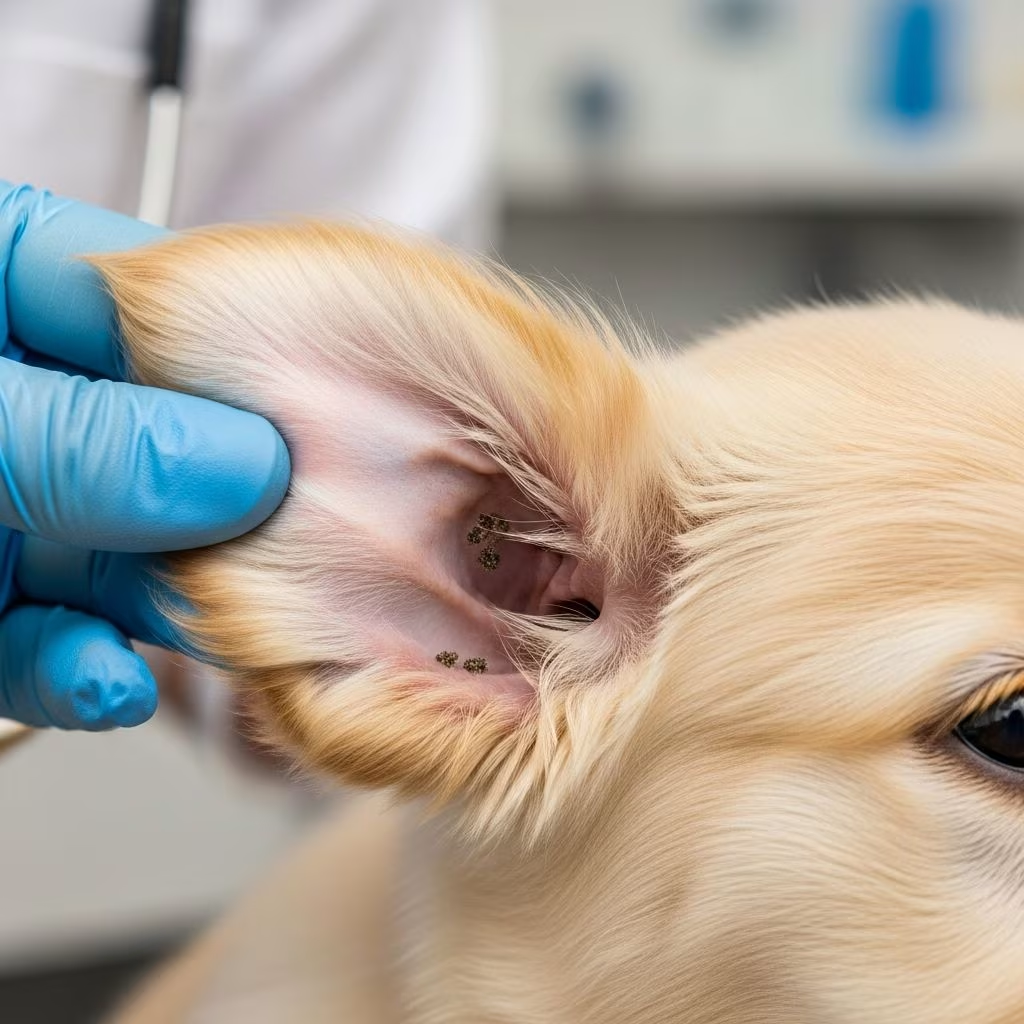
Ear mites represent a common parasitic issue in young dogs, particularly puppies, leading to discomfort and potential complications if ignored. These tiny invaders thrive in the warm ear canals, causing irritation that prompts vigorous scratching and head shaking.
Understanding the Nature of Ear Mites
Ear mites, scientifically known as Otodectes cynotis, are microscopic arachnids that feed on ear wax and oils, multiplying rapidly in the ear environment. Puppies are especially vulnerable due to their immature immune systems and frequent contact with littermates or other pets. Unlike fleas or ticks, these mites reside almost exclusively in the ears, though they can spread to nearby skin areas through scratching.
Transmission occurs easily via direct contact between animals, such as during play or shared bedding. A single infested puppy can quickly infect an entire household of pets, making early detection crucial.
Recognizing the Signs in Your Puppy
Puppies with ear mites often display clear behavioral changes. Watch for persistent **head shaking** or tilting, as the irritation drives them to seek relief. Excessive scratching around the ears can lead to raw skin, hair loss, or even blood blisters known as aural hematomas.
- Dark, crumbly discharge resembling coffee grounds, often with a foul odor
- Redness and inflammation inside the ear flaps or canal
- Sensitivity to touch, causing yelps when ears are handled
- Rubbing ears against furniture or carpets
- Buildup of thick wax blocking the ear canal
These symptoms typically affect both ears, though one may seem worse initially. Untreated cases can progress to secondary bacterial or yeast infections, exacerbating pain and risking hearing damage.
Why Puppies Are at Higher Risk
Young dogs under six months face elevated risks because their ear canals are shorter and more upright, providing an ideal habitat for mites. Shelters, breeders, and multi-pet homes amplify exposure chances. Additionally, puppies explore their world mouth-first, inadvertently transferring mites from one pet to another.
| Factor | Risk Level for Puppies | Why It Matters |
|---|---|---|
| Immune System | High | Less able to fight infestations |
| Play Behavior | High | Increases direct contact spread |
| Ear Anatomy | Medium | Shorter canals trap debris |
| Living Environment | Variable | Crowded settings boost transmission |
Steps for Accurate Diagnosis
Self-diagnosis risks confusion with yeast infections, allergies, or bacterial issues, which mimic mite symptoms. A veterinarian uses an otoscope to visualize the ear canal or examines wax samples under a microscope, revealing the mites’ distinctive star-shaped bodies.
In painful cases, mild sedation allows thorough inspection without added stress. Cytology tests confirm mite presence and check for secondary infections. Prompt vet visits prevent escalation, as mites complete their life cycle in just three weeks.
Effective Treatment Strategies
Treatment combines cleaning, parasiticide application, and infection management. Vets prescribe **topical or systemic medications** like selamectin (Revolution®), fluralaner (Bravecto®), or afoxolaner (NexGard®), applied between shoulder blades or orally.
Daily ear cleaning with vet-recommended solutions like Epi-Otic® Advanced removes debris, enhancing medication efficacy. For infections, antimicrobial flushes such as TrizULTRA™+ Keto or ointments like Animax® are added. A single dose often suffices, but full courses last 7-30 days to eradicate all life stages.
- Clean ears gently once daily with cotton balls or gauze
- Avoid Q-tips to prevent pushing debris deeper
- Treat all household pets simultaneously
- Wash bedding in hot water to kill stray mites
Steroids like prednisone may ease severe inflammation short-term. Over-the-counter options exist but are less reliable, often requiring longer use than prescriptions.
Monitoring Recovery Progress
Improvement begins within 1-2 days, with full clearance in 2-4 weeks. Follow-up cytology verifies eradication. Persistent symptoms signal reinfestation or resistance, necessitating adjusted protocols.
Puppies usually resume normal activity quickly, but supervise to prevent self-trauma. Long-term, monthly preventatives guard against recurrence.
Preventive Measures for Long-Term Protection
Proactive care minimizes risks. Use broad-spectrum preventatives covering fleas, ticks, and mites year-round. Regular ear checks during grooming catch issues early.
- Inspect ears weekly for wax or odor
- Quarantine new pets for 2 weeks
- Maintain clean environments
- Avoid sharing toys between dogs and cats
Vaccination status and flea control indirectly support ear health by reducing overall parasite loads.
Frequently Asked Questions (FAQs)
Can humans get ear mites from puppies?
No, ear mites specific to dogs and cats do not infest humans, though good hygiene prevents indirect spread.
How long do ear mites live without a host?
Off-host, mites survive 4-6 days in favorable conditions, underscoring bedding cleaning importance.
Is home treatment safe for puppies?
Only vet-prescribed options; OTC products may irritate young ears or miss mites entirely.
What if my puppy has one ear affected only?
Treat both ears and all pets, as bilateral spread is common.
Do ear mites cause permanent damage?
Rarely with prompt care; chronic cases risk scarring or hearing loss.
Potential Complications and When to Seek Urgent Care
Watch for worsening signs like balance loss, head tilt, or foul discharge indicating deeper infections. Hematomas require drainage. Puppies showing neurological symptoms need immediate attention.
Holistic support includes balanced diets boosting skin health, but never replace professional treatment.
References
- Ear Mites in Dogs: What Are They and How Do You Treat Them? — PetMD. 2023. https://www.petmd.com/dog/conditions/infectious-parasitic/ear-mites-dogs-what-are-they-and-how-do-you-treat-them
- How Do I Know If My Dog Has Ear Mites? — Brekke Veterinary Clinic. 2022. https://www.brekkevet.com/blog/how-do-i-know-if-my-dog-has-ear-mites.html
- Ear Mites in Dogs: Appearance, Symptoms & Treatments — GoodRx. 2024. https://www.goodrx.com/pet-health/dog/ear-mites-in-dogs
- Ear Mite Treatment — Ashworth Pet. 2023. https://www.ashworthpet.com/ear-mite-treatment-
- Ear Mites in Cats and Dogs — VCA Animal Hospitals. 2024. https://vcahospitals.com/know-your-pet/ear-mites-otodectes-in-cats-and-dogs
- Ear Mites in Dogs and Puppies — PDSA. 2023. https://www.pdsa.org.uk/pet-help-and-advice/pet-health-hub/conditions/ear-mites-in-dogs-and-puppies



