

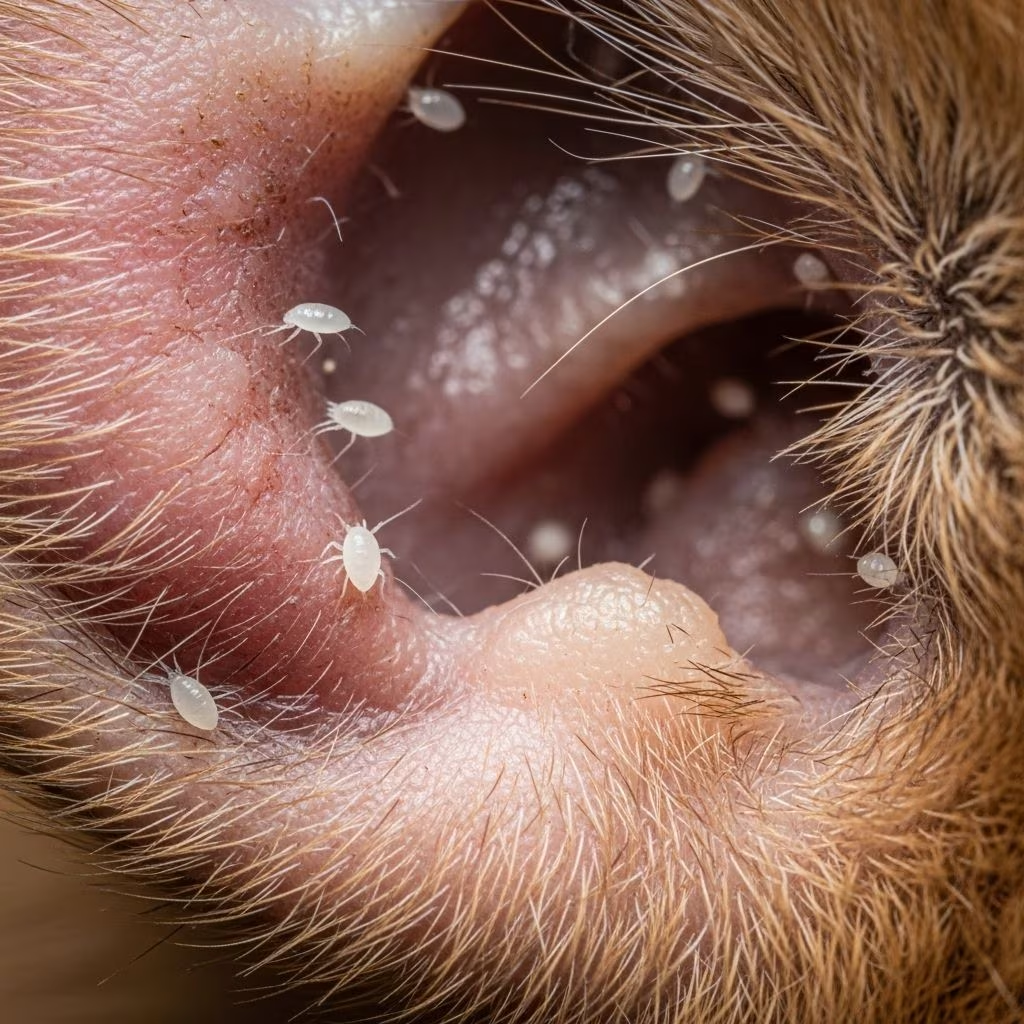
Ear mites represent one of the most prevalent parasitic issues affecting dogs, leading to significant discomfort through intense itching and potential complications if ignored. These microscopic pests thrive in the warm ear canals, feeding on debris and oils while multiplying rapidly. Prompt recognition and intervention are crucial to restore your dog’s comfort and avert secondary infections.
Understanding the Nature of Ear Mites
Ear mites, scientifically known as Otodectes cynotis, are tiny arachnids that infest the external ear canal of dogs. Unlike fleas or ticks, they specialize in ear environments, where they lay eggs and complete their life cycle in just three weeks. This rapid reproduction enables quick spread, particularly in multi-pet households. Dogs of any age or breed can be affected, though puppies and young dogs encounter higher risks due to immature immune systems.
These parasites do not discriminate by lifestyle; indoor dogs can acquire them from brief contacts with infested animals. Transmission occurs directly via physical contact or indirectly through shared bedding and grooming tools. Understanding this biology underscores the need for vigilant hygiene in pet care routines.
Recognizing the Signs of Infestation
Early detection hinges on observing behavioral and physical changes. Dogs afflicted by ear mites often exhibit hallmark symptoms that escalate without intervention.
- Persistent Head Shaking: A classic indicator, as dogs attempt to dislodge the irritants.
- Excessive Scratching or Pawing: Frequent rubbing against surfaces or using hind legs to scratch ears signals acute discomfort.
- Dark, Crumbly Discharge: Resembling coffee grounds, this waxy buildup results from mite activity and debris accumulation.
- Redness and Inflammation: Ears appear swollen, hot, and sensitive to touch.
- Foul Odor: A yeasty or pungent smell arises from secondary bacterial growth in the debris.
- Hair Loss and Scabs: Chronic scratching leads to bald patches and crusty skin around the ears.
- Head Tilt or Balance Issues: In advanced cases, inner ear involvement causes disorientation.
These signs frequently affect both ears, though unilateral cases occur. The pinnal-pedal reflex—where touching the ear triggers hind-leg scratching—further confirms irritation intensity.
Health Risks of Untreated Ear Mites
Neglecting treatment invites severe consequences. Initial irritation fosters secondary bacterial or yeast infections, known as otitis externa, which inflame the ear canal and may rupture the eardrum. Chronic infestations erode ear structures, potentially causing partial or total hearing loss.
Additionally, relentless scratching creates open wounds prone to hotspots—painful, infected sores—and systemic issues like dermatitis. In vulnerable dogs, such as those with allergies or weakened immunity, complications extend to broader skin disorders. Timely veterinary care mitigates these risks effectively.
Professional Diagnosis: The Essential First Step
Self-diagnosis proves unreliable, as symptoms mimic yeast infections, allergies, or foreign bodies. Veterinarians employ precise methods for confirmation.
During examination, vets inspect the ear canal visually for mites and characteristic debris. A definitive test involves ear cytology: swabbing the ear, placing debris on a slide, and microscopically identifying mites, eggs, or larvae. This process, often done in-clinic, yields immediate results.
Dogs may receive sedation for thorough visualization if pain or debris obstructs views. Accurate diagnosis tailors treatment, preventing misapplication of therapies.
Effective Treatment Strategies
Treatment protocols combine cleaning, parasiticides, and supportive care. Vets customize plans based on infestation severity and secondary infections.
| Treatment Type | Description | Application | Duration |
|---|---|---|---|
| Topical Drops/Ointments | Anti-parasitic agents like selamectin or ivermectin-based products kill mites on contact. | Directly into ear canal post-cleaning. | 7-30 days |
| Systemic Medications | Oral or injectable options (e.g., afoxolaner/NexGard, fluralaner/Bravecto) target mites body-wide. | Single dose or monthly chewables. | 1-3 doses |
| Ear Cleansers | Antimicrobial flushes (e.g., Epi-Otic Advanced, TrizULTRA+Keto) remove debris. | Daily until resolved. | 1-4 weeks |
| Anti-Inflammatories | Steroids or antibiotics for pain/swelling/infection. | Oral/topical as needed. | 7-14 days |
Avoid cotton swabs, which compact debris deeper. Clean gently with vet-recommended solutions, massaging the base to loosen material. Complete the full course to eradicate all life stages.
Preventing Reinfestation in Your Household
Ear mites spread easily, necessitating comprehensive measures.
- Treat All Pets: Even asymptomatic animals require prophylaxis.
- Environmental Sanitation: Launder bedding, toys, and collars in hot water; vacuum carpets thoroughly.
- Parasite Preventatives: Monthly flea/tick products (e.g., those covering mites) provide ongoing protection.
- Regular Ear Checks: Inspect weekly, especially for floppy-eared breeds prone to moisture buildup.
- Quarantine New Pets: Observe newcomers for 2-4 weeks before integration.
Consistent grooming and hygiene form the cornerstone of prevention.
Recovery Timeline and Follow-Up Care
Improvement typically begins within 24-48 hours of starting treatment, with full resolution in 2-4 weeks. Schedule a recheck cytology 2-4 weeks post-treatment to verify eradication. Persistent symptoms warrant adjusted protocols, possibly extending therapy.
Monitor for relapse indicators like renewed scratching. Maintain ear drying after baths/swims to deter recurrence.
FAQs on Ear Mites in Dogs
Can humans get ear mites from dogs?
No, ear mites specific to dogs do not infest humans, though strict hygiene prevents cross-contamination.
Are home remedies effective?
Vet sources strongly advise against them; they offer fleeting relief without eliminating mites and risk worsening conditions.
How contagious are ear mites?
Highly; direct contact or fomites transmit them rapidly among dogs and cats.
Do puppies need special treatment?
Yes, use age-appropriate, vet-prescribed products to avoid toxicity.
Can ear mites cause permanent damage?
Untreated, yes—leading to chronic otitis or hearing impairment.
Breed-Specific Vulnerabilities and Tips
Breeds with pendulous ears, such as Cocker Spaniels, Basset Hounds, and Labrador Retrievers, face elevated risks due to poor ventilation and wax accumulation. These dogs benefit from routine ear cleaning and drying. Short-haired or allergy-prone breeds may develop more pronounced secondary skin issues.
Proactive owners of at-risk breeds integrate monthly preventatives and bi-weekly inspections into routines.
Long-Term Ear Health Maintenance
Beyond mites, foster resilience through balanced diets rich in omega-3s, which support skin barriers. Avoid over-cleaning, which disrupts natural flora. Annual vet exams catch subclinical issues early.
(Word count: 1678)
References
- How Do I Know If My Dog Has Ear Mites? — Brekke Veterinary Clinic. 2023. https://www.brekkevet.com/blog/how-do-i-know-if-my-dog-has-ear-mites.html
- Ear Mites in Dogs: Symptoms, Causes, & Treatment — Vetnique. 2024. https://vetnique.com/blogs/vets-corner/ear-mites-in-dogs-symptoms-causes-amp-treatment-vetnique
- Ear Mites in Dogs: Appearance, Symptoms & Treatments — GoodRx. 2025-02-10. https://www.goodrx.com/pet-health/dog/ear-mites-in-dogs
- Ear Mites in Dogs: What Are They and How Do You Treat Them? — PetMD. 2024. https://www.petmd.com/dog/conditions/infectious-parasitic/ear-mites-dogs-what-are-they-and-how-do-you-treat-them
- Mite Infestation (Mange, Acariasis, Scabies) in Dogs — Merck Veterinary Manual. 2024. https://www.merckvetmanual.com/dog-owners/skin-disorders-of-dogs/mite-infestation-mange-acariasis-scabies-in-dogs



