

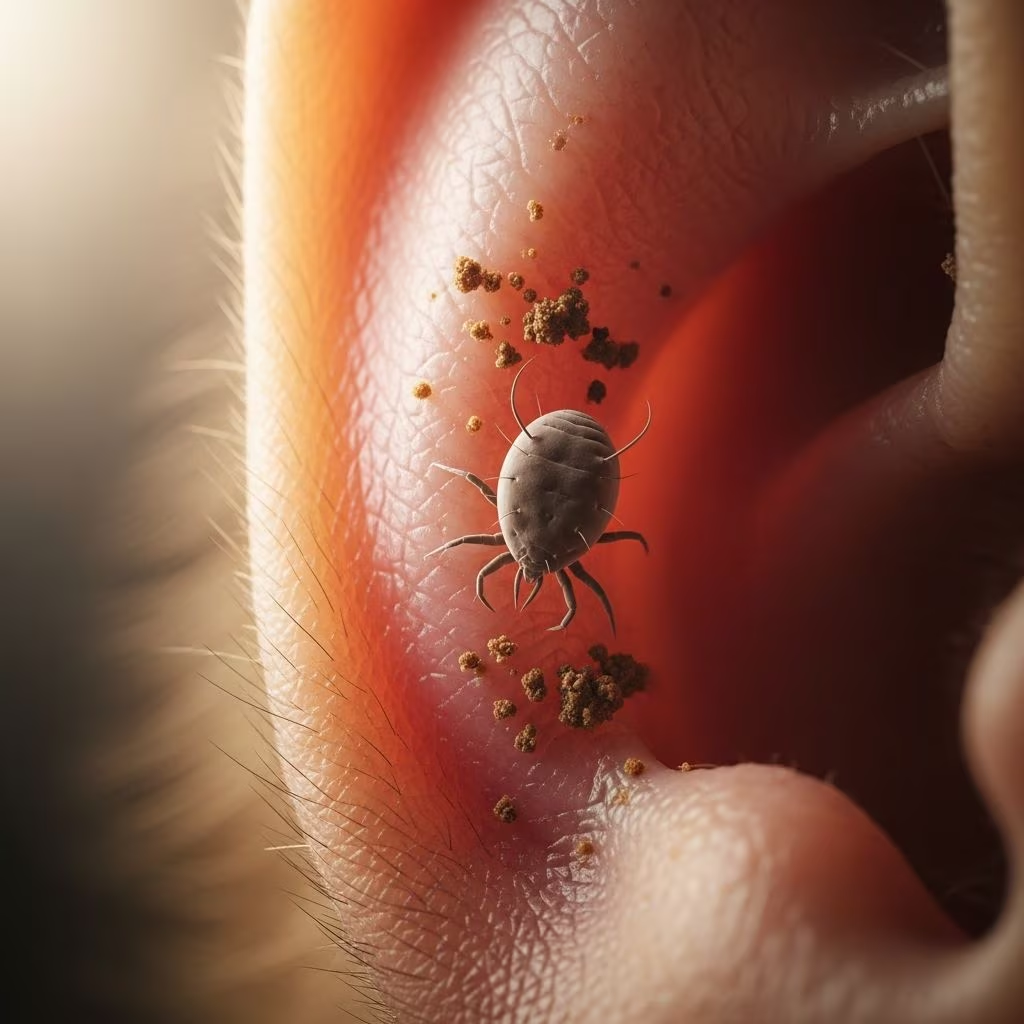
Ear mites represent a frequent parasitic issue in canines, leading to considerable discomfort through intense itching and potential secondary complications. These minuscule invaders, primarily Otodectes cynotis, thrive in the ear canal, feeding on wax and oils, and can rapidly spread among household pets if not addressed promptly.
Understanding the Nature of Canine Ear Mites
These parasites resemble tiny spiders and reside on the skin surface within a dog’s external ear canal. Though more prevalent in felines, dogs—particularly puppies and those with outdoor exposure—remain susceptible. The mites’ lifecycle, spanning about three weeks, involves egg-laying and rapid reproduction, exacerbating infestations quickly in vulnerable hosts. Without intervention, they provoke inflammation, bacterial overgrowth, and even auditory impairment from chronic damage.
Recognizing the Telltale Signs in Your Dog
Early detection hinges on observing behavioral and physical changes. Dogs afflicted often display:
- Frequent head shaking or tilting, as if trying to dislodge an irritant.
- Relentless scratching or rubbing of ears against furniture or paws.
- Visible redness, swelling, or scabs around the ear flaps and canal entrance.
- Dark, crumbly discharge resembling coffee grounds or dried blood, accompanied by a foul odor.
- Sensitivity to touch, with yelps or avoidance during ear handling.
- Hair loss or raw spots from excessive self-trauma.
These indicators frequently affect both ears, though unilateral cases occur. Notably, symptoms mimic allergies or yeast infections, underscoring the need for professional evaluation.
How Ear Mites Spread to Dogs
Transmission primarily occurs via direct contact with infested animals, such as multi-pet homes where cats harbor the mites. Even casual interactions at parks or groomers suffice for transfer. Environmental factors play a role too: mites survive briefly off-hosts on bedding, brushes, or toys, and outdoor dogs in grassy or wooded areas may pick them up from ambient sources. Puppies and immunocompromised dogs face heightened risk due to immature or weakened defenses.
| Risk Factor | Description | Prevalence |
|---|---|---|
| Multi-pet households | Contact with cats or dogs carrying mites | High |
| Outdoor exposure | Grass, woods, parks | Moderate |
| Lack of preventives | No flea/tick meds | High |
| Age | Puppies under 1 year | High |
Professional Diagnosis: What Vets Do
Veterinarians employ a systematic approach. Initial visual inspection reveals inflammation or debris. A key step involves swabbing the ear canal and microscopically examining for live mites, eggs, or larvae—often confirming diagnosis instantly. To differentiate from bacterial or fungal issues, cytology or cultures may follow. This precision avoids mis-treatment, as overlapping symptoms demand accuracy. Owners should avoid home cleaning beforehand, preserving samples for analysis.
Effective Treatment Strategies
Treatment centers on parasiticide application, typically topical drops or ointments containing selamectin, ivermectin, or milbemycin, administered for 7-14 days to disrupt the lifecycle. Vets may clean ears under sedation if heavily impacted. Secondary infections require antibiotics or antifungals. All household pets need concurrent treatment to curb reinfestation. Improvement manifests within days, with full resolution in 2-4 weeks.
- Cleaning protocol: Use vet-approved solutions; never insert objects deep into canals.
- Med duration: Complete full course to prevent resistance.
- Follow-up: Re-check in 2 weeks.
Supporting Your Dog’s Recovery at Home
Complement vet care with gentle maintenance. Wipe outer ears daily with soft cloths dampened in saline or prescribed cleaners to remove debris without irritation. Prevent scratching via cone collars or soft booties on paws. Maintain a clean environment by washing bedding in hot water and vacuuming frequently. Nutrition bolstering immunity—omega-3 supplements—can aid healing, but consult vets first. Avoid over-the-counter remedies, as they may worsen conditions.
Preventing Future Ear Mite Infestations
Proactive measures include monthly broad-spectrum preventives covering mites, fleas, and ticks. Regular ear inspections during grooming catch issues early. Isolate new pets initially and quarantine after park visits. For floppy-eared breeds, routine drying post-baths or swims reduces moisture favoring parasites. Fostering hygiene in shared spaces minimizes environmental risks.
When to Seek Urgent Veterinary Care
Escalate if symptoms persist post-treatment, discharge worsens, balance issues emerge, or neurological signs like circling appear—these signal deep infections or hematomas from shaking. Prompt action preserves hearing and comfort.
Frequently Asked Questions (FAQs)
Can humans catch ear mites from dogs?
No, Otodectes cynotis is species-specific to canines and felines, posing no zoonotic risk.
Are ear mites fatal to dogs?
Not directly, but untreated cases lead to chronic infections or deafness.
How long do treatments take to work?
Relief often begins in 24-48 hours; full clearance requires 2-4 weeks.
Can I treat ear mites with home remedies?
Not recommended; oils or vinegar may irritate further. Vet-prescribed meds are essential.
Do all dogs need treatment in a multi-pet home?
Yes, due to high contagiousness, treat all contacts preventively.
Long-Term Ear Health for Canines
Beyond mites, routine check-ups and breed-specific care (e.g., ventilation for pendulous ears) sustain auditory wellness. Educated owners mitigate this and similar parasites effectively.
References
- Ear Mites in Dogs: Symptoms, Causes, Treatment — UrgentVet. 2023. https://urgentvet.com/ear-mites-in-dogs-otodectes-symptoms-causes-treatment/
- Ear mites in dogs and puppies — PDSA. 2024. https://www.pdsa.org.uk/pet-help-and-advice/pet-health-hub/conditions/ear-mites-in-dogs-and-puppies
- Ear Mites in Dogs: Appearance, Symptoms & Treatments — GoodRx. 2024. https://www.goodrx.com/pet-health/dog/ear-mites-in-dogs
- Ear Mites in Dogs: What Are They and How Do You Treat Them — PetMD. 2024. https://www.petmd.com/dog/conditions/infectious-parasitic/ear-mites-dogs-what-are-they-and-how-do-you-treat-them
- 6 Signs of Ear Mites in Dogs — Vetericyn. 2023. https://vetericyn.com/blogs/vetericyn/6-signs-of-ear-mites-in-dogs



