

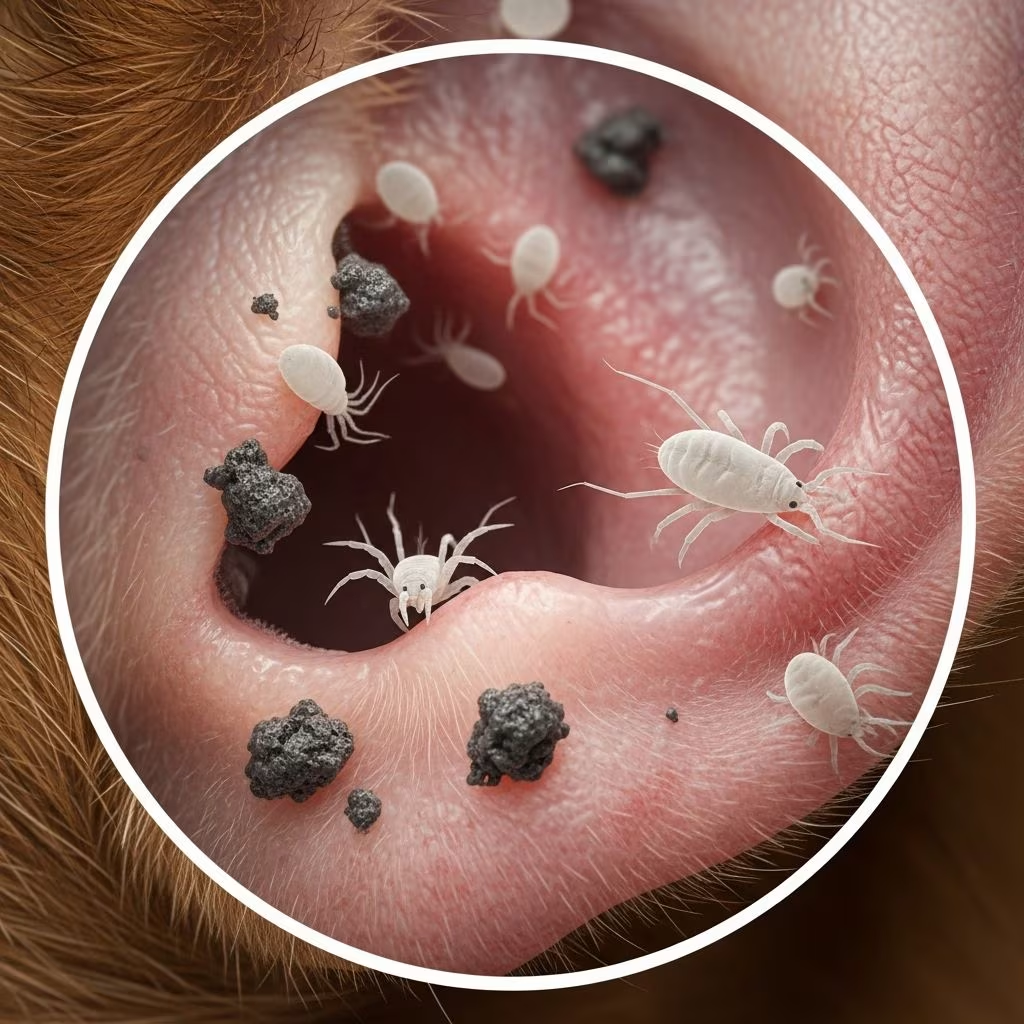
Ear mites represent a frequent parasitic issue in dogs, leading to significant discomfort if not managed promptly. These tiny arachnids, primarily Otodectes cynotis, reside in the ear canal, feeding on oils and tissues while laying eggs that perpetuate the cycle. Dogs of any age or breed can be affected, though puppies and those in multi-pet homes face higher risks due to the mites’ contagious nature. Early detection through observant care allows for straightforward resolution, often restoring normalcy within weeks.
Understanding the Nature of Ear Mites
These parasites thrive in warm, moist environments like a dog’s ear canal. A female mite can produce up to five eggs daily, hatching into larvae within four days before maturing. This rapid reproduction demands treatments targeting multiple life stages, as no single product eliminates eggs effectively. Unlike fleas, ear mites spread via direct contact between animals, not environmental fomites, though shared bedding can indirectly facilitate transmission.
Veterinarians diagnose via microscopic examination of ear swab debris, revealing mites amid the characteristic “coffee grounds” wax resembling ground coffee due to mite feces and debris. Breeds with upright ears or heavy ear flaps, such as Spaniels or Hounds, may be more susceptible due to retained moisture.
Recognizing the Signs of Infestation
Dogs with ear mites often exhibit intense itching, prompting vigorous head shaking or rubbing against surfaces. Watch for:
- Dark, crumbly discharge resembling coffee grounds from the ears.
- Redness, swelling, or foul odor in the ear canal.
- Hair loss around the ear base from scratching.
- Sensitivity when touching the ears, sometimes leading to yelping.
- Head tilting or balance issues if the infestation reaches the middle ear.
These symptoms mimic yeast or bacterial infections, underscoring the need for professional diagnosis to avoid misapplication of treatments. Untreated cases progress to secondary infections, causing chronic otitis and potential hearing impairment.
Professional Diagnosis Process
Visit your vet at the first sign of distress. The exam involves:
- Visual inspection of the ear canal using an otoscope for mites, inflammation, or discharge.
- Swabbing the ear for microscopic analysis confirming mite presence.
- Checking for secondary issues like bacterial overgrowth.
Sedation may be required for painful or deeply waxy ears. Accurate diagnosis guides targeted therapy, preventing prolonged suffering.
Conventional Treatment Approaches
Veterinary care centers on killing mites and soothing irritation. Standard protocols include:
| Step | Description | Frequency |
|---|---|---|
| Ear Cleaning | Remove debris with vet-supplied solution to enhance medication penetration. | Daily or as directed |
| Medicated Drops | Topical parasiticide drops like those containing pyrethrins or avermectins. | 7-10 days |
| Systemic Meds | Oral or spot-on like selamectin (Revolution), moxidectin, or isoxazolines (Simparica, Bravecto). | Single dose or monthly |
| Antibiotics/Antifungals | For secondary infections. | As prescribed |
A single application of products like NexGard or Advantage Multi often suffices, killing mites systemically. Follow-up exams confirm clearance, typically 2-4 weeks post-treatment.
Step-by-Step Home Treatment Guide
Once diagnosed and prescribed meds obtained, home care amplifies success:
1. Gather Supplies: Vet-recommended cleaner, cotton balls, gloves, and meds.
2. Position Your Dog: Secure gently on a stable surface; use treats for cooperation.
3. Clean Ears: Fill canal with cleaner, massage base 30 seconds, wipe excess with cotton—never insert deep.
4. Apply Medication: Follow dosage precisely; massage to distribute.
5. Monitor: Prevent self-trauma with an e-collar if scratching persists.
Clean bedding weekly and isolate from other pets until vet clearance.
Exploring Natural Remedies
For mild cases or adjunct therapy, nature offers supportive options, though they lack the potency of pharmaceuticals.
- Olive Oil: Suffocates mites; warm slightly, apply 3-5 drops every 3 days for 2 weeks. Add peppermint or calendula essential oil (1-3 drops per oz) for enhancement.
- Garlic Oil: Sulfur content repels mites; dilute and apply sparingly due to potency.
- Green Tea: Antiseptic rinse; steep, cool, apply 3-4 drops, massage, and wipe. Repeat daily.
These soothe but confirm with vet before use, especially avoiding toxicity risks in small breeds.
Prevention Strategies for Long-Term Ear Health
Proactive measures minimize recurrence:
- Monthly flea/tick preventives covering mites (e.g., Revolution, Bravecto).
- Weekly ear inspections and gentle cleaning for at-risk dogs.
- Quarantine new pets for 2 weeks.
- Maintain hygiene in multi-pet homes; wash bedding frequently.
- Regular vet check-ups for early detection.
Consistent grooming removes wax buildup, deterring mite settlement.
Potential Complications and When to Seek Help
While treatable, delays invite issues like aural hematomas (blood-filled swellings) or deep infections requiring surgery. Seek immediate care if symptoms worsen post-treatment, fever appears, or neurological signs emerge. Puppies under 8 weeks need extra caution with meds.
FAQs
Can ear mites spread to humans?
No, Otodectes cynotis is species-specific to dogs and cats.
How long until improvement?
Most dogs show relief in 3-7 days; full clearance in 2-4 weeks.
Are over-the-counter treatments safe?
Not without vet approval; they may mask issues or cause resistance.
Do all flea preventives kill ear mites?
Many do, like selamectin-based; consult your vet for specifics.
Is home cleaning enough alone?
No, combine with parasiticide for efficacy.
Conclusion
Armed with knowledge, dog owners can swiftly address ear mites, ensuring their pets’ comfort and health. Prioritize veterinary guidance for optimal outcomes.
References
- Ear Mites in Cats and Dogs — VCA Animal Hospitals. 2023. https://vcahospitals.com/know-your-pet/ear-mites-otodectes-in-cats-and-dogs
- How to Approach Ear Mite Treatment for Dogs — Faithful Friends Vet Clinic. 2024. https://faithfulfriendsvetclinic.com/how-to-approach-ear-mite-treatment-for-dogs/
- Signs of Ear Mites In Dogs (Plus: Treatments & Home Remedies) — Dogs Naturally Magazine. 2024. https://www.dogsnaturallymagazine.com/ear-mites-in-dogs-natural-remedies/
- A Comprehensive Guide to Treating Ear Mites in Dogs — Pet Honesty. 2023. https://www.pethonesty.com/blogs/blog/treating-ear-mites-in-dogs
- Ear Mites in Dogs: Treatment & Prevention — Tractor Supply Co. 2024. https://www.tractorsupply.com/tsc/cms/life-out-here/pet/dogs/ear-mites-in-dogs-treatment-prevention
- Ear Mites In Dogs | Causes, Symptoms and Treatment — NexGard. 2024. https://nexgard.com.au/dog-parasites/mites



