

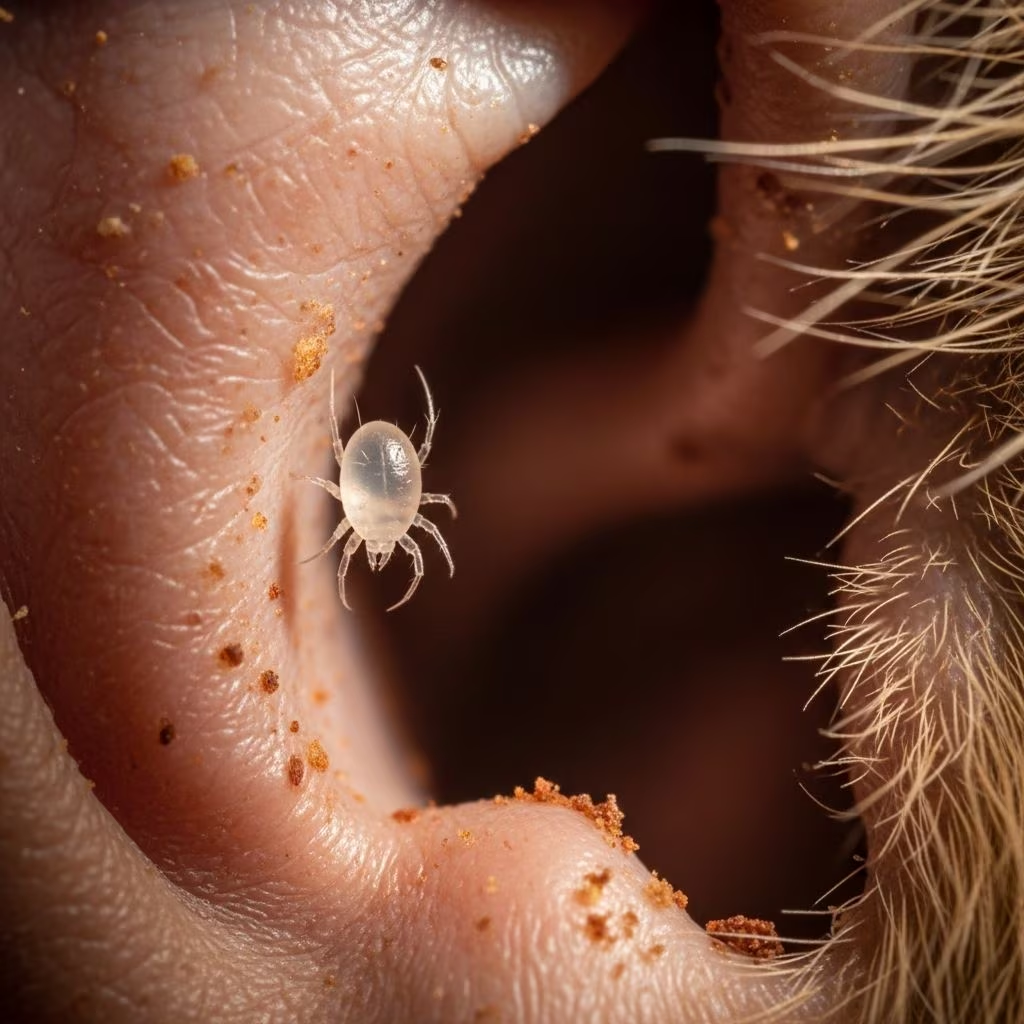
Ear mites represent a frequent parasitic issue in dogs, leading to significant discomfort through intense itching and inflammation in the ear canals. These tiny arachnids, known scientifically as Otodectes cynotis, feed on ear wax and oils, rapidly multiplying if not addressed promptly. Dog owners must recognize early signs and pursue targeted interventions to restore their pet’s well-being.
Understanding the Nature of Ear Mites
Ear mites are microscopic parasites that thrive in the warm, moist environment of a dog’s ear canal. Unlike fleas or ticks, they specialize in ear habitation, completing their life cycle entirely within the ears. Adult females lay eggs that hatch into larvae within days, perpetuating a swift infestation cycle. While more prevalent in puppies and young dogs, any canine can succumb, particularly those in multi-pet households or with outdoor exposure.
These mites do not discriminate by breed but pose greater risks to dogs with floppy ears, as poor ventilation fosters their growth. Transmission occurs via direct contact with infested animals, including cats, which serve as common carriers. Environmental factors, such as shared bedding, amplify spread risks within homes.
Recognizing Symptoms of Ear Mite Infestation
Dogs afflicted with ear mites often display hallmark behaviors and physical cues. The most noticeable symptom involves vigorous head shaking and frequent scratching at the ears, sometimes causing self-inflicted wounds or secondary hematomas from excessive force.
- Dark, crumbly discharge resembling coffee grounds, stemming from mite waste and debris.
- Foul odor emanating from the ears due to bacterial overgrowth.
- Redness, swelling, and heightened sensitivity in the ear flaps and canals.
- Hair loss around the ears from relentless scratching.
- Balance issues or head tilting in severe cases, indicating deeper involvement.
Owners should inspect ears weekly, gently lifting flaps to check for these indicators. Early detection prevents complications like chronic infections or eardrum damage.
Diagnostic Process for Accurate Confirmation
Veterinary diagnosis remains essential, as symptoms mimic yeast infections, allergies, or bacterial issues. During examination, vets perform an ear swab, placing debris on a slide for microscopic analysis to visualize mites, eggs, or larvae.
If initial cytology proves inconclusive, additional tests like skin scrapings rule out demodectic mange. Painful ears may necessitate sedation for thorough sampling. Prompt vet visits ensure tailored treatment plans, avoiding misapplication of remedies.
Veterinary Treatment Protocols
Effective management combines ear cleansing with parasiticidal agents. Vets first recommend gentle cleaning to remove buildup, enhancing medication penetration. Products like antimicrobial flushes target secondary infections alongside mites.
| Treatment Type | Examples | Application | Duration |
|---|---|---|---|
| Topical Spot-Ons | Revolution, Bravecto, Advantage Multi | Applied between shoulder blades | Single dose, repeat if needed |
| Ear Ointments | Animax | Post-cleaning in canal | Twice daily for 7 days |
| Oral Medications | Selamectin, Ivermectin (off-label) | By mouth | 1-2 doses |
| Anti-Inflammatories | Prednisone | Oral or topical | Short-term for pain |
These parasiticides kill adult and larval stages but spare eggs, necessitating follow-up. Household pets require simultaneous treatment due to high contagiousness.
Step-by-Step Home Care During Treatment
Support vet protocols with diligent at-home care. Use vet-approved cleansers daily: fill the canal, massage the base for 30 seconds, and wipe excess with cotton balls, avoiding deep probing.
- Gather supplies: cleanser, cotton balls, treats for cooperation.
- Secure your dog comfortably, perhaps with a helper.
- Lift ear flap, instill drops, and massage thoroughly.
- Allow shaking, then gently clean visible debris.
- Reward to build positive associations.
Monitor for worsening signs, contacting your vet if needed. Complete full courses to eradicate all life stages.
Environmental Control and Household Measures
Ear mites survive off-host for weeks, demanding home sanitation. Vacuum carpets, wash bedding in hot water, and deploy flea sprays labeled safe for environments—never directly on pets.
- Isolate infested dogs temporarily.
- Disinfect grooming tools with alcohol.
- Treat all in-home animals prophylactically.
These steps break transmission cycles, safeguarding against reinfestation.
Exploring Natural Supportive Remedies
While not substitutes for vet care, certain home options soothe symptoms under guidance. Coconut oil’s antimicrobial properties smother mites when warmed and massaged in sparingly. Diluted apple cider vinegar cleanses mildly acidic environments inhospitable to parasites.
Green tea rinses, cooled and applied via drops, reduce debris. Always patch-test and cease if irritation occurs, prioritizing professional oversight to avoid delays in effective treatment.
Prevention Strategies for Long-Term Ear Health
Proactive measures minimize risks. Regular ear inspections and cleanings, especially post-swimming, maintain hygiene. Boost immunity via balanced diets rich in omega-3s and probiotics.
- Avoid contact with strays or infested pets.
- Dry ears thoroughly after baths.
- Employ monthly preventatives covering mites.
- Schedule biannual vet ear checks.
These habits foster resilience against parasites.
Monitoring Recovery and Follow-Up Care
Improvement appears within days, but full clearance spans 30 days. Re-check cytology confirms success. Persistent issues signal resistance or underlying conditions like allergies.
Post-treatment, transition to maintenance cleanings biweekly, watching for relapse cues.
Frequently Asked Questions (FAQs)
Can humans catch ear mites from dogs?
No, ear mites specific to canines and felines do not infest humans.
How long do ear mites live in dogs?
The life cycle spans about 21 days, with rapid egg production accelerating spread.
Are over-the-counter treatments sufficient?
Not reliably; vet-prescribed options ensure safety and efficacy.
Do ear mites affect all dog breeds equally?
Floppy-eared breeds face higher susceptibility due to moisture retention.
What if my dog resists ear cleaning?
Use treats, gentle restraint, or sedation via vet for initial sessions.
References
- Ear Mites in Dogs: What Are They and How Do You Treat Them? — PetMD. 2023. https://www.petmd.com/dog/conditions/infectious-parasitic/ear-mites-dogs-what-are-they-and-how-do-you-treat-them
- A Comprehensive Guide to Treating Ear Mites in Dogs — Pet Honesty. 2024. https://www.pethonesty.com/blogs/blog/treating-ear-mites-in-dogs
- Ear Mites in Cats and Dogs — VCA Animal Hospitals. 2024. https://vcahospitals.com/know-your-pet/ear-mites-otodectes-in-cats-and-dogs
- Ear Mites In Dogs – And How To Get Rid Of Them — Four Leaf Rover. 2023. https://fourleafrover.com/blogs/natural-health/ear-mites-in-dogs-and-how-to-get-rid-of-them
- Ear mites in dogs and puppies — PDSA. 2024. https://www.pdsa.org.uk/pet-help-and-advice/pet-health-hub/conditions/ear-mites-in-dogs-and-puppies
- How to Treat Ear Mites in Cats and Dogs — Montgomery Village Veterinary Centre. 2022-06-01. https://www.montgomeryvillagevet.ca/resources/blog/june-2022/how-to-treat-ear-mites-in-cats-and-dogs



