

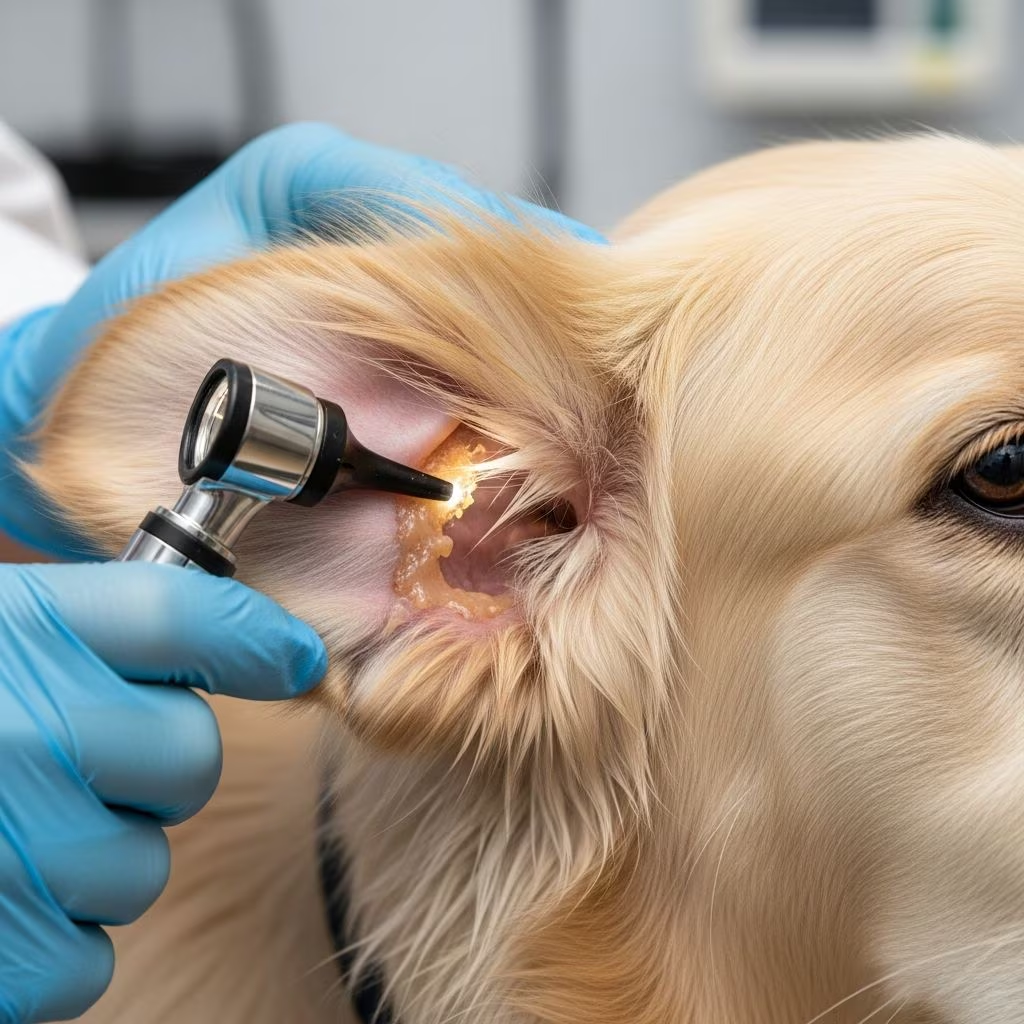
Ear mites represent a common parasitic issue in dogs, leading to intense discomfort and potential complications if not addressed promptly. These tiny invaders thrive in the warm ear canals, feeding on wax and oils while triggering inflammation.
Understanding the Nature of Ear Mites
Ear mites, primarily Otodectes cynotis, are microscopic arachnids that infest the external ear canal of dogs and cats alike. Though more prevalent in felines, dogs can contract them through direct contact with infected animals or shared environments like bedding. These parasites burrow into the skin, laying eggs that hatch into larvae, perpetuating a rapid life cycle of about 21 days. Adult mites measure less than half a millimeter, making them invisible to the naked eye, but their presence quickly manifests through secondary effects like excessive wax production and bacterial overgrowth.
The infestation often starts in multi-pet households or areas with stray animals, as mites spread via physical touch or fomites. Puppies nursing from carrier mothers are particularly vulnerable, highlighting the need for early veterinary checks in young dogs.
Recognizing the Warning Signs
Dogs afflicted with ear mites display unmistakable behavioral and physical cues. The hallmark symptom is relentless itching, prompting vigorous head shaking and pawing at the ears, which can escalate to self-inflicted wounds. Owners frequently notice a dark, crumbly, coffee-ground-like discharge resembling dried blood mixed with wax, accompanied by a foul odor emanating from the head area.
- Intense scratching around ears and head
- Frequent head tilting or shaking
- Redness, swelling, or hot spots on ear flaps
- Hair loss near ears from excessive grooming
- Reluctance to have head touched due to pain
- Crusty rash or raw skin in severe cases
- Possible lethargy or appetite loss if infection spreads
These signs mimic other ear conditions like yeast or bacterial infections, underscoring the importance of professional diagnosis to avoid mis treatment.
How Veterinarians Confirm Ear Mite Infestations
Diagnosis begins with a thorough ear examination using an otoscope to visualize the canal for mites, debris, or inflammation. If ears are too painful or debris-heavy, sedation may be required. Veterinarians collect a swab of the discharge and examine it under a microscope, where the pear-shaped mites, eggs, or larvae become evident against a backdrop of yeast or bacteria.
History of exposure to other pets aids suspicion, but microscopy provides definitive proof. Early detection prevents complications like aural hematomas—blood-filled swellings from ruptured vessels—or chronic otitis leading to hearing impairment.
Effective Treatment Strategies
Treatment targets both the mites and secondary infections. Initial steps involve gentle cleaning to remove debris, followed by medicated applications. Prescription topicals combine antiparasitics, anti-inflammatories, and antibiotics for comprehensive relief.
| Treatment Type | Examples | Application | Duration |
|---|---|---|---|
| Topical Ear Medications | Acarexx (ivermectin), Milbemite (milbemycin) | Single-dose in ear canal | One-time |
| Spot-On Preventives | Revolution (selamectin), Advantage Multi | Monthly skin application | 1-3 months |
| Oral/Chewables | NexGard (afoxolaner), Bravecto (fluralaner), Simparica | Oral monthly | 1-3 months |
| Injectables | Ivermectin | Vet-administered | Single dose |
Over-the-counter options exist but are less reliable, often requiring 3-4 weeks versus 7-10 days for prescriptions. Complete the full course to eradicate eggs, as partial treatment risks recurrence. For traumatized skin, oral antibiotics may supplement.
Step-by-Step Home Care During Treatment
Support vet protocols with safe home maintenance. Use vet-recommended cleaners to flush ears daily, avoiding cotton swabs that push debris deeper. Apply medications as directed, massaging the base to distribute evenly.
- Gather supplies: saline solution or vet cleaner, gauze squares, treats for cooperation.
- Secure your dog comfortably; use a helper if needed.
- Gently lift ear flap, fill canal halfway with cleaner.
- Massage base for 30 seconds; let dog shake out excess.
- Wipe exterior with gauze; praise and reward.
- Follow with prescribed drops or ointment.
Monitor for worsening signs like balance issues, warranting immediate vet return. Treat all household pets simultaneously to curb spread.
Preventing Future Ear Mite Problems
Proactive measures minimize risk. Maintain year-round flea, tick, and heartworm preventives, many of which (e.g., isoxazolines) kill ear mites incidentally. Quarantine new pets for 2-3 weeks and inspect ears regularly, especially in puppies or multi-animal homes.
- Regular ear checks during grooming routines
- Avoid contact with strays or infested animals
- Wash bedding and toys frequently
- Keep ears dry after swimming or baths
- Schedule wellness exams biannually
Breeds with floppy ears, like Spaniels or Bassets, benefit from weekly drying and cleaning to deter buildup.
Potential Complications and When to Seek Urgent Care
Untreated infestations invite bacterial or yeast overgrowth, chronic inflammation, or eardrum rupture. Watch for neurological signs like circling, eye nicking, or seizures indicating deeper involvement. Aural hematomas require surgical drainage in advanced cases.
Seek emergency care if your dog shows profound pain, head tilt persisting post-treatment, foul pus, or fever. Prompt intervention preserves hearing and quality of life.
FAQs on Ear Mites in Dogs
Can humans get ear mites from dogs?
No, ear mites specific to dogs and cats do not infest humans.
How long do ear mite treatments take to work?
Most prescription treatments resolve symptoms in 7-14 days, but full courses last 3 weeks to kill all life stages.
Are ear mites contagious to other pets?
Yes, highly—treat all dogs, cats, and even ferrets in the home.
Can I use cat ear mite treatments on dogs?
Some overlap (e.g., Revolution), but consult a vet for dog-safe formulations to avoid toxicity.
What if my dog hates ear cleaning?
Opt for systemic options like injectables or orals; desensitize gradually with positive reinforcement.
Long-Term Ear Health for Your Dog
Beyond mites, foster resilient ears through diet rich in omega-3s, allergy management, and routine vet cleanings. Understanding these parasites empowers owners to act swiftly, ensuring their dogs enjoy itch-free, alert lives.
References
- Ear Mites in Dogs: Causes, Signs, and Treatment — Long Beach Animal Hospital. 2023. https://lbah.com/canine/ear-mites-in-dogs/
- Symptoms and Treatment of Ear Mites in Dogs — Bayshore Animal Hospital. 2024. https://bayshore-vet.com/blog/dog-ear-mites-holmdel-nj/
- Ear Mites in Dogs: Appearance, Symptoms & Treatments — GoodRx. 2025-03-15. https://www.goodrx.com/pet-health/dog/ear-mites-in-dogs
- Ear Mites (Otodectes) in Cats and Dogs — VCA Animal Hospitals. 2024. https://vcahospitals.com/know-your-pet/ear-mites-otodectes-in-cats-and-dogs
- Ear Mites in Dogs and Puppies — PDSA. 2024. https://www.pdsa.org.uk/pet-help-and-advice/pet-health-hub/conditions/ear-mites-in-dogs-and-puppies



