

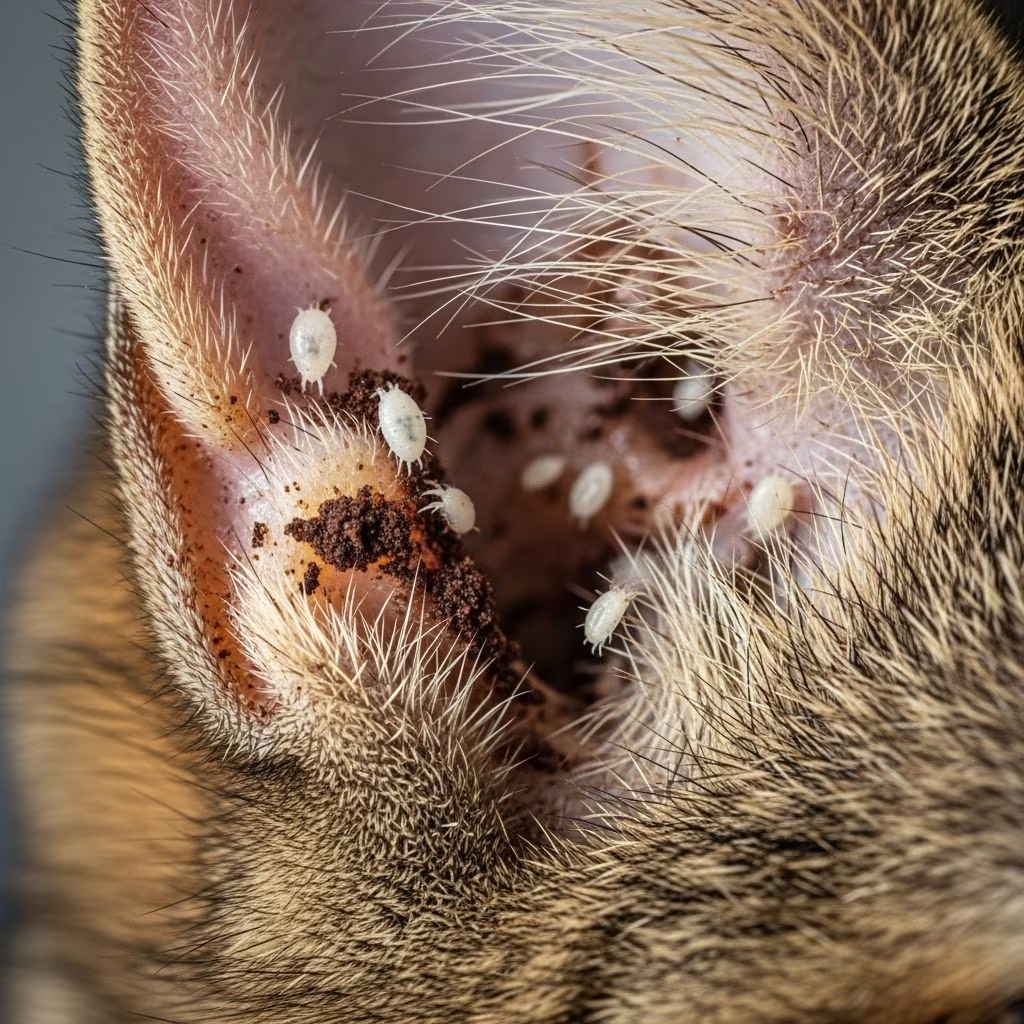
Ear mites are a common parasitic infestation in cats, particularly affecting kittens and outdoor cats, causing significant discomfort through intense itching and ear inflammation. These tiny parasites, known scientifically as Otodectes cynotis, thrive in the warm ear canal environment and can spread rapidly among pets in close contact.
What Are Ear Mites?
Ear mites are microscopic parasites that live in the ear canals of cats, feeding on ear wax and oils while laying eggs that hatch into new mites within a 21-day life cycle. They are highly contagious, transmitting easily through direct contact between cats, dogs, or even ferrets, making multi-pet households particularly vulnerable. Unlike fleas or ticks, ear mites specifically target the ears but can lead to secondary bacterial or yeast infections if untreated.
Adult ear mites are about 0.3 to 0.5 mm long, spider-like in appearance with eight legs, though they are rarely visible to the naked eye without magnification. The infestation often starts with a female mite laying eggs in the ear canal, leading to rapid population growth if not addressed. Young cats, strays, and those frequenting shelters are at higher risk due to increased exposure opportunities.
Symptoms of Ear Mites in Cats
Recognizing the signs early is crucial for prompt treatment. Cats with ear mites typically exhibit:
- Dark, crumbly discharge resembling coffee grounds or black dandruff, caused by mite waste and ear debris.
- Intense head shaking and scratching at the ears, often leading to hair loss, scabs, or wounds around the base of the ears.
- Redness and inflammation inside the ear canal, sometimes accompanied by a foul odor from secondary infections.
- Sensitivity or pain when the ears are touched, causing the cat to flatten ears or avoid handling.
- Hearing loss or balance issues in severe, chronic cases where mites cause deeper ear damage.
These symptoms can mimic other ear conditions like yeast infections or allergies, so veterinary diagnosis via microscopic examination of ear swab is essential. Untreated infestations worsen quickly, potentially leading to aural hematomas or chronic otitis.
Causes and Transmission of Ear Mites
Ear mites spread primarily through direct physical contact between infested and non-infested animals, such as grooming, playing, or sharing bedding. They can also transfer via shared surfaces like bedding, kennels, or grooming tools harboring eggs or mites. Outdoor cats picking up mites from stray animals or contaminated environments face higher risks.
Once introduced, mites complete their life cycle rapidly: eggs hatch in 3-4 days, larvae develop over a week, and adults mate to perpetuate the infestation. All life stages survive off the host for only short periods, emphasizing the importance of treating all in-contact pets simultaneously. Indoor-only cats are less prone but not immune, especially in homes with feral visitors or multi-pet setups.
How Does a Vet Diagnose Ear Mites?
Veterinarians diagnose ear mites through a combination of clinical signs and laboratory confirmation. During an exam, the vet inspects the ear canal for characteristic dark debris and uses an otoscope to visualize mites or inflammation. A definitive diagnosis comes from taking an ear swab, mixing it with mineral oil on a slide, and examining under a microscope for live mites, eggs, or larvae.
Differential diagnoses include bacterial/yeast otitis, ear polyps, or allergies, which may require cytology or culture tests. Early diagnosis prevents complications like eardrum rupture, ensuring targeted treatment. Owners should note any recent pet interactions or outdoor exposure to aid the vet.
Treatment Options for Ear Mites in Cats
Treatment is straightforward and highly effective when initiated promptly under veterinary guidance. Key steps include:
- Ear cleaning: Vets use specialized cleaners like Epi-Otic® to remove debris, wax, and dead mites daily during initial treatment. Home cleaning follows with vet-approved solutions, avoiding Q-tips to prevent injury.
- Antiparasitic medications: Topical ear drops containing milbemycin or ivermectin kill mites on contact. Systemic options like selamectin (Revolution®) or moxidectin (Advantage Multi™) are applied between shoulder blades for full-body coverage, effective after one dose.
- Antibiotics/steroids: For secondary infections, topical antibiotics or oral steroids like prednisolone reduce inflammation and pain.
- Household treatment: All pets must be treated, even if asymptomatic, to prevent reinfestation. Follow-up exams in 2-4 weeks confirm clearance.
Avoid home remedies like oil or vinegar, as they fail against eggs and may worsen irritation. Table below compares common treatments:
| Treatment Type | Examples | Application | Efficacy |
|---|---|---|---|
| Topical Ear Drops | Milbemycin, Ivermectin | Direct into ear canal | High, kills adults/larvae |
| Spot-On Preventatives | Revolution®, Advantage Multi™ | Skin between shoulders | Single dose often sufficient |
| Systemic Isoxazolines | Afoxolaner, Fluralaner | Oral/topical | Effective, multi-parasite control |
Treatment duration varies from 2-4 weeks, with monthly preventatives recommended long-term.
Preventing Ear Mites in Cats
Prevention focuses on routine care and vigilance:
- Monthly preventatives: Flea/tick/heartworm topicals like Revolution® protect against mites year-round.
- Regular vet checkups: Schedule monthly ear exams and cleanings to catch issues early.
- Home hygiene: Wash bedding, kennels, and toys biweekly; vacuum frequently to remove stray mites.
- Isolation and indoors: Keep new or infested cats separate until cleared; maintain indoor lifestyles to minimize exposure.
- Weekly ear cleaning: Use vet-recommended cleaners to prevent debris buildup fostering mites.
For multi-pet homes, consistent parasite control across all animals is key to avoiding outbreaks.
Frequently Asked Questions (FAQs)
Can humans get ear mites from cats?
No, ear mites specific to cats and dogs do not infest humans, though good hygiene prevents indirect spread.
How long do ear mites live in cats?
The full life cycle is about 21 days, but untreated infestations can persist indefinitely with egg hatching.
Are ear mites contagious to dogs?
Yes, Otodectes cynotis affects dogs too; treat all household pets simultaneously.
Can I treat ear mites at home without a vet?
No, professional diagnosis and prescription meds are required; home remedies are ineffective against eggs.
How often should I clean my cat’s ears?
Weekly for prevention, or as directed during treatment; always use vet-approved products.
References
- Ear Mites in Cats (Otodectes cynotis) — PetMD. 2023. https://www.petmd.com/cat/conditions/infectious-parasitic/ear-mites-cats
- Ear Mites: Uncovering, Treating, and Preventing Infestations — Today’s Veterinary Practice. 2023. https://todaysveterinarypractice.com/parasitology/ear-mites-uncovering-treating-and-preventing-infestations/
- Ear Mites in Cats: Causes, Treatment & Prevention — Ferguson Animal Hospital. 2024-05-15. https://www.fergusonanimalhospital.com/site/blog/2024/05/15/ear-mites-cats
- Ear Mites in Cats: Causes, Treatment & Prevention — Mt. Yorba Animal Hospital. 2022-11-30. https://www.mtyonahanimalhospital.com/site/blog/2022/11/30/ear-mites-in-cats-causes-treatment–prevention
- Ear Mites in Cats – Causes, Symptoms & Treatment — Guilford Jamestown Vet. 2024-05-30. https://www.guilfordjamestownvet.com/site/blog-greensboro-vet/2024/05/30/ear-mites-cat



