

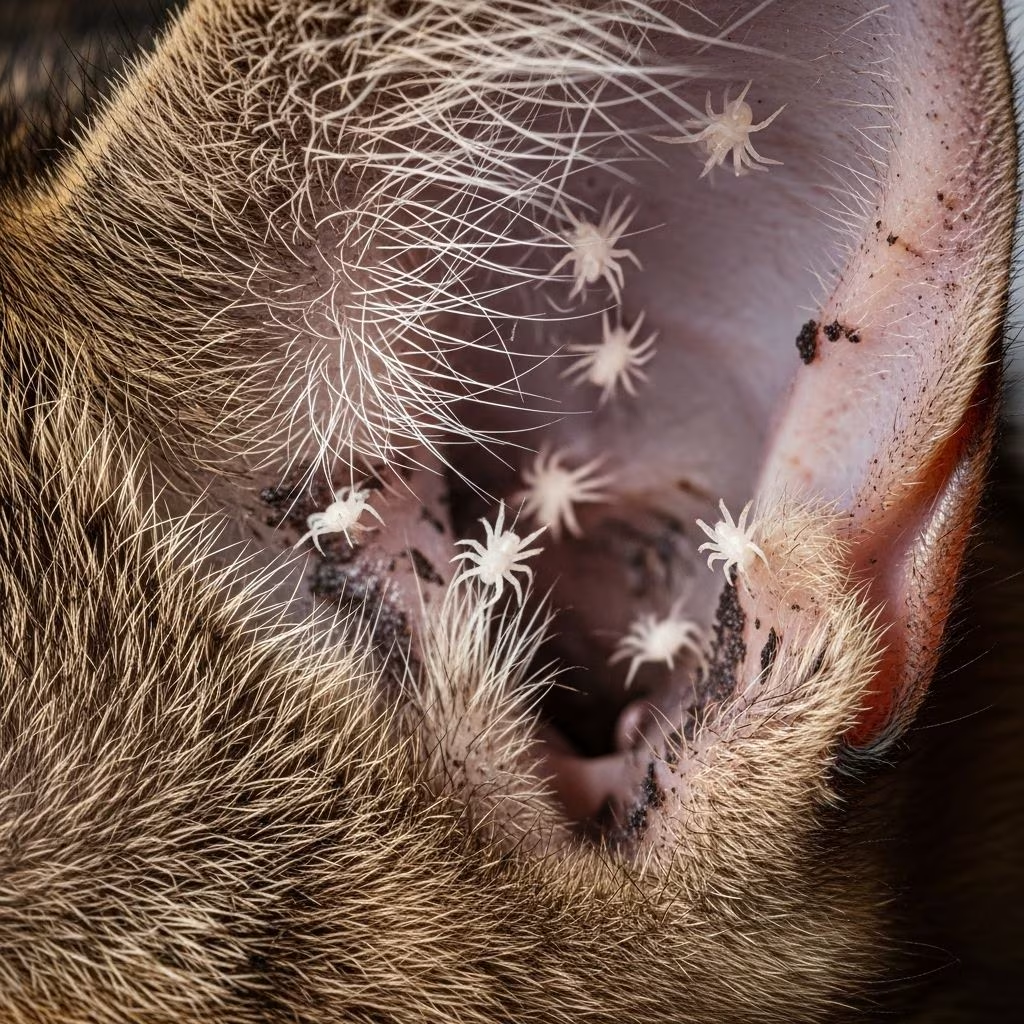
Understanding Ear Mites in Cats
Ear mites are one of the most common external parasites that affect cats, causing significant discomfort and irritation in the ear canal and surrounding areas. These tiny parasites, scientifically known as Otodectes cynotis, belong to the arachnid class and are highly contagious between animals. While they are generally not considered a risk to human health, ear mites can lead to severe skin and ear infections if left untreated, making early detection and intervention crucial for your cat’s wellbeing.
Understanding what ear mites are, how cats contract them, and what treatment options are available can help you protect your feline companion and ensure they receive prompt care when needed. This comprehensive guide covers everything pet owners need to know about ear mites in cats.
What Are Ear Mites?
Ear mites are microscopic parasites that make their home on the surface of the ear canal and sometimes on the skin’s surface. Although they are tiny and difficult to see with the naked eye, you may notice them as quickly moving white spots if you have particularly good eyesight. These parasites have eight legs and a smaller set of specialized appendages that allow them to move rapidly and burrow into the ear canal.
The lifecycle of an ear mite spans approximately 21 days, which is an important factor to consider when planning treatment strategies. During this time, mites go through various developmental stages, and understanding this cycle helps veterinarians determine the appropriate duration of treatment. The fact that ear mites are highly contagious means they spread easily between animals, particularly in environments where pets have close contact with one another.
How Cats Contract Ear Mites
Ear mites are transmitted through direct contact with infected animals or contaminated surfaces. Understanding the transmission routes can help you take preventive measures to protect your cat from infestation.
Common Sources of Infection
Cats can contract ear mites through several common scenarios:
- Close contact with other infected animals, particularly in boarding facilities or shelters
- Contact with other household pets that are already infested
- Exposure to contaminated grooming tools, bedding, or other shared items
- Outdoor exposure when cats interact with stray or wild animals
- Adoption from shelters or rescue organizations where mites may be present
If you have recently brought your cat home from a shelter or rescue organization, it is essential to examine them thoroughly for any signs of ear mite infestation. Many kittens adopted from shelters arrive with ear mites, and prompt detection ensures faster treatment and prevents spread to other household pets.
Recognizing the Symptoms of Ear Mites
Identifying the symptoms of ear mites is the first step toward getting your cat the help they need. Cats with ear mite infestations typically display several characteristic signs that warrant immediate veterinary attention.
Key Symptoms to Watch For
- Head shaking: Frequent and vigorous head shaking, especially after waking up or during quiet moments
- Ear scratching: Excessive scratching, pawing, or rubbing at the ears and surrounding areas
- Ear inflammation: Visible redness and swelling inside or around the ear canal
- Hair loss: Baldness or hair thinning around the ears due to excessive scratching and irritation
- Dark, crusty discharge: Brown, black, or reddish-brown waxy discharge that resembles coffee grounds
- Pus or oozing: Signs of secondary bacterial infection with pus or excessive drainage
- Odor: Unusual or unpleasant smell coming from the ears
- Behavioral changes: Restlessness, irritability, or sensitivity when ears are touched
The characteristic dark, crusty discharge is one of the most telling signs of ear mite infestation. This discharge results from the mite’s feces, dead mites, and the ear’s natural inflammatory response. Some cats may develop generalized skin problems similar to flea allergy dermatitis if mites spread beyond the ear canal.
Diagnosis and Professional Evaluation
While you may notice symptoms at home, a definitive diagnosis must come from a veterinarian. Your vet will perform an otoscopic examination, looking directly into the ear canal with specialized equipment. In some cases, your veterinarian may take a sample of the ear discharge and examine it under a microscope to confirm the presence of ear mites before beginning treatment.
A professional diagnosis is important because some symptoms of ear mites can resemble other ear conditions, such as yeast infections or bacterial infections. Getting an accurate diagnosis ensures your cat receives the most appropriate treatment.
Treatment Options for Ear Mites
The good news is that ear mites are relatively easy to treat when you follow your veterinarian’s recommendations. Treatment typically involves a combination of approaches tailored to your cat’s specific situation and the severity of the infestation.
Primary Treatment Methods
Veterinarians typically offer several effective treatment options:
- Topical antiparasitic drops: Medications applied directly into the ear canal that kill mites on contact
- Flea, tick, and heartworm preventatives: Topical medications like Revolution or Advantage Multi applied between the shoulder blades, effective after a single dose and providing ongoing protection
- Oral antiparasitic medications: Systemic treatments prescribed for comprehensive mite elimination
- Ear cleaning: Professional ear cleaning to remove mite debris, discharge, and wax buildup
- Antibiotics: Prescribed if secondary bacterial infections are present in the ear canal
- Topical steroids: Anti-inflammatory medications to reduce severe ear inflammation and discomfort
Comprehensive Treatment Approach
Your veterinarian will typically recommend a comprehensive approach that includes thorough ear cleaning to remove the characteristic wax and discharge. After cleaning, antiparasitic medication is applied or prescribed. If your cat has scratched excessively, resulting in secondary infections, your vet will prescribe appropriate antibiotics or medicated creams to treat the affected areas.
Due to the contagious nature of ear mites, your veterinarian will likely prescribe medication for any other household pets to prevent the infestation from continuing within your home. Treating all susceptible pets simultaneously is crucial for complete elimination of the parasite.
Treatment Duration and Follow-up
Most ear mite treatments require consistent application over a period of weeks. Your veterinarian will schedule a follow-up appointment one to two weeks after starting treatment to verify that the mites are gone and determine if additional treatment is necessary. This follow-up is essential because incomplete treatment can lead to reinfestation when mite eggs hatch.
Why Home Remedies Are Not Recommended
While some home remedies may kill adult mites, veterinarians strongly advise against using at-home treatments for ear mites. The primary reason is that most home treatments do not kill mite eggs, meaning the infestation will likely resume once the eggs hatch and develop into adult mites. Additionally, some home remedies can be irritating to your cat’s sensitive ear tissue or may be toxic if ingested during grooming.
Veterinarian-prescribed treatments are formulated to effectively eliminate all stages of the mite lifecycle, providing comprehensive and lasting relief for your cat.
Preventing Ear Mites in Cats
Prevention is always easier and more cost-effective than treatment. Implementing a comprehensive prevention strategy can significantly reduce your cat’s risk of developing an ear mite infestation.
Key Prevention Strategies
- Monthly parasite prevention: Apply flea, tick, and heartworm preventatives year-round as recommended by your veterinarian
- Regular ear cleaning: Clean your cat’s ears once weekly with a clean cotton ball to prevent buildup that creates a favorable environment for mites
- Routine veterinary checkups: Schedule regular appointments so your vet can examine your cat’s ears during routine exams
- Professional ear cleaning: Have your vet perform professional ear cleanings during annual wellness visits
- Home hygiene: Clean your cat’s bedding, toys, and kennel frequently to eliminate any stray mites
- Isolation of infected pets: Keep healthy pets separate from infested animals until mites have been completely eliminated
- Indoor housing: Keep cats indoors to reduce exposure to mites from wildlife and stray animals
Proper Ear Cleaning Technique
If your veterinarian recommends home ear cleaning, use proper technique to avoid causing harm. Dip a clean cotton ball in a veterinary-approved ear cleaning solution and gently massage the base of your cat’s ear for 20 to 30 seconds to distribute the solution. Never insert the cotton ball deep into the ear canal. After massaging, hold the ear flap and use gauze or a cotton ball to remove any debris. Never use alcohol directly in the ear canal, as this can cause irritation.
Treating Multiple Household Pets
If you have multiple cats or other pets in your home, all susceptible animals should be treated simultaneously. This is particularly important because ear mites readily spread between cats, dogs, and other animals. Your veterinarian will provide medication for each pet, and it is essential to follow the dosing schedule exactly as prescribed to ensure complete elimination of the parasites throughout your household.
When to Contact Your Veterinarian
Contact your veterinarian immediately if you notice any signs of ear mite infestation in your cat. Early intervention prevents complications and reduces the duration of your cat’s discomfort. Additionally, seek veterinary care if your cat’s symptoms do not improve after treatment begins or if new symptoms develop during the treatment period.
Frequently Asked Questions About Ear Mites in Cats
Q: Are ear mites contagious to humans?
A: Ear mites very rarely infect humans and are generally not considered a significant health risk to people. However, practicing good hygiene when handling an infested cat is always recommended.
Q: Can indoor cats get ear mites?
A: While indoor cats have lower risk of exposure, they can still contract ear mites from other household pets or through contaminated objects. Regular preventative treatment is recommended for all cats.
Q: How long does ear mite treatment take?
A: The ear mite lifecycle is approximately 21 days. Most treatments span several weeks to ensure complete elimination of mites at all lifecycle stages. Your veterinarian will determine the exact duration based on your cat’s specific situation.
Q: Can ear mites cause permanent damage to my cat’s ears?
A: While ear mites themselves rarely cause permanent damage when treated promptly, severe secondary infections from excessive scratching can potentially lead to complications. Early treatment prevents such complications.
Q: What products are effective against ear mites?
A: Many broad-spectrum flea and tick preventatives are also effective against ear mites. These include Revolution, Advantage Multi, and prescription treatments recommended by your veterinarian specifically for cats.
Q: Do I need to treat my cat if I suspect ear mites but haven’t confirmed the diagnosis?
A: It is best to obtain a definitive diagnosis from your veterinarian before beginning treatment. This ensures appropriate medication selection and dosing specific to your cat’s needs.
References
- Ear Mites in Cats: Causes, Treatment, & Prevention — Maury County Veterinary Clinic. 2023-12-15. https://www.maurycountyvet.com/site/blog/2023/12/15/ear-mites-cats
- Ear Mites in Cats — PetMD. 2024. https://www.petmd.com/cat/conditions/infectious-parasitic/ear-mites-cats
- Ear Mites: Uncovering, Treating, and Preventing Infestations — Today’s Veterinary Practice. 2024. https://todaysveterinarypractice.com/parasitology/ear-mites-uncovering-treating-and-preventing-infestations/
- What to Know About Ear Mites in Cats — Vetster. 2024. https://vetster.com/en/wellness/what-to-know-about-ear-mites-in-cats
- Ear Mites in Cats: Causes, Treatment & Prevention — Franklin Veterinary Clinic. 2023-07-31. https://www.petvet.vet/site/blog/2023/07/31/ear-mites-cats



