

Ear Mites in Dogs: What Are They and How Do You Treat Them?
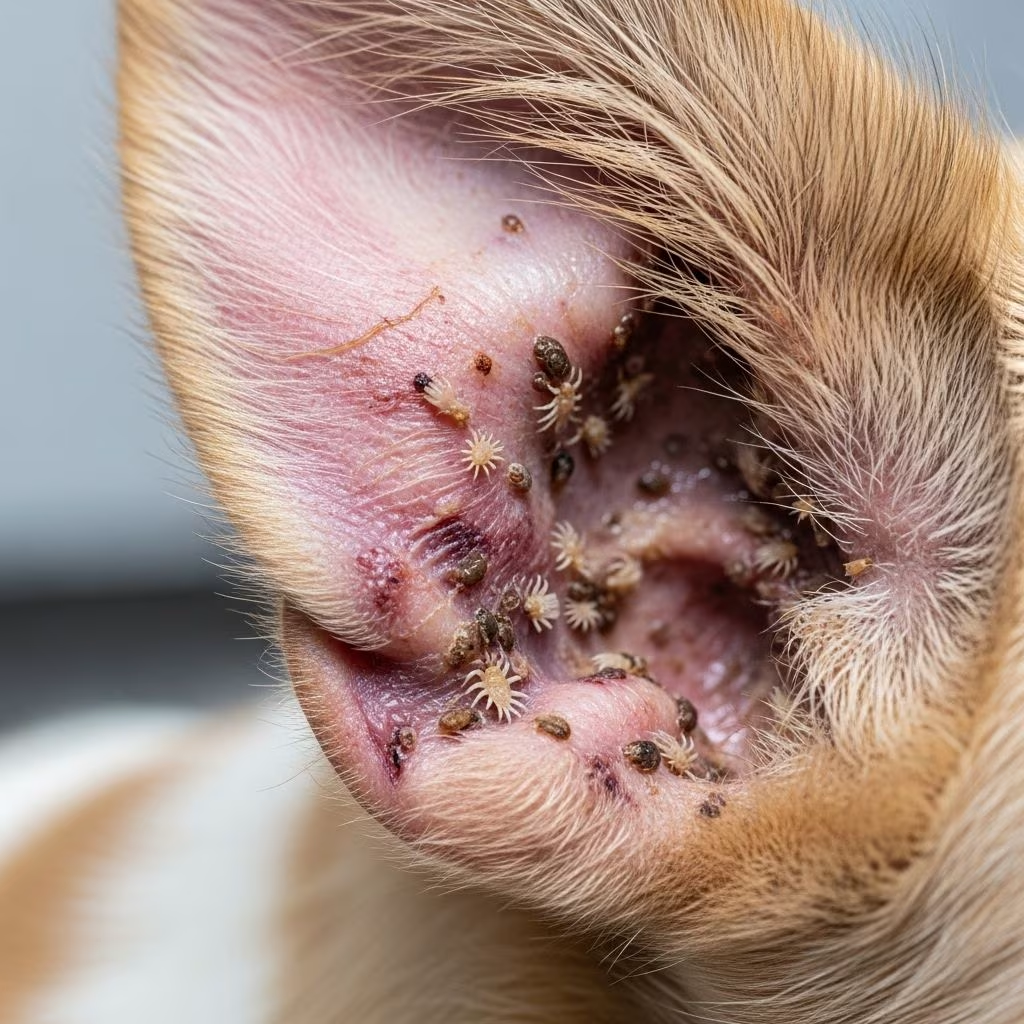
Ear mites are tiny parasites that live in a dog’s ear canals and cause extreme itching, pain, and abnormal discharge. These microscopic organisms are barely visible to the human eye but can cause significant discomfort for your canine companion. Left untreated, ear mites can lead to secondary infections or even hearing loss. While ear mites are not considered a medical emergency, they should be treated promptly due to the considerable discomfort they cause dogs. If you suspect your dog may have ear mites, schedule a veterinary appointment quickly for the right diagnosis and treatment plan.
Understanding Ear Mites
Ear mites are tiny skin parasites that feed on wax and oils in your dog’s ear canals, causing intense irritation and discomfort. These parasites thrive in the warm, moist environment of the ear canal, making dogs’ ears an ideal habitat. Ear mites are extremely contagious and can spread rapidly from one pet to another, which is why treating all household pets simultaneously is crucial when one pet is diagnosed with an infestation.
The scientific name for the most common ear mite affecting dogs is Otodectes cynotis. These parasites can affect dogs of any age but are particularly common in puppies and young dogs. They can also affect other animals such as cats and ferrets, making cross-species transmission a concern in multi-pet households.
Recognizing Symptoms of Ear Mites in Dogs
Identifying ear mites early is essential for prompt treatment and preventing complications. Dogs with ear mite infestations typically display several distinctive signs:
- Intense itching and scratching of the ears
- Excessive head shaking and ear flapping
- Thick brown or black ear discharge that resembles coffee grounds
- Red, inflamed, and swollen ear canals
- Painful and sensitive ears
- Hair loss around the ears and eyes
- A foul or unusual odor coming from the ears
- Ear wax buildup
- Skin issues such as scabs or dermatitis around the ears
- Persistent head shaking and face rubbing
The symptoms of ear mites can be distressing for your dog, causing significant discomfort and affecting their quality of life. Some dogs may develop an aural hematoma (a swollen ear) due to excessive scratching and head shaking. It’s important to note that irritation in your dog’s ear can be caused by various conditions, including allergies, bacterial infections, or yeast infections. Therefore, professional veterinary examination is essential to accurately diagnose ear mites and rule out other potential causes.
Diagnosing Ear Mites
A proper diagnosis from a veterinarian is crucial before beginning treatment. Although ear mites frequently cause ear disease, other conditions can result in similar clinical signs and must be ruled out. Your veterinarian will typically perform a diagnosis through one of two methods:
- Otoscopic examination: The vet examines your dog’s ears directly using an otoscope
- Microscopic examination: The vet collects ear discharge and examines it under a microscope to observe the mites
This process is usually straightforward and non-invasive. However, if your dog’s ears are very sore or if your pet is particularly anxious, sedation may be necessary to allow for proper examination and treatment. Your veterinarian may also recommend an ear cytology test to check for secondary bacterial or yeast infections, which commonly develop alongside ear mite infestations.
Treatment of Ear Mites in Dogs
To treat ear mites in dogs effectively, the ears must be thoroughly cleaned and medicated. A comprehensive treatment plan typically involves several components working together to eliminate the infestation and address any secondary issues.
Ear Cleaning
The first step in treating ear mites involves thorough ear cleaning. Your veterinarian will clean your dog’s ears using a specialized ear cleanser. Common cleansers include Epi-Otic® Advanced, which is routinely used for routine cleaning. However, if your veterinarian diagnosed a secondary bacterial infection, TrizULTRA™+ Keto Flush, an antimicrobial ear cleanser, may be used instead. These cleansers remove debris and discharge from the ear canal, allowing medications to work more effectively. Ear cleansers are typically used once daily until the mites and any infections are completely gone.
Anti-Parasitic Medications
Topical and oral flea, tick, and heartworm preventatives are the main treatment for ear mites. While these products are not directly labeled for use against ear mites, they are highly effective at eliminating the parasites. The use of these medications for ear mites is considered off-label, but many medications in veterinary medicine are prescribed in this way and are safe under the guidance of a veterinarian.
Treatment options include:
- Topical medications: Applied to the dog’s skin between the shoulder blades, these include products like Advantage Multi™ and Bravecto®
- Oral medications: Given by mouth, these systemic treatments work from within the body
- Topical ear medications: Applied directly into the ear canal
A single treatment is typically effective at getting rid of ear mites, making the process relatively straightforward for pet owners. Your veterinarian will determine which treatment option is most suitable based on your dog’s individual condition, age, and health status.
Managing Secondary Infections
Mite infestation often leads to secondary bacterial or yeast (fungal) infections, which need to be addressed with appropriate medications. If your dog has developed a secondary infection, your veterinarian may prescribe topical ointments such as Animax®. These medications are typically applied to the ear canals after cleansing, usually twice daily for approximately one week. Topical and oral steroid medications, such as prednisone, may also be prescribed for dogs experiencing significant pain or itching.
Treatment Duration and Follow-Up
Most commonly, a single course of treatment is all that is needed if the ear cleanings and medications are given continuously and exactly as prescribed by your veterinarian. Dogs typically start feeling better a day or two after starting treatment, providing relief from the intense discomfort. However, it’s important to understand that ear mites can take up to 30 days to be fully eliminated from the dog’s ear canals.
Following treatment, pet parents should bring their dog back to the veterinarian for a repeat ear cytology to confirm that the ear mites are gone. If your dog is still having symptoms or if the ear cytology shows the presence of ear mites or infection, another round of treatment may be prescribed to ensure complete elimination of the parasites.
Prevention and Household Management
Ear mites are extremely contagious, so if one pet in your household is diagnosed with an infestation, all pets must be treated simultaneously. This is critical because ear mites can spread rapidly between animals, and untreated pets can become reinfected or reinfestation sources. Even if other pets in your home do not show symptoms, they may still be carriers of the parasite.
Regular cleaning of bedding, toys, and other items that may have come into contact with affected pets can help reduce the risk of transmission. Additionally, maintaining good hygiene practices and scheduling regular veterinary checkups can help prevent ear mite infestations from occurring in the first place.
Recovery and Management of Ear Mites in Dogs
Most dogs recover well from ear mite infestations when treated appropriately. The recovery timeline depends on how quickly treatment begins and how consistently medications are administered. Dogs typically start feeling better within a day or two of beginning treatment, as the itching and discomfort begin to subside. However, complete elimination of the parasites takes longer.
During the recovery period, continue following your veterinarian’s instructions precisely, even if your dog’s ears seem to be improving. Completing the full course of treatment is essential to prevent recurrence. Avoid interrupting treatment prematurely, as incomplete courses can lead to treatment failure and the need for additional rounds of medication.
Following treatment completion, your veterinarian will schedule a follow-up examination to ensure your dog’s ears have fully healed and that no secondary infections remain. This final check confirms that the infestation has been completely resolved and your dog can return to normal activities without discomfort.
Frequently Asked Questions About Ear Mites in Dogs
Q: Are ear mites a medical emergency?
A: Ear mites are not considered a medical emergency. However, because they cause significant discomfort for dogs, they should be treated soon after diagnosis to prevent secondary infections and complications.
Q: Can ear mites spread to humans?
A: Ear mites that affect dogs primarily target canine and feline ears. While they rarely affect humans, it’s still important to maintain good hygiene when handling an infected pet and to wash your hands regularly.
Q: How long does it take to treat ear mites?
A: While dogs typically feel better within a day or two of starting treatment, complete elimination of ear mites can take up to 30 days. Most dogs require only a single course of treatment if medications are applied as prescribed.
Q: Can I treat ear mites at home without veterinary care?
A: No. Professional veterinary diagnosis is essential to confirm ear mites and rule out other conditions. Misdiagnosing ear mites at home can lead to inappropriate treatment and worsen your dog’s condition. Always consult a veterinarian before beginning any treatment.
Q: Do all pets in my household need treatment?
A: Yes. Ear mites are extremely contagious, so if one pet is diagnosed, all pets in your household should be treated simultaneously to prevent spread and reinfestation.
Q: What should I do if my dog’s symptoms continue after treatment?
A: Contact your veterinarian immediately. If symptoms persist or if repeat ear cytology shows the presence of mites or infection, another round of treatment may be prescribed to ensure complete elimination.
References
- Ear Mites in Cats and Dogs — VCA Animal Hospitals. 2025. https://vcahospitals.com/know-your-pet/ear-mites-otodectes-in-cats-and-dogs
- Ear Mites in Dogs: What Are They and How Do You Treat Them? — PetMD. 2025. https://www.petmd.com/dog/conditions/infectious-parasitic/ear-mites-dogs-what-are-they-and-how-do-you-treat-them
- Ear Mites in Dogs and Puppies — PDSA. 2025. https://www.pdsa.org.uk/pet-help-and-advice/pet-health-hub/conditions/ear-mites-in-dogs-and-puppies
- Dog Ear Mites vs Ear Wax — Broomfield Veterinary Hospital. 2025. https://broomfieldvet.com/blog/dog-ear-mites-vs-ear-wax/
- How Do I Know If My Dog Has Ear Mites? — Brekke Veterinary Clinic. 2025. https://www.brekkevet.com/blog/how-do-i-know-if-my-dog-has-ear-mites.html
- Dog Ear Mites — Virbac. 2025. https://us.virbac.com/home/dog/ear-health/dog-ear-mites.html
- Ear Mites in Dogs — Blue Cross. 2025. https://www.bluecross.org.uk/advice/dog/health-and-injuries/ear-mites-in-dogs



