

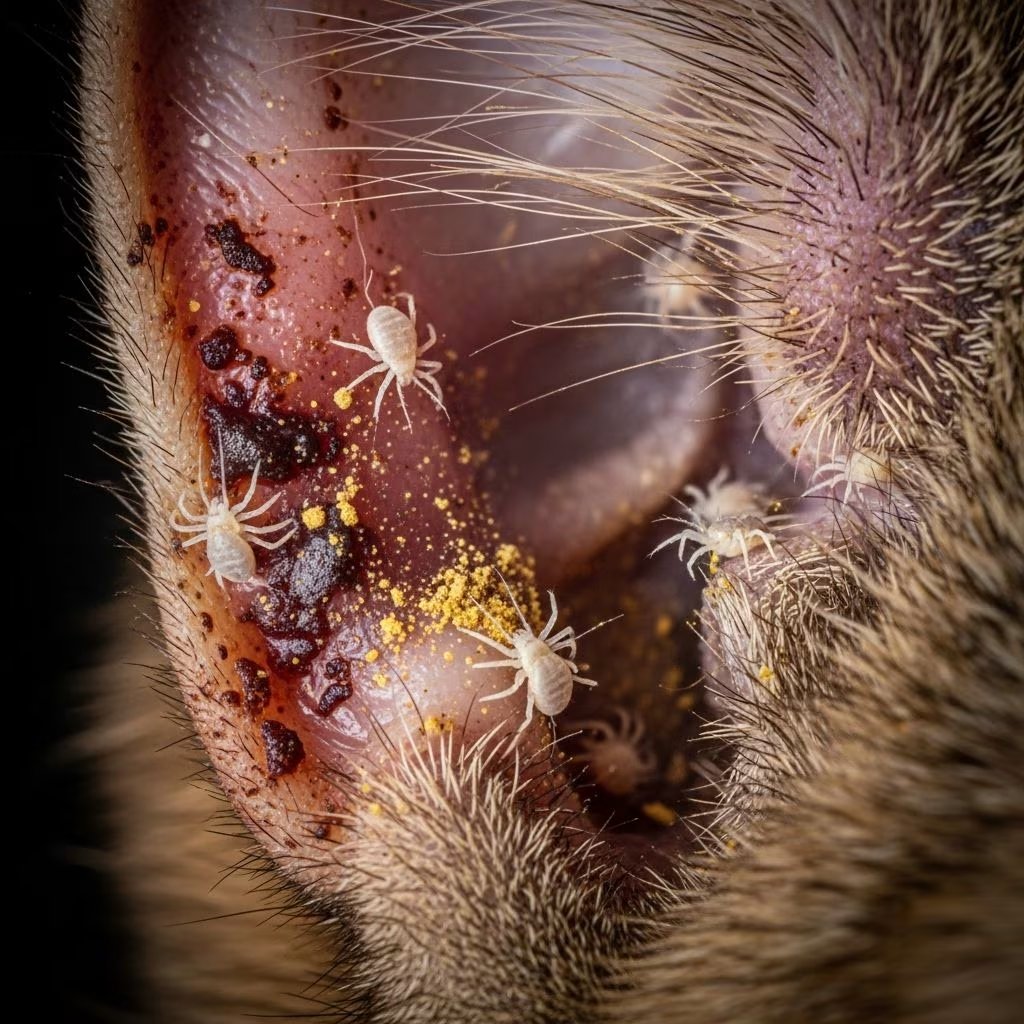
Ear mites represent one of the most prevalent parasitic issues affecting cats, causing significant discomfort if left unaddressed. These tiny arachnids, scientifically known as Otodectes cynotis, thrive in the warm environment of a cat’s ear canal, feeding on ear wax and oils while laying eggs that perpetuate the infestation. Understanding this condition is crucial for cat owners, as early intervention can prevent complications like secondary bacterial infections or chronic ear damage. This guide explores the nature of ear mites, how they manifest, treatment protocols, and proactive measures to safeguard your pet’s well-being.
Understanding the Biology of Ear Mites
Ear mites are highly contagious parasites that primarily target the ears of cats, dogs, and ferrets, though cats are especially susceptible due to their grooming habits and social interactions. Adult mites measure about 0.3 to 0.5 millimeters, making them invisible to the naked eye. Their life cycle spans approximately 21 days, progressing from egg to larva, nymph, and finally adult, during which they multiply rapidly in the ear canal.
Transmission occurs through direct contact with infested animals, contaminated bedding, grooming tools, or environments like shelters where multiple cats congregate. Kittens and young cats from rescue situations are at higher risk, as are outdoor cats mingling with strays. Unlike some parasites, ear mites do not require an intermediate host, allowing swift spread within households housing multiple pets.
Recognizing the Signs of Infestation
Detecting ear mites early hinges on observing behavioral and physical changes in your cat. The most hallmark symptom is a dark, crumbly discharge resembling coffee grounds or black pepper, resulting from mite waste, dried blood, and ear debris. This material accumulates visibly in the ear canal and on the outer ear.
- Intense head shaking or tilting, often accompanied by a puzzled or pained expression.
- Frequent scratching or rubbing of ears against furniture, carpets, or paws, leading to hair loss, redness, or sores around the ears.
- Ear canal inflammation, swelling, or a foul odor indicating possible secondary infection.
- Visible pus or excessive wax buildup in advanced cases.
- Balance issues or walking in circles if the infestation affects the inner ear.
These symptoms can mimic other ear conditions like yeast infections or allergies, underscoring the need for professional veterinary confirmation via microscopic examination of ear swab samples.
Professional Diagnosis: Why Vets Are Essential
Self-diagnosing ear mites can be misleading, as similar symptoms arise from bacterial, fungal, or allergic issues. A veterinarian performs a definitive diagnosis by collecting debris from the ear canal and viewing it under a microscope to identify live mites, eggs, or larvae. This process is quick, typically during a routine exam, and allows for tailored treatment plans.
In multi-pet homes, vets recommend screening all animals, as ear mites spread easily through grooming or shared spaces. Shelter adoptions warrant immediate post-arrival checks to catch infestations early.
Treatment Strategies for Effective Relief
Treatment for ear mites is straightforward and highly effective when initiated promptly under veterinary guidance. The cornerstone is antiparasitic medications, available in topical ear drops, ointments, or systemic forms like spot-on treatments applied to the skin between the shoulder blades.
Common options include:
| Treatment Type | Description | Examples | Application |
|---|---|---|---|
| Topical Ear Drops | Drops placed directly into the cleaned ear canal to kill mites on contact. | Vet-prescribed selamectin or ivermectin-based solutions. | Daily or bi-weekly for 2-3 weeks. |
| Spot-On Preventatives | Absorbed through the skin; kills mites systemically after one dose. | Revolution®, Advantage Multi™. | Applied monthly between shoulder blades. |
| Oral Medications | Tablets or liquids for severe cases or hard-to-treat ears. | Avermectins under vet supervision. | Single or short course dose. |
Prior to medication, vets often clean the ears thoroughly to remove debris, enhancing drug efficacy. If secondary bacterial infections are present—evidenced by pus, severe inflammation, or odor—antibiotics or anti-inflammatory steroids like prednisolone may be added[10]. Treatment duration typically spans 2-4 weeks to cover the full mite life cycle, with follow-up exams ensuring eradication.
Owners must resist over-the-counter remedies, as many are ineffective or toxic to cats, potentially worsening the condition[10].
Potential Complications and When to Seek Urgent Care
Untreated ear mites can escalate, causing aural hematomas (blood-filled swellings in the ear flap from trauma), chronic otitis (middle ear inflammation), or eardrum rupture. Cats with thickened ear canals from repeated scratching may face permanent hearing loss. Seek immediate veterinary attention if symptoms include lethargy, loss of appetite, facial swelling, or neurological signs like uncoordinated movement.
Step-by-Step Home Care During Treatment
Supporting veterinary treatment involves diligent home care:
- Gentle Ear Cleaning: Use vet-approved solutions (never alcohol or hydrogen peroxide, which irritate). Dampen a cotton ball, wipe the outer ear and canal entrance, then massage the ear base for 20-30 seconds to loosen debris. Allow shaking to expel material; repeat as directed.
- Environmental Sanitation: Wash all bedding, toys, and fabrics in hot water. Vacuum carpets and furniture daily to eliminate stray mites.
- Isolation: Separate infested cats from others until cleared by the vet.
- Monitor Progress: Track symptom reduction; report persistent discharge or worsening.
Avoid Q-tips, which can push debris deeper or damage the eardrum.
Prevention Tactics for Long-Term Ear Health
Proactive measures drastically reduce reinfestation risks:
- Monthly flea/tick/heartworm preventatives with ear mite coverage, applied year-round.
- Regular veterinary checkups, including ear exams during routine visits.
- Weekly ear cleanings with gentle, vet-recommended products to prevent wax buildup.
- Thorough cleaning of living areas, kennels, and bedding bi-weekly.
- Keeping cats indoors to minimize contact with strays or wildlife.
- New pet quarantine and vet exams before household integration.
These habits not only target ear mites but bolster overall parasite defense.
FAQs: Common Questions About Ear Mites in Cats
Can humans catch ear mites from cats?
No, ear mites are species-specific and do not infest humans, though temporary itching may occur from contact with debris.
How long do ear mites live off the host?
Mites survive only 2-3 days without a host, emphasizing the importance of environmental cleaning.
Are ear mites painful for cats?
Yes, the irritation causes significant discomfort, prompting excessive scratching and potential self-trauma.
Can I treat ear mites at home without a vet?
Not recommended; improper products can harm cats. Always consult a professional for safe, effective care[10].
How soon do treatments work?
Relief often begins within days, but full clearance requires completing the prescribed course to kill all life stages.
Long-Term Management for At-Risk Cats
Cats with recurrent issues, such as those from shelters or with weakened immunity, benefit from ongoing preventatives and bi-annual ear cytology. Nutritional support with omega-3 fatty acids may reduce inflammation, but discuss with your vet. Fostering good grooming habits indirectly aids prevention by minimizing parasite-friendly debris buildup.
In summary, ear mites, while common, are manageable with vigilance and prompt action. By staying attuned to your cat’s signals and partnering with your veterinarian, you ensure their ears—and quality of life—remain optimal.
References
- Ear Mites in Cats: Causes, Treatment & Prevention — Ferguson Animal Hospital. 2024-05-15. https://www.fergusonanimalhospital.com/site/blog/2024/05/15/ear-mites-cats
- Ear Mites in Cats: Causes, Treatment & Prevention — Snider Veterinary Services. 2023-09-30. https://www.sniderveterinaryservices.com/site/blog/2023/09/30/ear-mites-cats–causes-treatment-prevention
- Ear Mites in Cats: Causes, Treatment & Prevention — Animal Hospital of Redondo Beach. 2024-05-15. https://www.ahorb.com/site/blog/2024/05/15/ear-mites-cats
- Ear Mites in Cats — PetMD. Recent (post-2023). https://www.petmd.com/cat/conditions/infectious-parasitic/ear-mites-cats
- Ear Mites in Cats: Causes, Treatment, & Prevention — PetVet. 2023-07-31. https://www.petvet.vet/site/blog/2023/07/31/ear-mites-cats
- What to Know About Ear Mites in Cats — Vetster. Recent (post-2023). https://vetster.com/en/wellness/what-to-know-about-ear-mites-in-cats



