

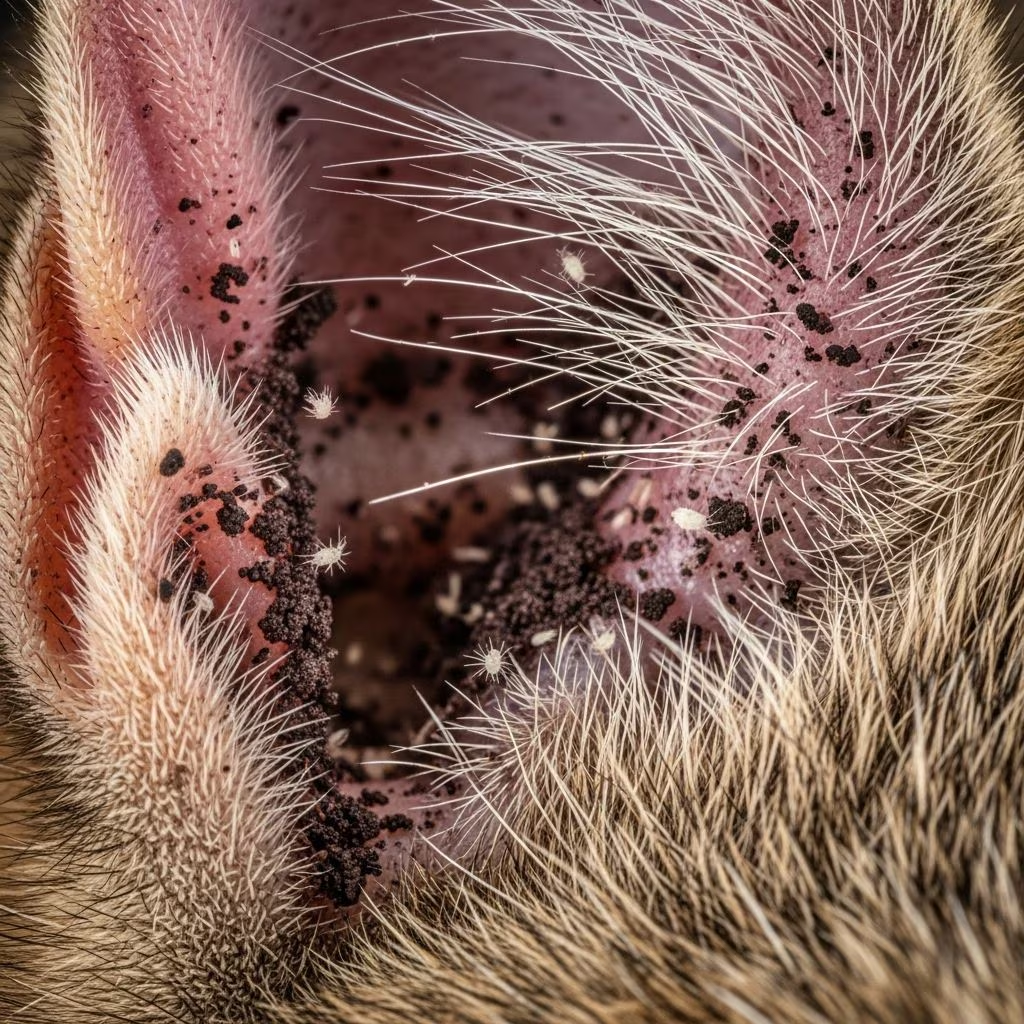
Ear mites represent one of the most common parasitic concerns affecting feline companions, particularly those with outdoor access or recent shelter adoption histories. These microscopic parasites establish themselves in the ear canal and surrounding skin, creating uncomfortable conditions that can significantly impact your cat’s quality of life. Understanding the nature of this infestation, recognizing its telltale signs, and knowing how to address it effectively are essential components of responsible pet ownership.
What Are Ear Mites and How Do They Affect Cats?
Ear mites are tiny parasitic arthropods that thrive in the warm, moist environment of a cat’s ear canal. These creatures feed on skin cells and ear wax, creating irritation and discomfort. The parasites reproduce rapidly within the ear, with their complete life cycle spanning approximately 21 days. This relatively short reproductive cycle means that infestations can escalate quickly without proper intervention. Cats with outdoor access or those living in multi-pet households face elevated exposure risks, as the parasites spread readily through direct contact between animals.
The transmission occurs through close physical contact, making newly adopted shelter cats particularly vulnerable since they may have already been exposed to infected animals in crowded shelter environments. Understanding this transmission pattern helps pet owners take appropriate precautions when introducing new feline companions to their households.
Recognizing the Clinical Indicators of Ear Mite Infestation
The symptoms of ear mite infection manifest in several observable ways that should prompt immediate veterinary consultation. Recognizing these signs early enables faster treatment and prevents the condition from becoming severe.
- Behavioral changes: Excessive scratching at the ears, head shaking, and reluctance to accept head petting represent the most common behavioral manifestations.
- Physical symptoms: Hair loss or irritation around the ears and face, often resulting from intense scratching, becomes visible upon close inspection.
- Ear discharge: A distinctive dark, crusty, or waxy discharge resembling coffee grounds accumulates in the ear canal.
- Structural changes: Redness and inflammation within the ear canal, accompanied by crusty ear margins, indicates active parasitic activity.
- Sensory indicators: A musty or foul odor emanating from the ears distinguishes mite infestations from other ear conditions.
- Postural adjustments: Head tilting and holding ears down against the head reflect the discomfort and pain associated with infestation.
- Systemic effects: In severe cases, decreased appetite and lethargy may occur, indicating that the parasitic burden has affected the cat’s overall well-being.
These symptoms can overlap with bacterial or fungal ear infections, making professional veterinary diagnosis essential for appropriate treatment selection.
The Diagnostic Process and Professional Assessment
Proper diagnosis requires veterinary expertise to distinguish ear mite infestations from other ear conditions. During examination, your veterinarian will inspect the ear canal using specialized equipment and may collect samples for microscopic analysis. This diagnostic confirmation is critical because it ensures that treatment targets the specific problem rather than applying unnecessary medications based on assumption. Once ear mites are confirmed, your veterinarian will recommend the most appropriate therapeutic approach based on your individual cat’s health status and the infestation severity.
Treatment Approaches for Feline Ear Mite Infections
Modern veterinary medicine offers several effective treatment modalities for eliminating ear mite infestations. The approach selected depends on the specific characteristics of each case, including infestation severity and the presence of secondary infections.
Initial Ear Cleaning and Preparation
Treatment typically begins with thorough ear cleaning to remove accumulated wax, debris, and discharge that may protect parasites from topical medications. Veterinarians use specialized cleaning solutions designed specifically for feline ears, gently removing the material that creates a protective barrier around the mites. This preparatory step significantly improves the effectiveness of subsequent antiparasitic treatments.
Antiparasitic Medications
Veterinarians prescribe antiparasitic medications in multiple delivery formats, allowing flexibility based on your cat’s temperament and treatment preferences:
- Topical drops: These medications are applied directly into the ear canal and work by killing mites on contact.
- Oral medications: Systemic antiparasitic drugs taken by mouth provide whole-body parasitic control.
- Broad-spectrum preventatives: Many modern flea and tick prevention products simultaneously control ear mites, with Revolution® and Advantage Multi™ serving as common examples that can kill mites after a single application.
Most of these medications, such as ivermectin, demonstrate high efficacy rates. Your veterinarian will determine which option best suits your cat’s specific situation and may recommend returning for follow-up evaluation within one to two weeks to confirm that the infestation has been completely eliminated.
Managing Secondary Complications
Ear mite infestations frequently trigger secondary bacterial infections resulting from scratching damage and the inflammatory response. Your veterinarian will examine the ears for signs of bacterial involvement and prescribe topical antibiotic ointments or oral antibiotics as needed. In cases where significant inflammation has developed, topical or oral steroids such as prednisolone may be incorporated to reduce discomfort and facilitate healing.
Household and Multi-Pet Considerations
Because ear mites spread readily through direct contact, all pets in the household require veterinary evaluation and treatment, even those without obvious symptoms. A single untreated animal can perpetuate the infestation cycle, requiring repeated treatments for symptomatic pets. Your veterinarian may recommend preventative medication for asymptomatic household members to break the transmission chain.
Why Home Remedies Are Insufficient
While some home remedies can kill adult mites, they typically fail to eliminate mite eggs, allowing the infestation to resurface once eggs hatch and mature. This delayed recurrence can create frustration and requires eventual professional intervention anyway. The most prudent approach involves seeking veterinary care from the outset, ensuring complete elimination of both adults and developmental stages.
Comprehensive Prevention Strategies
Preventing ear mite infestations proves far more effective and cost-efficient than treating established infections. A multi-faceted prevention approach addresses the various transmission pathways and environmental factors that support parasite survival.
Routine Veterinary Monitoring
Scheduling monthly or quarterly veterinary checkups that include ear examination forms the foundation of prevention strategies. During these visits, your veterinarian can identify early signs of infestation before significant symptoms develop and performs professional ear cleaning that removes debris where mites might establish themselves. This proactive monitoring catches problems at their earliest, most treatable stages.
Home Ear Cleaning Protocols
Between veterinary visits, gentle at-home ear cleaning reduces the buildup of wax and debris that creates a favorable environment for parasites. Using a clean cotton ball moistened with alcohol, gently massage the base of your cat’s ear for 20 to 30 seconds to distribute the solution, then use another cotton ball or gauze to remove debris. Importantly, never insert alcohol or cleaning solutions directly into the ear canal, as this can damage sensitive internal structures. This gentle external cleaning protects ear health without risking damage.
Environmental Hygiene
Regular cleaning of your cat’s bedding, kennel, and living spaces eliminates stray mites that may survive outside the host animal. Bi-weekly or weekly cleaning of these areas significantly reduces the risk of environmental transmission and reinfection. This environmental approach complements medical prevention by removing parasites that might otherwise establish new infestations.
Parasite Prevention Products
Year-round application of veterinarian-recommended topical flea, tick, and heartworm preventatives provides concurrent ear mite protection. These broad-spectrum products kill ear mites as an added benefit while addressing other parasitic threats. Consistency with monthly applications throughout the year maintains continuous protection against multiple parasites simultaneously.
Exposure Management
Limiting contact with potentially infested animals significantly reduces infestation risk. Keeping cats indoors, particularly during seasons of increased parasite activity, minimizes exposure opportunities. When introducing new cats to your household, quarantine them briefly and schedule an immediate veterinary examination to identify any parasitic infections before they spread to established pets.
Frequently Asked Questions About Feline Ear Mites
How quickly do ear mites multiply?
The complete ear mite life cycle spans approximately 21 days, meaning infestations can rapidly expand without intervention. This relatively short reproductive timeline emphasizes the importance of prompt treatment once diagnosis occurs.
Can humans contract ear mites from cats?
Ear mites are species-specific parasites that primarily affect animals. While rare cross-species transmission to humans has been documented, it remains extremely uncommon and typically resolves without treatment.
Are ear mites contagious between cats and dogs?
Although some ear mite species can affect both cats and dogs, feline ear mites primarily establish in feline hosts. However, all household pets should be examined during treatment to ensure comprehensive parasite control.
What is the typical treatment duration?
Treatment duration varies based on the medication selected and infestation severity. Your veterinarian will provide specific guidance and typically recommend follow-up evaluation within one to two weeks.
Will my cat’s symptoms disappear immediately after treatment begins?
While medications begin killing mites immediately, symptom resolution takes several days to weeks as inflammation subsides and skin repair progresses. Patience during the healing phase remains important for complete recovery.
Long-Term Ear Health Management
Beyond initial treatment and prevention, maintaining long-term ear health requires ongoing vigilance. Continue with scheduled veterinary checkups, maintain consistent parasite prevention product applications, and perform gentle at-home ear cleaning as recommended by your veterinarian. These sustained practices prevent reinfestation and allow early identification of any emerging ear problems before they become serious conditions.
Understanding ear mites in cats empowers pet owners to recognize symptoms early, seek appropriate treatment promptly, and implement prevention strategies that protect their feline companions from this common parasitic threat. By combining professional veterinary care with consistent home management practices, you can ensure your cat maintains healthy, comfortable ears throughout their lifetime.
References
- Ear Mites in Cats: Causes, Treatment & Prevention — Ferguson Animal Hospital. 2024-05-15. https://www.fergusonanimalhospital.com/site/blog/2024/05/15/ear-mites-cats
- Ear Mites in Cats: Causes, Treatment, & Prevention — PetVet. 2023-07-31. https://www.petvet.vet/site/blog/2023/07/31/ear-mites-cats
- Ear Mites in Cats: Causes, Treatment & Prevention — PetDoctorX. 2023-01-15. https://www.petdoctorx.com/site/blog/2023/01/15/ear-mites-in-cats-causes-treatment–prevention
- Ear Mites in Cats: Causes, Treatment & Prevention — Riveroak Veterinary Hospital. 2022-04-30. https://www.riveroakvet.com/site/blog/2022/04/30/ear-mites-cats-causes-prevention
- Ear Mites in Cats: Causes, Signs, and Treatment — Lebanon Bench Animal Hospital. 2024. https://lbah.com/feline/ear-mites/
- Ear Mites in Cats — PetMD. 2024. https://www.petmd.com/cat/conditions/infectious-parasitic/ear-mites-cats
- Ear Mites: Tiny Critters that can Pose a Major Threat — Cornell Feline Health Center, College of Veterinary Medicine, Cornell University. 2024. https://www.vet.cornell.edu/departments-centers-and-institutes/cornell-feline-health-center/health-information/feline-health-topics/ear-mites-tiny-critters-can-pose-major-threat



