

Ear Mites in Cats: A Complete Guide
Ear mites are tiny parasites that infest the ear canals and surrounding skin of cats, causing significant discomfort and itching. These microscopic creatures are among the most common parasitic infections in felines, particularly affecting kittens and outdoor cats. Understanding what ear mites are, how they spread, and what treatment options are available is essential for any cat owner concerned about their pet’s health and wellbeing.
Unlike many other ear conditions that may resolve on their own, ear mite infections require prompt veterinary attention and prescription medication to eliminate completely. Left untreated, these parasites can lead to serious complications including secondary infections, hearing loss, and permanent ear damage.
What Are Ear Mites?
Ear mites are parasitic arachnids that thrive in the warm, moist environment of a cat’s ear canal. These tiny organisms feed on the skin cells and cerumen (ear wax) within the ear, causing inflammation and irritation. While invisible to the naked eye, the damage they cause is readily apparent through a cat’s behavior and physical symptoms.
These parasites have a life cycle of approximately three weeks, which is important information for understanding treatment duration. During their lifecycle, ear mites progress through multiple stages, and effective treatment must account for all developmental stages to prevent reinfestation.
How Cats Contract Ear Mites
Ear mites spread through direct contact with infected animals, making them highly contagious parasites. Cats can contract ear mites from:
– Other infected cats- Infected dogs or other household pets- Wild animals they encounter outdoors- Contaminated bedding or grooming tools
Kittens and outdoor cats face the highest risk of contracting ear mites due to their increased exposure to environments where mites are prevalent and their tendency to engage in close contact with other animals. In multi-pet households, if one animal develops an ear mite infection, the parasites can easily spread to other pets within the home, making household-wide treatment necessary.
Symptoms of Ear Mites in Cats
Recognizing the signs of ear mite infestation is crucial for early detection and treatment. Cat owners should watch for the following symptoms:
Common Signs Include:
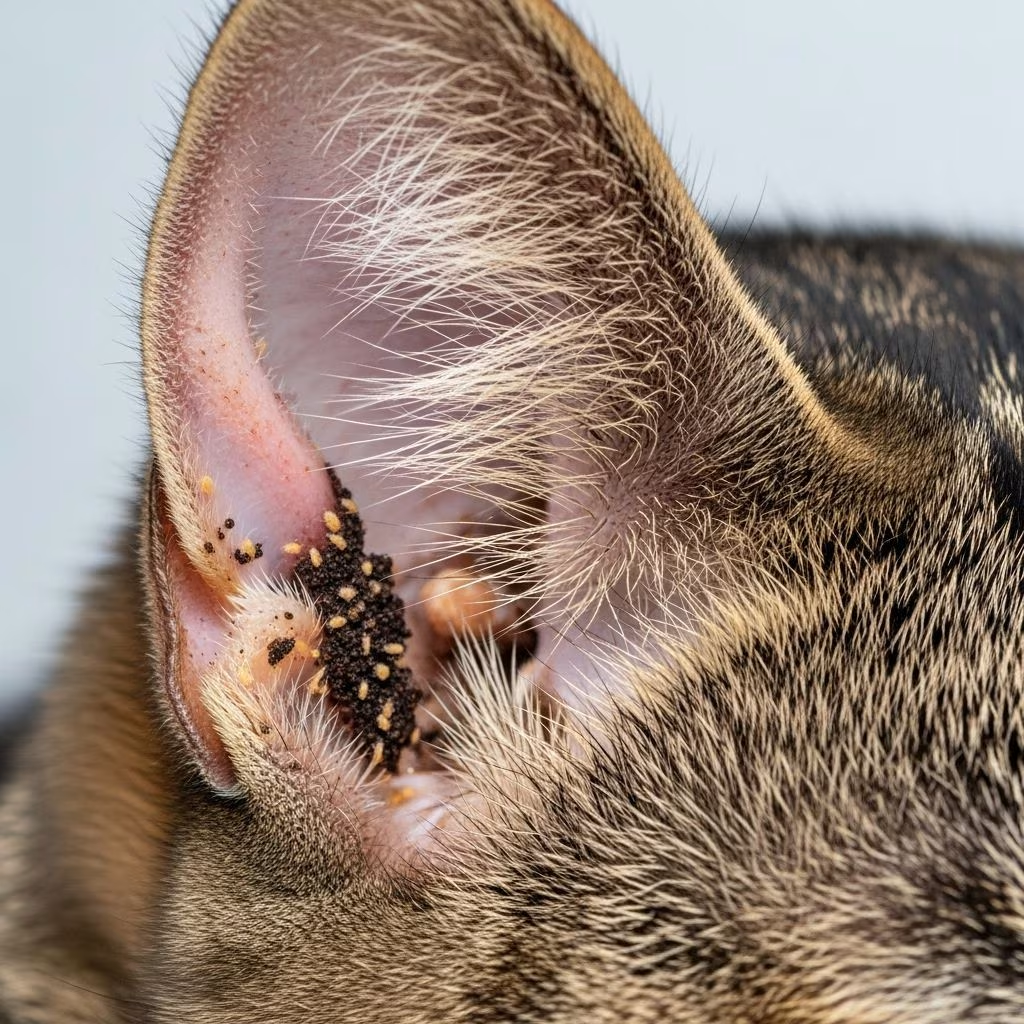
– Excessive scratching: Constant scratching at the ears and head is the most noticeable symptom- Head shaking: Frequent, vigorous head movements indicating ear discomfort- Dark, waxy debris: Dark brown or black wax-like buildup in the ear canal that resembles coffee grounds- Redness and inflammation: Red, irritated skin inside and around the ears from constant scratching- Head tilting or imbalance: In severe cases, cats may tilt their head or show signs of imbalance due to inner ear involvement- Restlessness or irritability: Infected cats often become more irritable and restless due to persistent itching and discomfort- Foul odor: An unpleasant smell emanating from the affected ears- Scabs or sores: Secondary skin damage from excessive scratching
If you notice any of these symptoms, schedule a veterinary appointment promptly for proper diagnosis and treatment.
Diagnosis of Ear Mites
Veterinarians employ several diagnostic methods to confirm ear mite infections and differentiate them from other ear conditions that present similar symptoms:
Diagnostic Methods:
Otoscope Examination: Using an otoscope, veterinarians can directly visualize the ear canal and spot the tiny white mites moving slowly among the dark waxy debris. This examination often provides definitive diagnosis.
Microscopic Examination: Ear debris collected during examination is placed on a microscope slide for detailed analysis, confirming the presence of mites and their developmental stages.
Skin Scrapings: In some cases, veterinarians may perform skin scrapings from around the ears to check for mites living on the skin surface rather than solely within the ear canal.
A proper veterinary diagnosis ensures your cat receives appropriate and effective treatment, as other conditions like bacterial infections, yeast infections, or allergies can produce similar symptoms.
Treatment Options for Ear Mites
Ear mite infections in cats are treatable with prescription medications. The typical treatment course lasts six to eight weeks because ear mites have a three-week life cycle, requiring treatment for at least two complete cycles to eliminate any newly hatched mites.
Treatment Process:
Professional Ear Cleaning: Before medication administration, veterinarians thoroughly clean the ear canal to remove debris, cerumen buildup, and mites. This cleaning step is essential for ensuring medications can work effectively and reduces immediate discomfort.
Medication Options: Veterinarians may prescribe medications in several forms:
– Oral medications (administered by mouth)- Topical solutions applied directly to the ear- Topical treatments applied to the skin monthly- Injectable medications for comprehensive parasite control
Common prescription medications include Ivermectin, milbemycin, and topical solutions such as Revolution (United States) or Stronghold (United Kingdom). These medications kill ear mites and are typically administered for the full treatment period even after symptoms resolve.
Secondary Infection Treatment: If bacterial or yeast infections develop secondary to the mite infestation, veterinarians may prescribe antibiotic or antifungal ear drops to address these complications.
Treating Household Pets: Even if other household pets show no symptoms of ear mites, they should receive treatment as well, since ear mites are highly contagious and often asymptomatic carriers exist.
It is crucial to follow your veterinarian’s instructions precisely regarding dosage, application frequency, and treatment duration. Discontinuing treatment prematurely, even when symptoms improve, may result in incomplete elimination of mites and recurrent infection.
Timeline for Elimination
Understanding the treatment timeline helps set realistic expectations. While prescription medications begin killing mites within days, complete elimination takes longer:
– Days 1-3: Medications begin working against adult mites- Days 3-10: Noticeable reduction in mite population and symptom improvement- Weeks 2-8: Complete elimination of mites through two full life cycles
Unfortunately, no treatment kills ear mites instantly. The safest prescription options require several days to weeks for complete effectiveness, which is why extended treatment courses are necessary.
Complications from Untreated Ear Mites
Delaying treatment or leaving ear mite infections untreated can lead to serious health complications:
Chronic Ear Infections: Persistent ear mites can result in secondary bacterial or yeast infections that are difficult to treat and may become chronic.
Ear Hematomas: Constant scratching can cause blood vessels in the ear flap to rupture, leading to painful fluid-filled swelling that may require surgical intervention.
Hearing Loss: Severe infestations can damage the ear canal structure and middle ear components, potentially causing partial or total hearing loss.
Ruptured Eardrum: Without proper treatment, ear mites can damage the eardrum, leading to long-term ear problems and inner ear infections.
Inner Ear Infection: Ear mites in the external canal can ultimately cause problems in the inner ear and increase the risk of bacterial infection.
Prompt treatment prevents these serious complications from developing and preserves your cat’s hearing and comfort.
Prevention Strategies
Preventing ear mite infestations is significantly easier than treating established infections. Implement these preventive measures:
Regular Ear Cleaning:
Routine ear cleaning is one of the most effective prevention methods. Regular cleaning reduces the chances of ear mite infestations by removing debris and maintaining healthy ear environments. Use vet-approved ear cleaning wipes or solutions designed for cats, following your veterinarian’s recommendations for frequency and technique.
Limit Exposure:
If your cat comes into contact with other animals, especially outdoor or stray cats, inspect their ears regularly for signs of mite infestation. Limiting exposure to potentially infected animals reduces transmission risk significantly.
Routine Veterinary Checkups:
Regular veterinary visits allow early detection of ear mites before they become widespread infections. During routine exams, veterinarians can spot early signs of infestation and recommend preventive treatment.
Preventive Medications:
Monthly flea and tick preventatives often include ear mite coverage. Products like Revolution Plus and Advantage Multi provide comprehensive parasite protection including ear mites, and year-round use is recommended for cats with any outdoor exposure.
Household Management:
– Wash bedding regularly in hot water- Disinfect grooming tools- Treat all household pets preventively- Maintain clean living environments
Frequently Asked Questions
Q: How can I check for ear mites at home?
A: Look for dark, waxy debris resembling coffee grounds in your cat’s ears, observe frequent scratching and head shaking, and note any redness or inflammation. However, definitive diagnosis requires veterinary examination with an otoscope.
Q: What kills ear mites instantly?
A: Unfortunately, no treatments kill ear mites instantly. Prescription medications like Ivermectin and milbemycin require several days to start working and seven to ten days for complete effectiveness.
Q: Can ear mites spread to humans?
A: Cat ear mites primarily affect cats and other animals but rarely affect humans. They are species-specific parasites, though good hygiene practices are still recommended.
Q: Will ear mites go away on their own?
A: No, ear mite infections in cats will not resolve without treatment. Once established, they multiply rapidly and require prescription medication for elimination.
Q: How long does ear mite treatment take?
A: Typical treatment courses last six to eight weeks because ear mites have a three-week life cycle, requiring treatment through two complete cycles.
Q: Are there home remedies for ear mites?
A: No safe or effective at-home treatments exist for ear mites in cats. Professional veterinary treatment with prescription medications is necessary for successful elimination.
Q: Can indoor cats get ear mites?
A: Yes, indoor cats can contract ear mites, particularly if they have contact with infected animals or contaminated objects. However, indoor cats have lower risk than outdoor cats.
References
- Ear Mites in Cats: How to Treat and Prevent Infestations — Petful. 2025. https://www.petful.com/pet-health/ear-mites-in-cats/
- How To Get Rid of Ear Mites in Cats — Chewy. 2025. https://www.chewy.com/education/cat/health-and-wellness/how-to-treat-ear-mites-in-cats
- How to Get Rid of Ear Mites in Cats — Pet Parents. 2025. https://petparentsbrand.com/blogs/health/how-to-get-rid-of-ear-mites-in-cats
- 8 Common Ear Problems in Cats — PetMD. 2025. https://www.petmd.com/cat/slideshows/8-common-ear-problems-cats
- Cat Ear Infections — PetMD. 2025. https://www.petmd.com/cat/conditions/ears/cat-ear-infections
- Inner Ear Infection (Otitis Interna) in Cats — VCA Animal Hospitals. 2025. https://vcahospitals.com/know-your-pet/inner-ear-infection-otitis-interna-in-cats



