

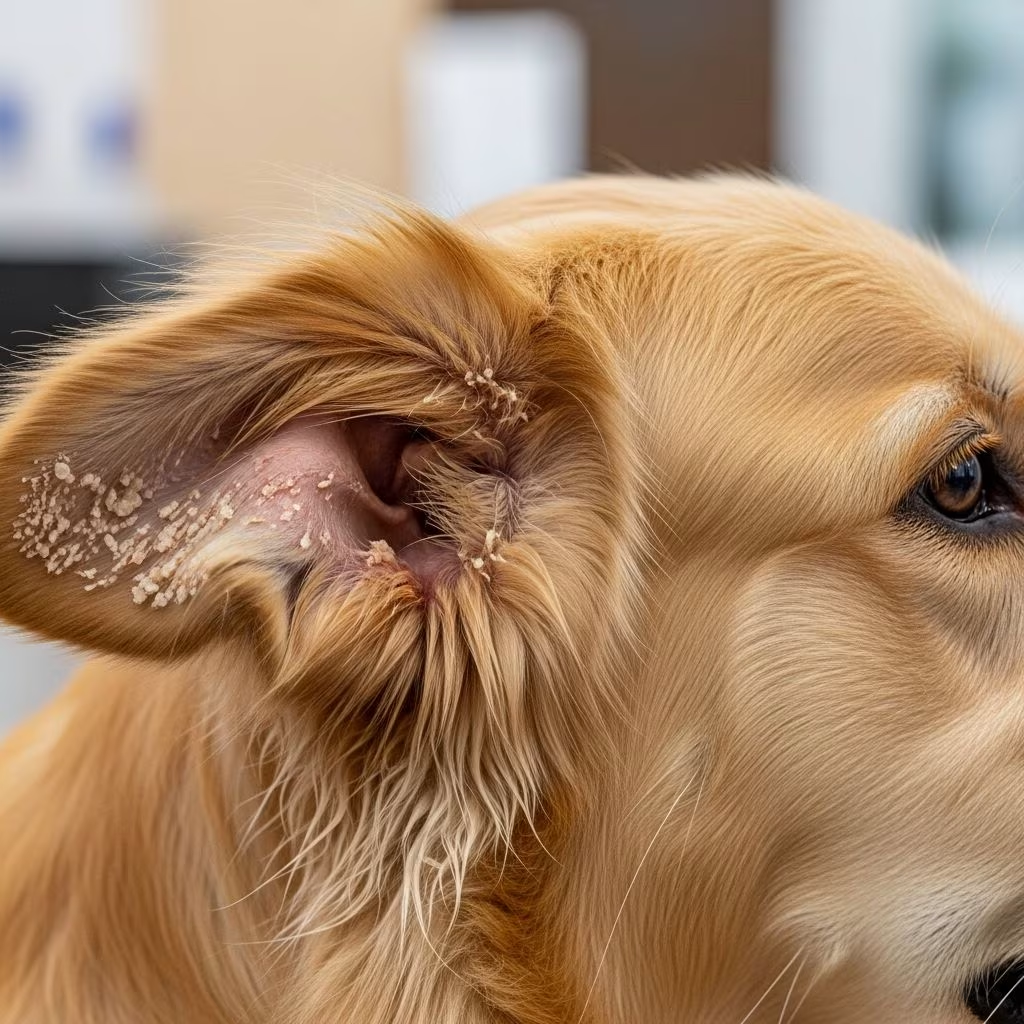
Ear margin seborrhea represents a persistent dermatological challenge affecting the external ear structures in canine patients. This condition involves abnormal keratinization and sebaceous gland activity localized to the ear margins, resulting in characteristic clinical manifestations that require ongoing management. Unlike many acute skin conditions that resolve with treatment, ear margin seborrhea demands a comprehensive, long-term approach to symptom control and quality-of-life maintenance.
Recognizing the Characteristic Presentation
Dogs presenting with ear margin seborrhea display distinctive clinical features that veterinarians and observant owners can identify. The condition manifests through visible changes to the ear structure and associated discomfort levels that vary among affected individuals.
Physical Signs and Lesion Development
The primary hallmark of this condition involves the accumulation of kerato-sebaceous material that adheres firmly to the skin surface and hair shafts along both the concave and convex margins of the pinnae. This material forms what clinicians refer to as follicular casts, which create a characteristic appearance when examined closely. The affected hairs display remarkable fragility, often epilating with minimal mechanical pressure during examination or routine grooming. As the condition progresses chronically without appropriate management, affected dogs frequently develop alopecia in the involved areas, resulting in partial or complete hair loss along the ear margins.
In cases where the disease has persisted for extended periods without adequate control, progression to more severe presentations occurs. Fissuring of the skin becomes evident, characterized by linear cracks and breaks in skin integrity. These fissures frequently cause pain and discomfort, particularly when dogs shake their heads, as movement exacerbates tissue trauma and often precipitates bleeding from the affected sites.
Associated Clinical Symptoms
Interestingly, pruritus or itching is notably absent in most cases of primary ear margin seborrhea, distinguishing this condition from other inflammatory ear diseases. This absence of itching can sometimes lead to delayed recognition, as owners may not perceive obvious discomfort from their pets. However, when pain develops due to fissuring and tissue damage, behavioral changes become apparent, particularly during head shaking episodes.
Understanding the Underlying Pathophysiology
Ear margin seborrhea belongs to the category of idiopathic keratinization disorders, indicating that the precise etiology remains unknown despite extensive clinical investigation. The condition involves dysregulation of normal keratinization processes and sebaceous gland function specific to the ear margin region.
An important clinical distinction exists regarding inflammation. Primary idiopathic ear margin seborrhea occurs without associated clinical inflammation. Therefore, when inflammation becomes evident during examination, veterinarians should maintain high suspicion for underlying systemic conditions, particularly vasculitis or other immunologic diseases that may be complicating the presentation.
Diagnostic Approach and Differential Considerations
Establishing a diagnosis of ear margin seborrhea requires careful evaluation and systematic elimination of alternative conditions. The clinical appearance combined with patient history typically guides the diagnostic process, though several conditions may present similarly.
Key Differential Diagnoses
Several conditions must be considered and ruled out before confirming ear margin seborrhea diagnosis:
- Parasitic infestations, particularly scabies, which may present with ear edge involvement and crusting
- Hypothyroidism, which can manifest with secondary skin changes including seborrhea
- Light-responsive alopecia, showing seasonal patterns of hair loss
- Atopic dermatitis and other allergic conditions affecting ear margins
- Ear edge vasculitis, characterized by vascular inflammation of the ear structures
- Frostbite and cold-related injury, particularly in dogs with outdoor exposure
- Pemphigus foliaceus, an autoimmune condition affecting the skin
- Fly strike or insect-related trauma
A comprehensive diagnostic workup should address these possibilities through appropriate testing, including parasitic examinations, thyroid function assessment, and consideration of environmental and dietary factors.
Treatment Strategies and Management Protocols
Managing ear margin seborrhea requires acknowledging a fundamental reality: this condition cannot be cured and represents a lifelong disease requiring ongoing therapeutic intervention. However, with appropriate management strategies, most cases remain well-controlled, and affected dogs maintain excellent quality of life.
Topical Therapeutic Approaches
Topical therapy forms the cornerstone of initial and ongoing management for most cases. Antiseborrheic agents represent the primary class of topical medications employed in treatment protocols. These agents work through multiple mechanisms to address the underlying keratinization disorder and reduce sebaceous material accumulation.
Effective antiseborrheic agents include:
- Benzoyl peroxide, which provides keratolytic action and antimicrobial benefits
- Coal tar, a traditional agent with proven efficacy in seborrheic conditions
- Sulfur preparations, offering both keratolytic and antimicrobial properties
- Salicylic acid, providing gentle exfoliation of keratinous material
Application frequency varies considerably based on individual disease severity and response to therapy. Some cases respond to weekly applications, while others require daily treatment to maintain adequate control. Treatment regimens should be tailored to each patient’s specific presentation and the owner’s ability to maintain consistent therapy.
Systemic Medication Considerations
When topical therapy alone proves insufficient to control symptoms, particularly in cases with significant inflammation or pain, systemic medications may be indicated. Topical glucocorticoid creams applied directly to affected areas can reduce localized inflammation, though systemic glucocorticoid therapy using prednisone at doses of approximately 1.1 milligrams per kilogram of body weight daily may be necessary in severe presentations.
Pentoxifylline represents an alternative systemic option with favorable safety characteristics. Administered at doses ranging from 15 to 20 milligrams per kilogram three times daily for four to eight weeks, this medication improves local tissue oxygenation and provides anti-inflammatory benefits. Its excellent safety profile makes it an attractive option for extended therapy.
Surgical Intervention in Refractory Cases
Some dogs experience inadequate response to medical therapy despite appropriate topical and systemic treatment implementation. In these refractory cases, owners may consider surgical removal of affected tissues. This procedure involves excision of diseased ear margin tissue with extension well into normal pinnae to reduce recurrence likelihood. However, several important considerations apply to surgical management:
- Complete differential diagnosis evaluation must precede consideration of surgery to exclude underlying systemic conditions
- Owner education regarding lesion recurrence is essential, as surgery addresses tissue removal rather than underlying etiology
- If disease results from autoimmune processes or vasculitis, surgical intervention will not provide lasting benefit
- Surgical success depends on appropriate tissue removal extent and proper case selection
Environmental Management and Lifestyle Modifications
Beyond pharmaceutical interventions, environmental factors significantly influence disease severity and control. Dry heat exposure from forced-air heating systems, wood stoves, and similar heat sources can exacerbate the condition. Dogs with ear margin seborrhea should be discouraged from sleeping in proximity to such devices, particularly during winter months when heating systems operate continuously.
Maintaining appropriate environmental humidity and avoiding excessive heat exposure helps minimize disease flare-ups. Regular home environment assessment for heat sources and modification of sleeping arrangements contributes meaningfully to overall disease management.
Long-Term Management Expectations
Successful management of ear margin seborrhea depends on understanding and accepting that this represents a chronic, non-curable condition requiring lifetime therapeutic commitment. Dogs with well-managed disease typically maintain normal quality of life and experience minimal to moderate clinical signs.
Establishing a Management Routine
Owners must develop consistent treatment protocols that fit within their lifestyle while maintaining disease control. Medication application frequency established by the veterinarian should be followed reliably, with adjustments made based on clinical response and disease control adequacy.
Regular veterinary reassessment intervals, typically ranging from several weeks to a few months depending on initial response, allow for protocol adjustments and early identification of complications such as secondary infections. As dogs respond to treatment, maintenance frequencies may be reduced, though most cases require ongoing regular therapy indefinitely.
Monitoring for Complications
While ear margin seborrhea itself represents a non-pruritic condition in primary presentations, secondary complications may develop. Owners should remain alert for signs of bacterial or yeast infections, which may develop in areas of compromised skin integrity. Development of unexpected pruritus or behavioral changes warrants veterinary evaluation to identify potential complications.
Frequently Asked Questions
Can ear margin seborrhea be completely cured?
No. This condition represents an idiopathic keratinization disorder that cannot be cured. However, with appropriate management strategies, the condition remains well-controlled in most cases, allowing dogs to maintain normal quality of life. Treatment focuses on symptom control and disease management rather than cure.
Why is my dog’s ear condition getting worse despite treatment?
Several factors may contribute to inadequate response. Environmental heat exposure from heating systems may exacerbate the condition. Additionally, underlying conditions such as vasculitis or autoimmune disease may be complicating the primary presentation and require specific identification and treatment. Veterinary reassessment with comprehensive evaluation is recommended.
How often will my dog need treatment?
Treatment frequency varies considerably. Some dogs respond well to weekly topical therapy application, while others require daily treatment during initial management phases. As control improves, frequency may be reduced. Most dogs require ongoing maintenance therapy indefinitely, though specific schedules should be established by the treating veterinarian based on individual response.
Are there nutritional approaches to ear margin seborrhea?
While ear margin seborrhea differs from nutritional seborrhea, maintaining optimal nutrition supports skin health. General principles of healthy, well-balanced nutrition benefit overall skin condition, though no specific nutritional supplementation definitively treats idiopathic ear margin seborrhea.
Conclusion and Practical Recommendations
Ear margin seborrhea in dogs represents a manageable chronic condition that, while incurable, responds well to appropriate therapeutic protocols. Success requires owner understanding of the chronic nature, commitment to consistent treatment implementation, and regular veterinary collaboration. By employing topical antiseborrheic therapy as the foundation, considering systemic medications when indicated, and incorporating environmental modifications, affected dogs enjoy normal lifespan and quality of life with minimal disease-related morbidity. Veterinary guidance remains essential for establishing appropriate treatment regimens, monitoring response, and adjusting protocols as needed throughout the dog’s lifetime.
References
- Canine Ear Margin Dermatosis — University of Minnesota Open Textbook of Animal Dermatology. 2024. https://open.lib.umn.edu/animaldermatology2/chapter/idiopathic-keratinization-disorders-canine-ear-margin-dermatosis/
- Seborrhea in Dogs: Symptoms and Treatment — PetMD. 2025. https://www.petmd.com/dog/conditions/skin/c_dg_canine_seborrhea
- Canine Seborrhea: Symptoms, Causes & Solutions — Lavengel Pet Care. 2024. https://lavengel.com/pages/skin-issues-seborrhea
- Seborrhea in Dogs – Dog Owners — Merck Veterinary Manual. 2025. https://www.merckvetmanual.com/dog-owners/skin-disorders-of-dogs/seborrhea-in-dogs
- Ear Edge Dermatitis: Look Beyond Scabies — DVM360. 2024. https://www.dvm360.com/view/ear-edge-dermatitis-look-beyond-scabies



